Physical Address
304 North Cardinal St.
Dorchester Center, MA 02124
Physical Address
304 North Cardinal St.
Dorchester Center, MA 02124

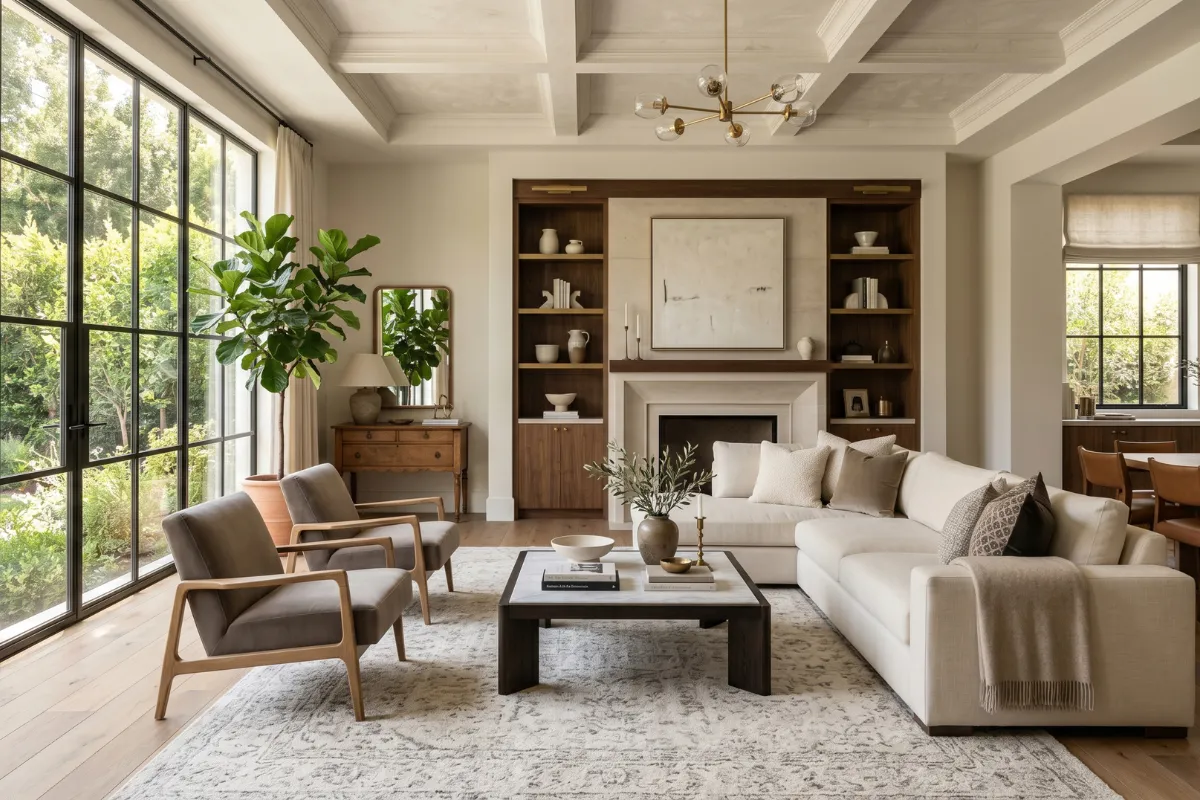
Choosing a decorating direction can feel overwhelming because hundreds of design trends compete for attention. This Interior Design Styles List helps homeowners understand the most popular decorating approaches used today. From modern and minimalist spaces to farmhouse, coastal, and traditional interiors, each style offers unique features, furniture choices, and color palettes. By exploring this Interior Design Styles List, you can discover the perfect design aesthetic that matches your lifestyle, personality, and home.
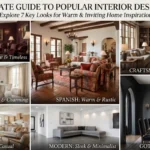
This comprehensive Interior Design Styles List explores the most influential styles used in homes today. You will learn the defining characteristics, common furniture choices, color palettes, materials, and decorating tips for each style. Whether you are renovating an entire house or updating a single room, this guide will help you identify the aesthetic that matches your lifestyle and personal taste. also explore our Interior Design Decorating Styles guide for additional inspiration.
An interior design style is a collection of design principles that guide the appearance and functionality of a space. Each style uses specific colors, furniture shapes, materials, textures, and decorative elements to create a distinctive look. For instance, minimalist spaces focus on simplicity and functionality, while traditional interiors emphasize elegance and classic details. As a result, a clearly defined decorating direction helps create visual harmony throughout a home and prevents design decisions from feeling random or disconnected.
Learning about various decorating aesthetics helps you make smarter design choices. Instead of purchasing furniture and accessories that clash, you can select pieces that work together and support a consistent vision.
A well-planned design approach also improves visual balance, enhances functionality, creates a cohesive atmosphere, simplifies furniture shopping, and increases long-term satisfaction. Most importantly, it allows your home to reflect your personality and daily lifestyle.
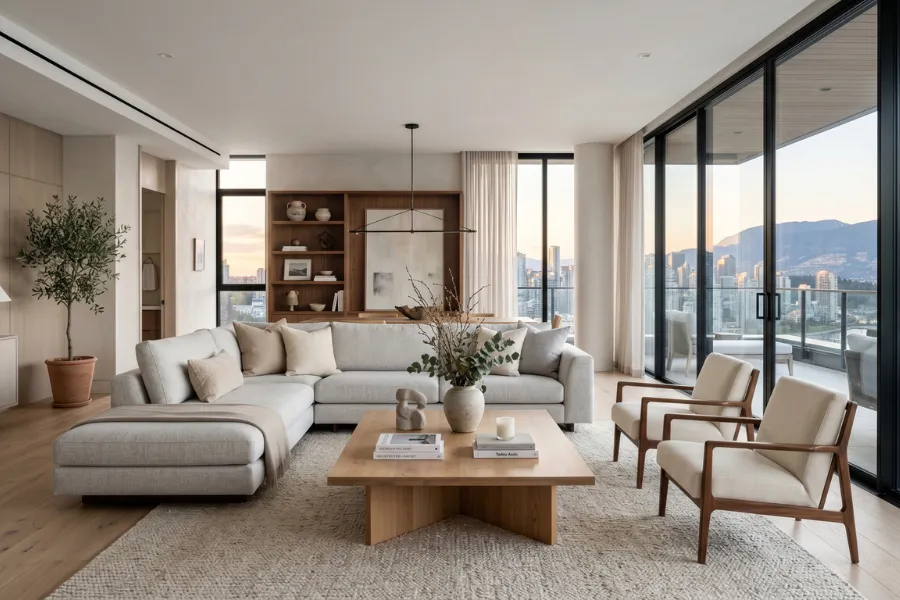
Modern design focuses on clean lines, simplicity, and functional living. Inspired by early twentieth-century design movements, modern interiors avoid excessive ornamentation and prioritize practical beauty. In addition, modern spaces help reduce visual clutter and improve daily functionality.
Key Features of Modern Design
Modern spaces often feature glass, steel, wood, and concrete. These materials work together to create a refined yet welcoming environment. This style suits people who appreciate simplicity, organization, and uncluttered living spaces. Proper lighting is equally important, so consider these Living Room Lighting Ideas.
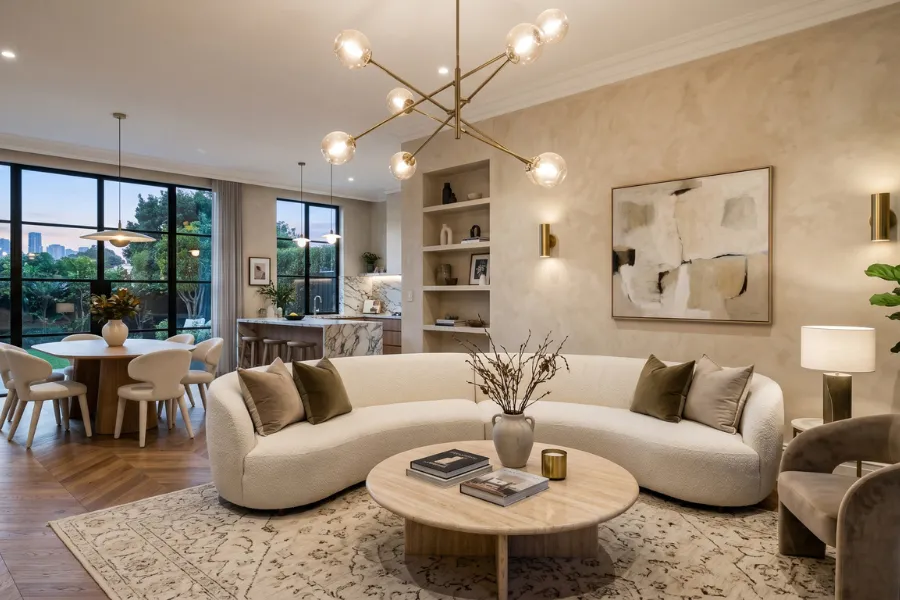
Contemporary design reflects current decorating trends. Unlike modern design, however, contemporary interiors evolve over time as preferences and innovations change. Furthermore, these spaces adapt easily to shifting design directions and new lifestyles.
Contemporary Design Characteristics
White, gray, black, beige, and muted accent colors typically dominate contemporary homes. This style is ideal for those who enjoy current trends without sacrificing sophistication.
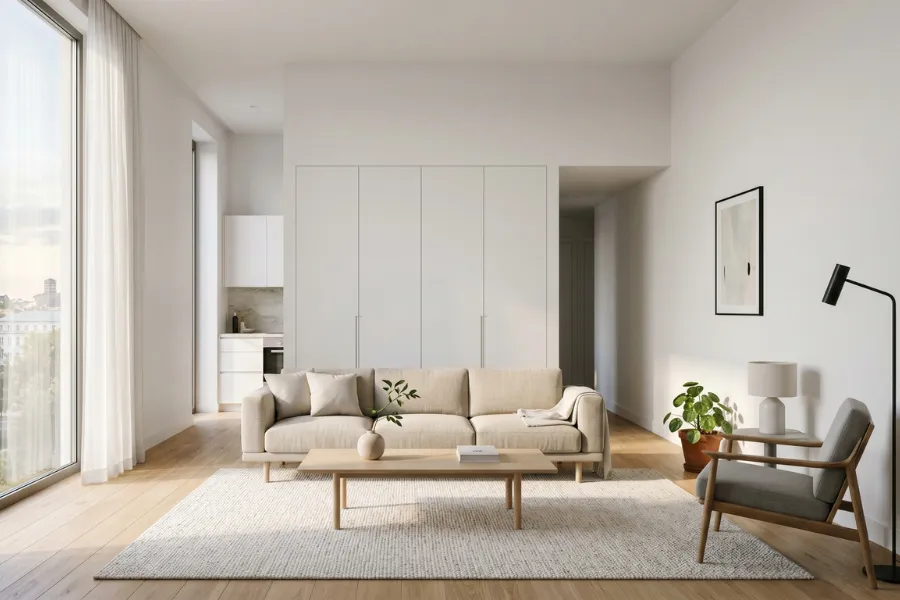
Minimalism embraces the idea that less is more. Every object serves a purpose, and unnecessary clutter disappears from the space entirely. Moreover, minimalist rooms often feel larger and more organized because they eliminate excess items.
Defining Elements
Decorating Tip: Focus on quality instead of quantity. A few carefully chosen pieces often create a stronger visual impact than a room filled with accessories.
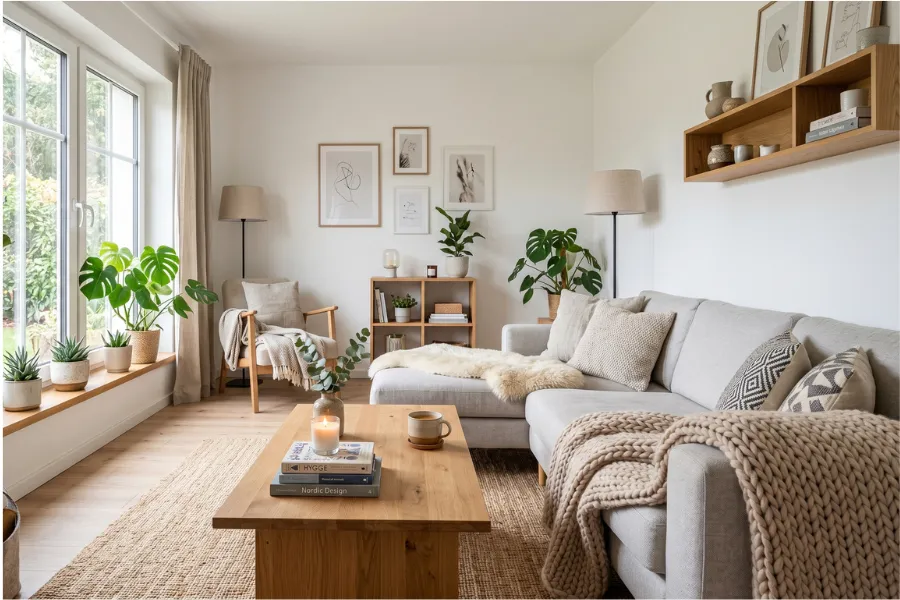
Scandinavian design combines functionality, simplicity, and comfort. Originating in Nordic countries, this style prioritizes natural light and cozy living. Additionally, Scandinavian spaces maximize warmth and practicality for everyday life.
Scandinavian Characteristics
White, cream, light gray, and soft earth tones dominate Scandinavian interiors. This style is perfect for anyone seeking warmth without visual heaviness.
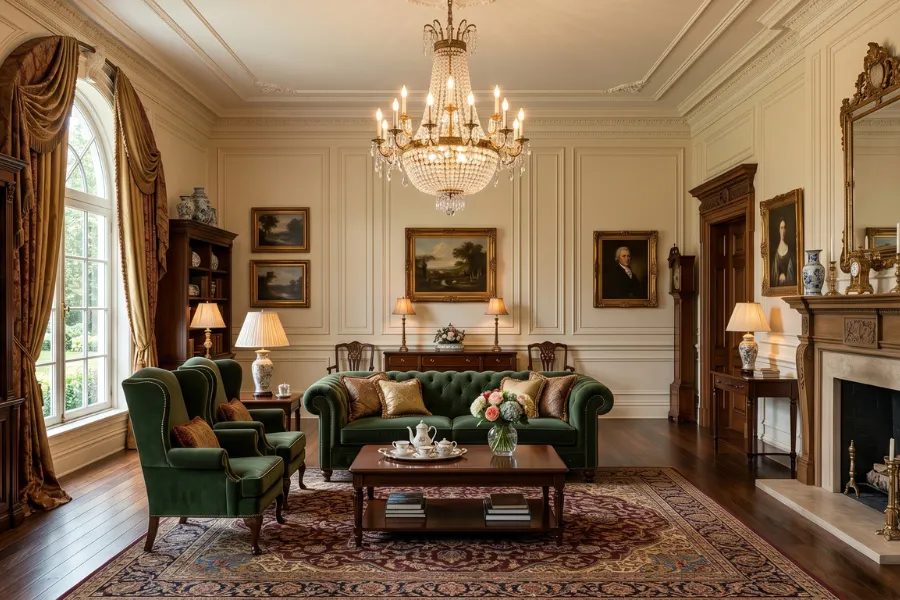
Traditional interiors draw inspiration from classic European decorating styles. These spaces feel timeless, elegant, and symmetrical. By contrast with modern design, traditional interiors emphasize decorative details, rich materials, and refined ornamentation.
Key Characteristics
Cream, burgundy, navy blue, gold, and warm neutrals are the most common color choices. As a result, these spaces suit people who appreciate classic beauty and enduring sophistication. Many homeowners also enjoy Traditional Style Interior Design ideas for timeless decorating inspiration.
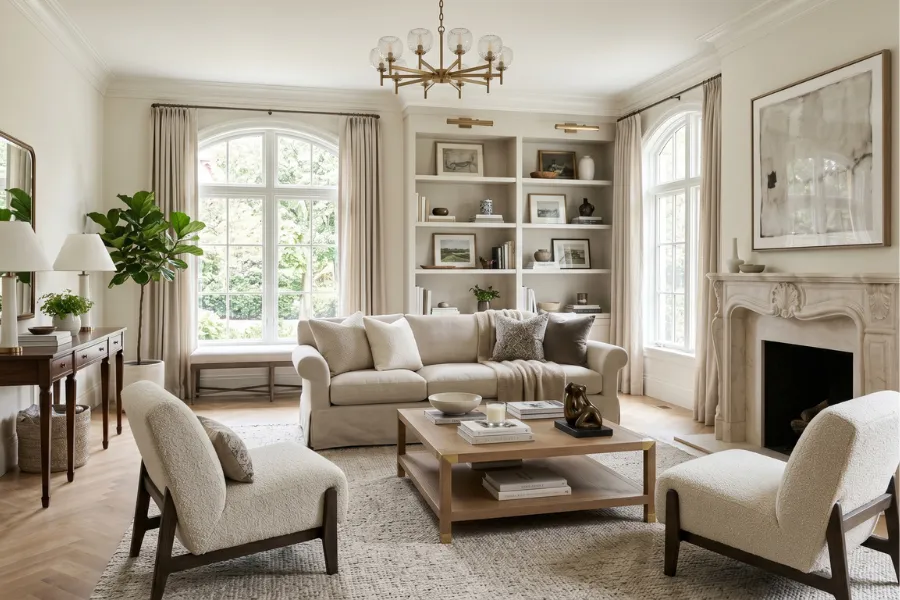
Transitional design blends traditional elegance with modern simplicity. Consequently, it creates a balanced look that feels both current and timeless.
Features of Transitional Interiors
Transitional spaces work especially well for families because they combine style and practicality. For this reason, it remains one of the most popular home decorating styles today.
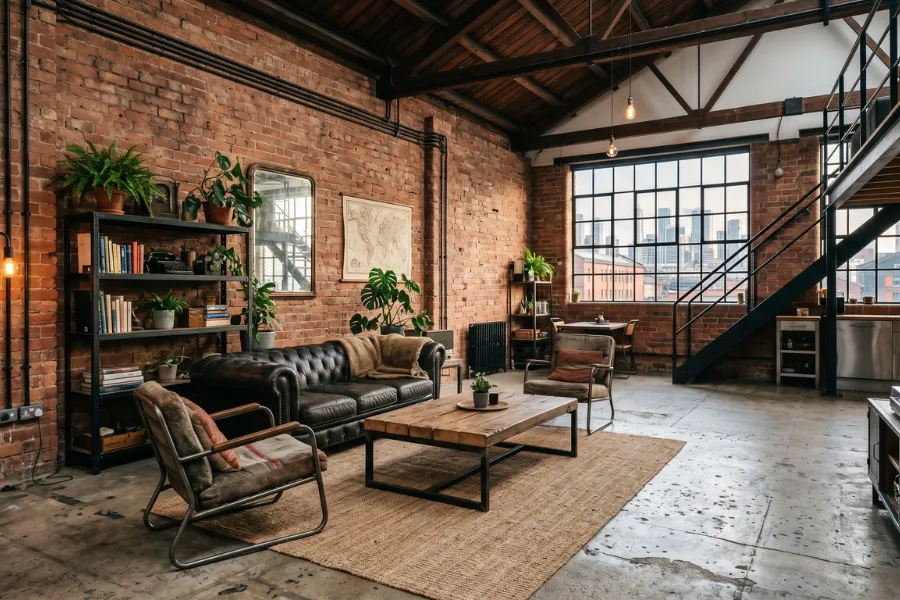
Industrial interiors take inspiration from warehouses, factories, and urban lofts. Rather than hiding structural elements, this style celebrates raw materials and open architectural features.
Key Features
For an authentic look, use vintage lighting, leather furniture, and industrial shelving. This style works best in urban apartments and loft-style homes.
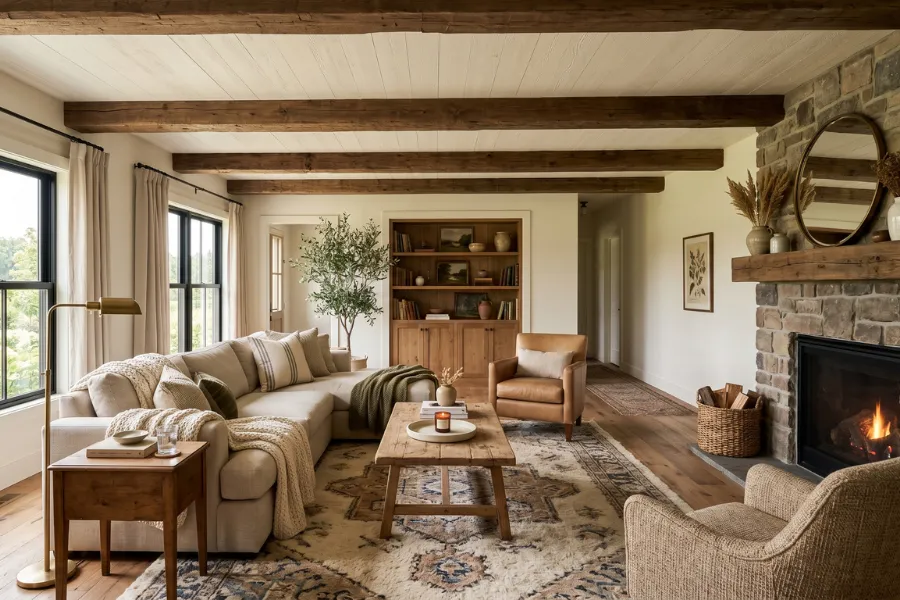
Farmhouse decorating focuses on comfort, warmth, and rustic charm. Unlike industrial design, farmhouse interiors create a warm and welcoming atmosphere suited to family life.
Farmhouse Essentials
Modern farmhouse spaces combine rustic elements with cleaner lines and updated finishes. Therefore, this approach bridges the gap between traditional warmth and contemporary simplicity.
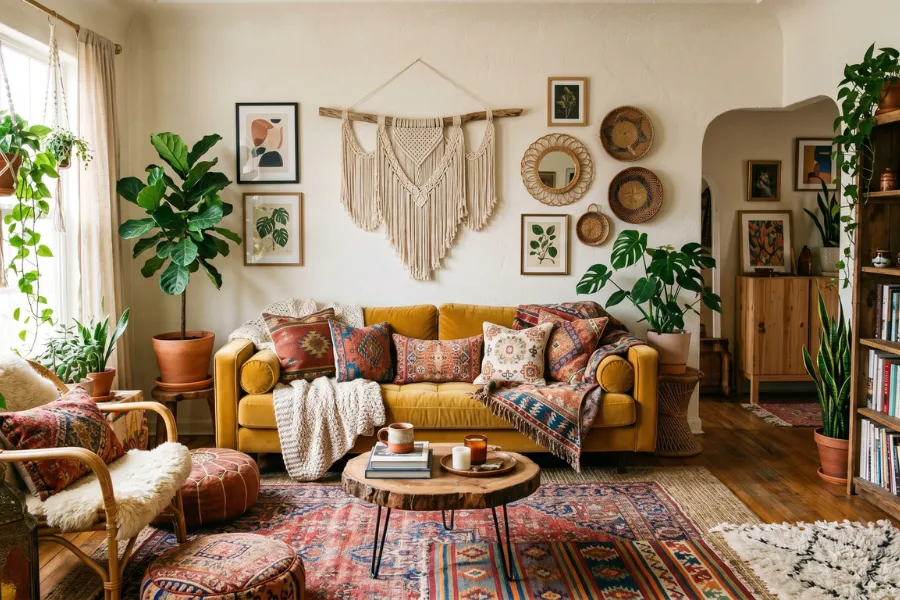
Bohemian design celebrates creativity, individuality, and artistic expression. Whereas minimalism strips away excess, bohemian interiors layer textures, colors, and global influences freely.
Bohemian Characteristics
Popular decor elements include macrame wall hangings, woven baskets, patterned rugs, and indoor plants. This style is perfect for creative individuals who enjoy relaxed and personalized interiors.
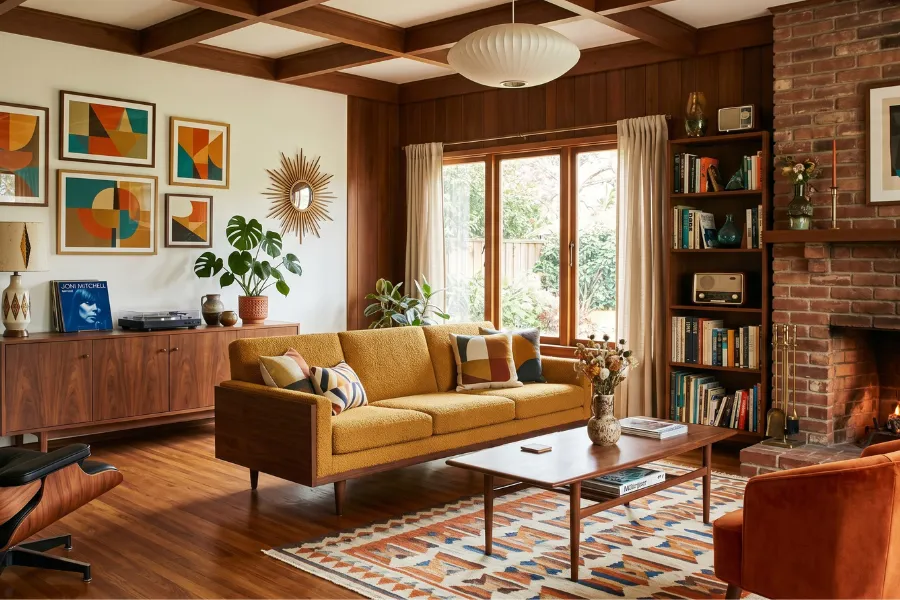
Mid-century modern design emerged during the 1940s through the 1960s and remains highly influential today. Its organic shapes and functional approach continue to appeal to homeowners across generations.
Key Features
Mustard yellow, olive green, orange, walnut brown, and white form the typical color palette. This style suits those who appreciate vintage-inspired modern design.
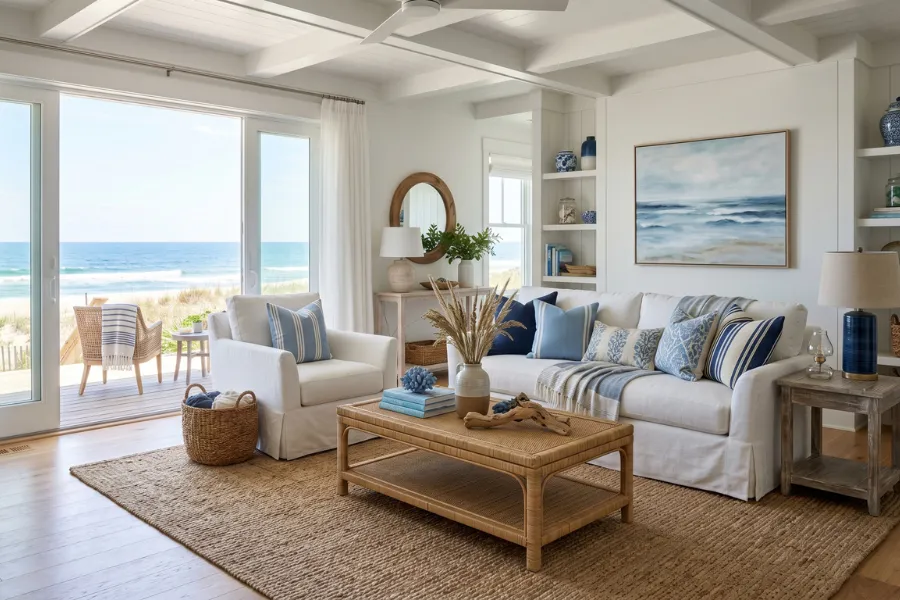
Coastal interiors create a light and airy atmosphere inspired by seaside living. The overall feel is relaxed, open, and deeply connected to the natural environment.
Coastal Decorating Features
Popular materials include rattan, wicker, driftwood, linen, and cotton. Together, these elements produce a breezy and inviting atmosphere throughout the home.
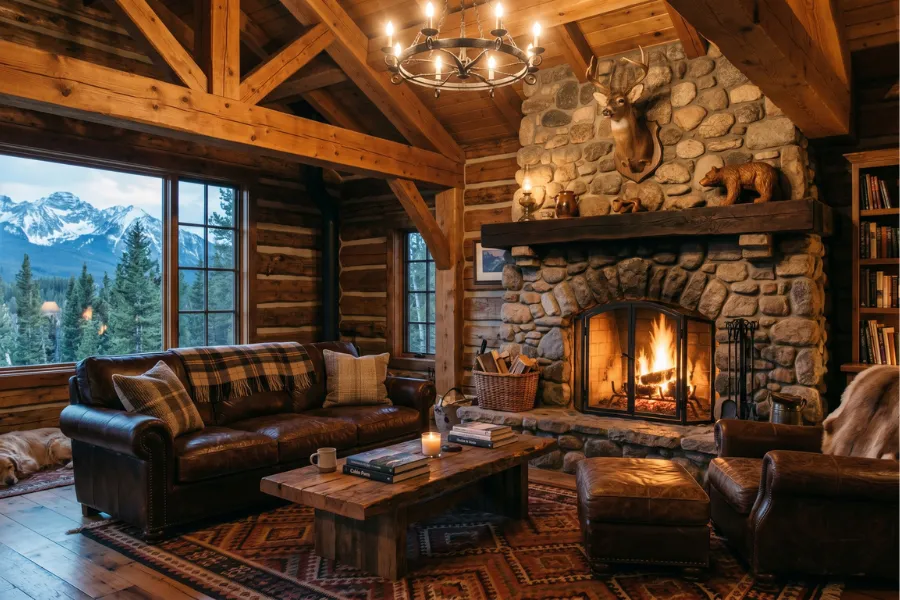
Rustic design highlights natural beauty and rugged textures. As a result, these spaces feel grounded, authentic, and deeply connected to the natural world.
Defining Features
This style is particularly well suited to mountain homes, cabins, and nature-inspired interiors.
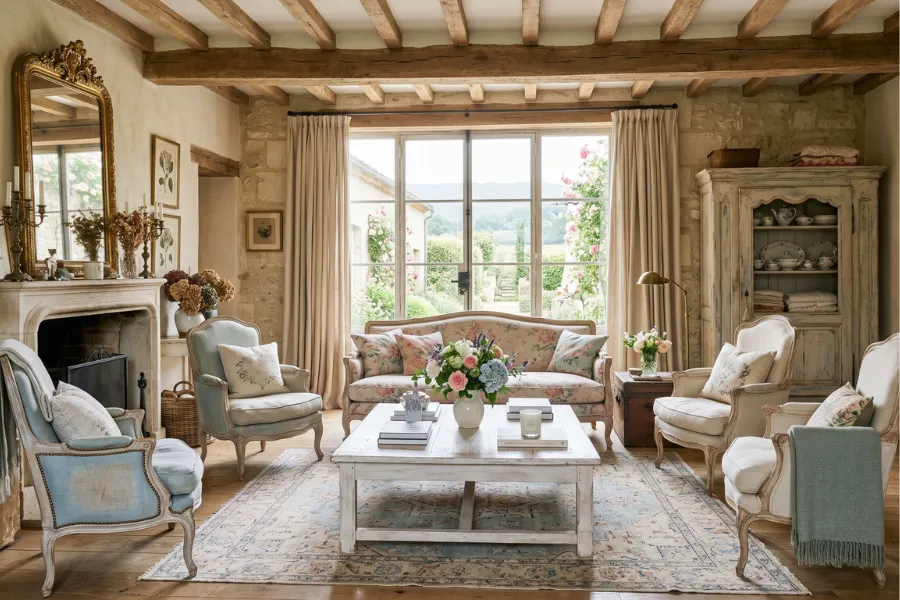
French country design blends elegance with comfort in a charming and approachable way. Furthermore, it draws from rural European traditions to create spaces that feel both refined and livable.
Key Characteristics
Cream, lavender, sage green, pale blue, and warm beige form the signature color palette of this popular decorating style.
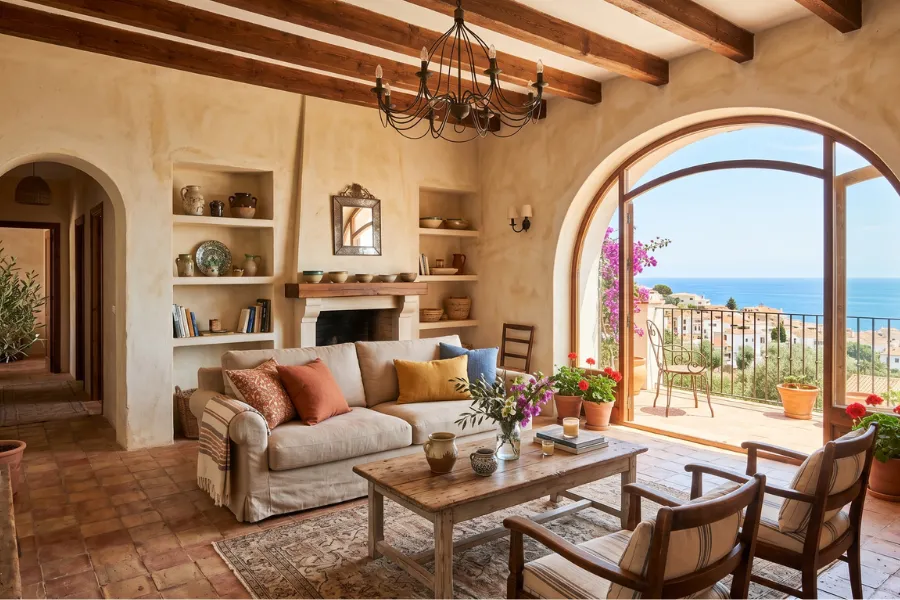
Mediterranean interiors draw inspiration from the coastal regions of Spain, Italy, and Greece. These spaces feel relaxed, inviting, and naturally elegant without feeling overly formal.
Signature Features
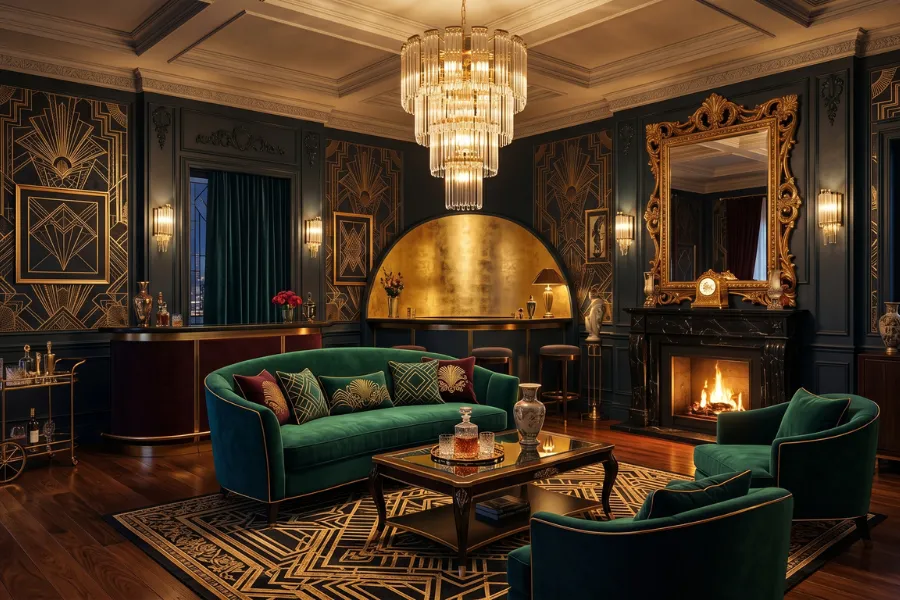
Art Deco emerged during the 1920s and celebrates luxury and glamour through bold geometric forms. In contrast to rustic or Scandinavian approaches, this style makes a dramatic visual statement in every room.
Defining Characteristics
This style is recommended for homeowners who appreciate sophisticated, statement-making interiors.
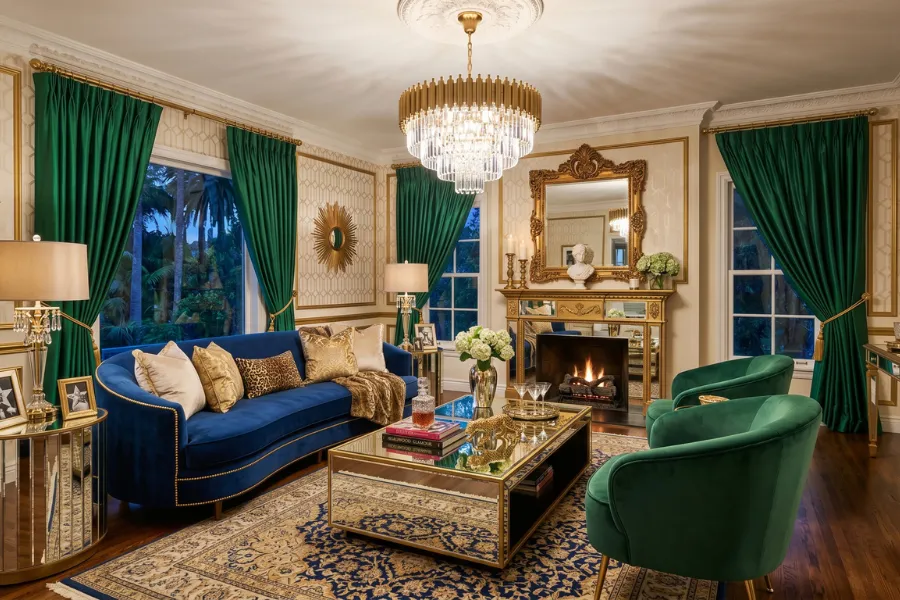
Hollywood Regency combines luxury, drama, and glamour into one visually striking decorating approach. Moreover, its bold contrasts and plush materials create spaces that feel theatrical and indulgent.
Key Elements
Black, white, gold, silver, and jewel tones are the most popular color choices for this decorating style.
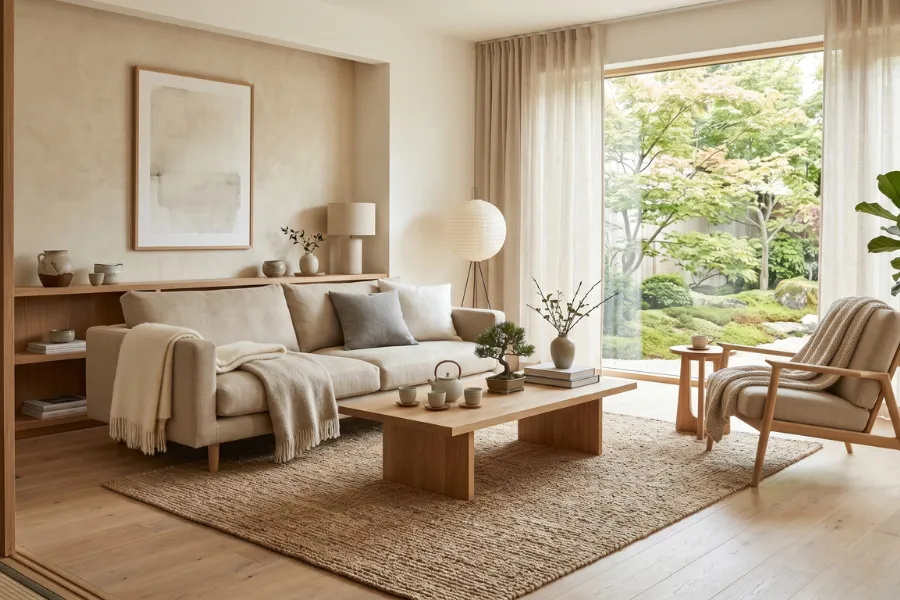
Japandi combines Japanese simplicity with Scandinavian comfort, resulting in spaces that feel balanced, peaceful, and highly functional. Consequently, homeowners who love both Zen living and Nordic warmth find this style especially appealing.
Japandi Decorating Features
Japandi creates peaceful spaces that feel warm rather than empty — a balance that is difficult to achieve but deeply satisfying.
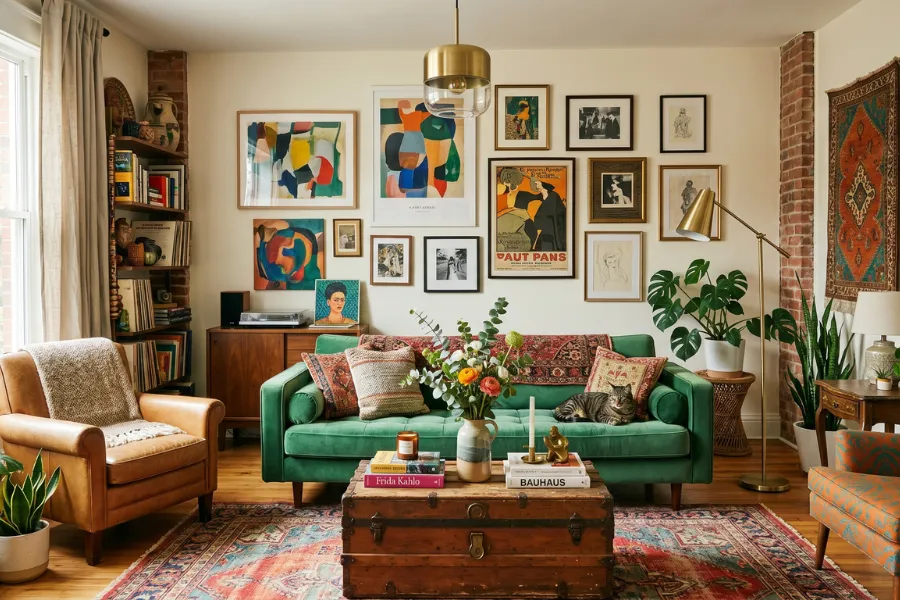
Eclectic design mixes elements from different decorating traditions in a purposeful and curated way. However, successful eclectic interiors require a unifying element — such as a color scheme or material — to prevent visual chaos.
Eclectic Decorating Principles
Common Mistake: Combining too many unrelated elements without a clear unifying theme undermines the overall effect.
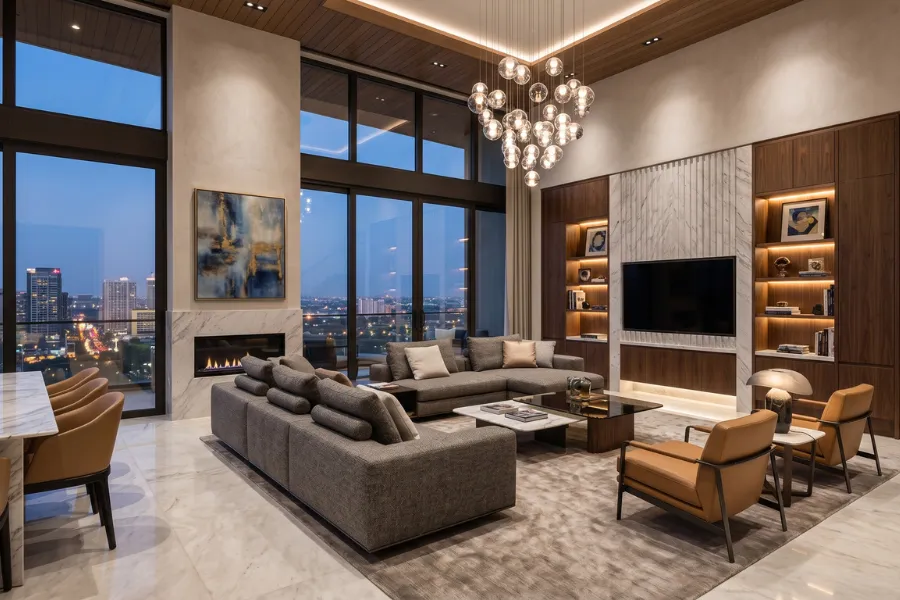
Luxury contemporary spaces combine modern simplicity with premium materials and high-end finishes. As a result, these interiors feel aspirational without feeling cold or unwelcoming.
Luxury Features
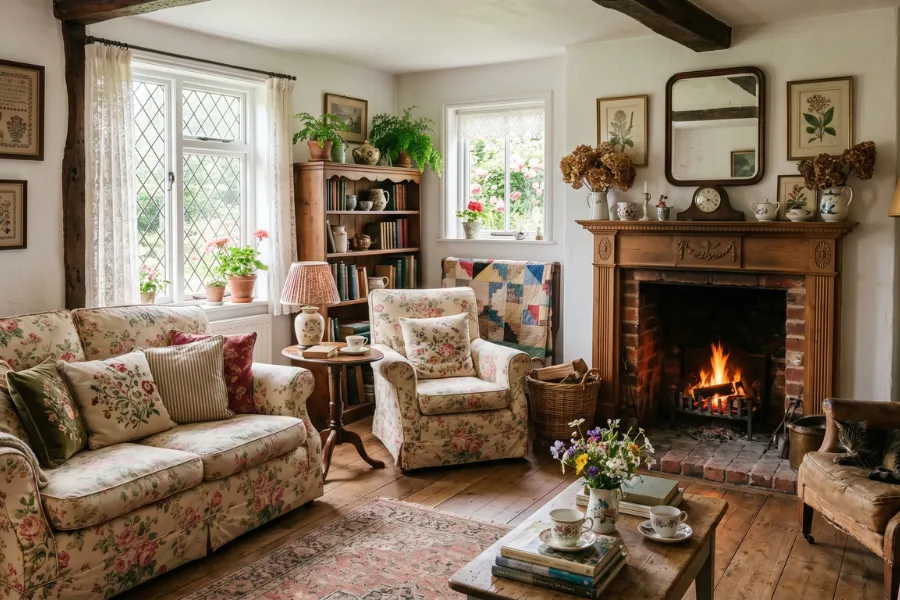
Cottage interiors emphasize comfort and charm through soft colors and cozy furnishings. In addition, vintage furniture and floral patterns contribute to a relaxed and welcoming atmosphere.
Characteristics
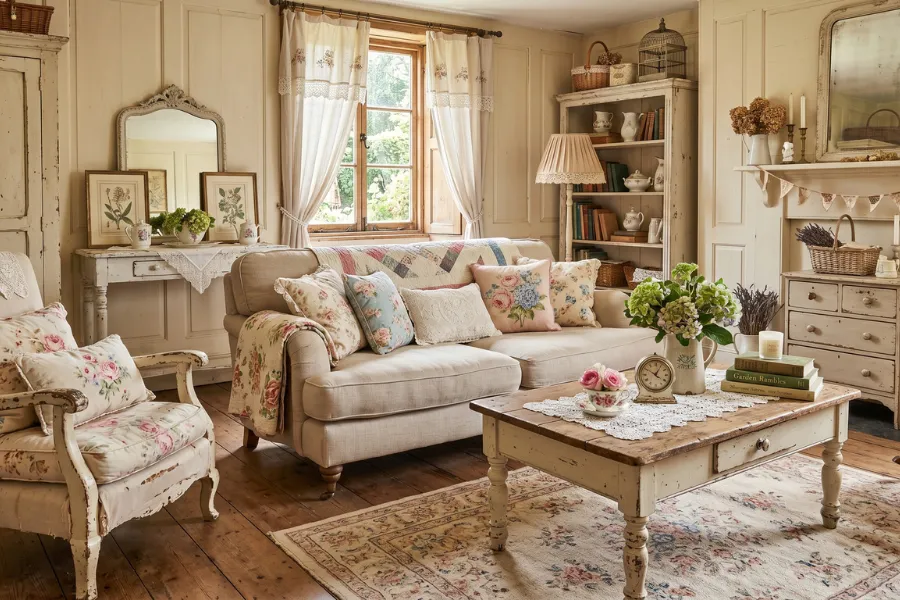
Shabby chic combines vintage elegance with gently worn finishes to create spaces that feel romantic and nostalgic. Furthermore, its soft pastel tones and antique accessories give every room a sense of history and character.
Key Elements
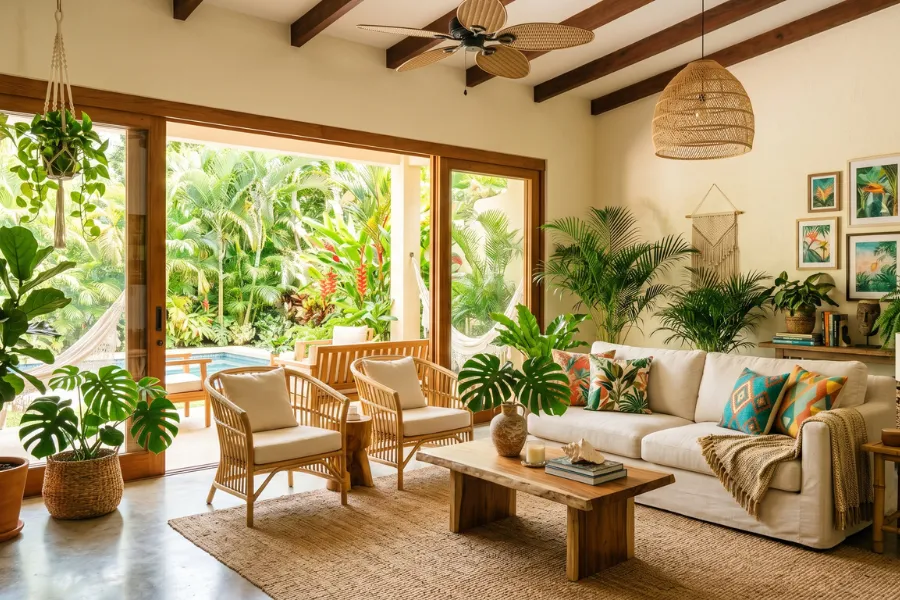
Tropical spaces bring the beauty of nature indoors through lush greenery, natural fibers, and vibrant colors. Moreover, lightweight fabrics and organic textures enhance the breezy, relaxed feel of this home decorating style.
Tropical Design Features
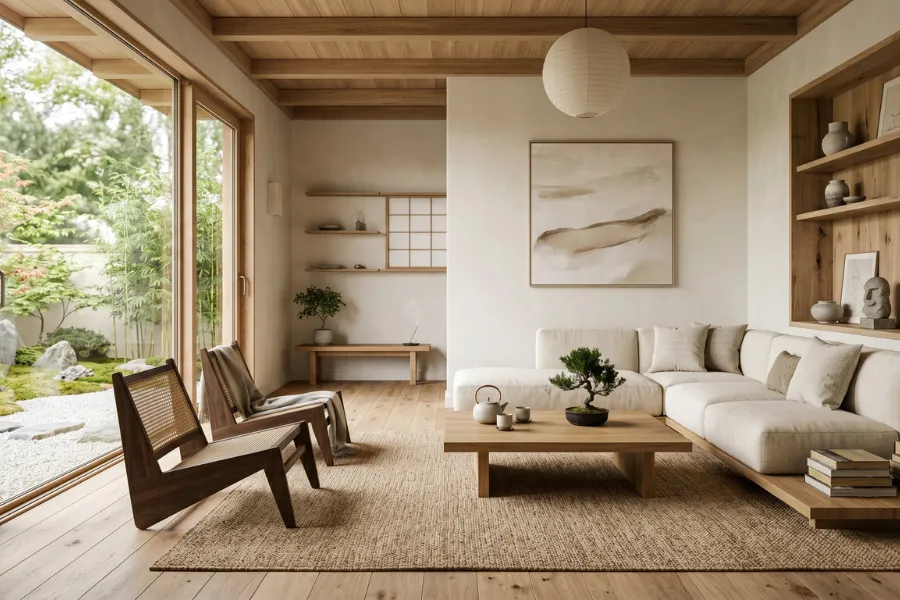
Zen-inspired interiors encourage relaxation and mindfulness through simplicity and natural materials. By removing excess decoration, these spaces allow the mind to rest and the senses to slow down.
Characteristics
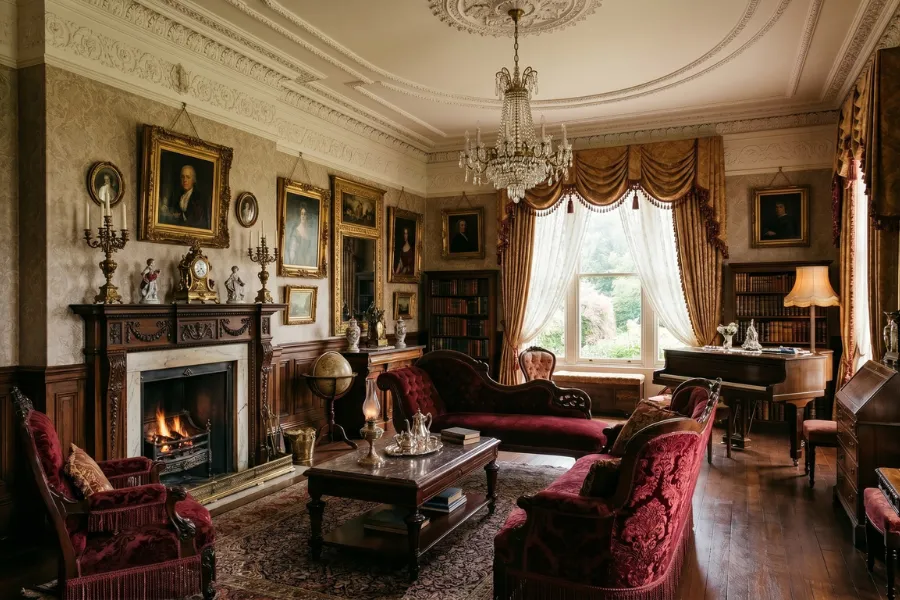
Victorian interiors celebrate intricate detailing and decorative richness drawn from nineteenth-century European tradition. However, modern interpretations often soften the heaviness with lighter color palettes.
Victorian Decorating Features
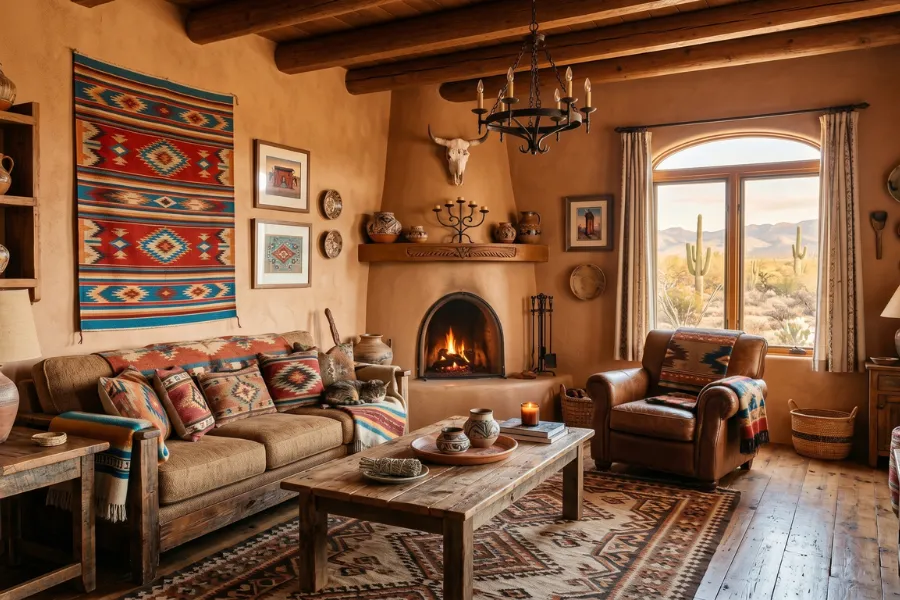
Southwestern design reflects desert landscapes and Native American influences through warm colors and handcrafted decor. Additionally, natural materials and patterned textiles give these spaces a sense of cultural depth.
Southwestern Features
Maximalism embraces abundance rather than restraint. In fact, maximalist interiors celebrate bold colors, layered patterns, and strong personal expression in every corner of the home.
Characteristics
This style is recommended for people who enjoy vibrant and expressive interiors.
Selecting the ideal approach requires thoughtful consideration of your lifestyle, existing furniture, and functional needs.
Consider Your Lifestyle: Families with children often prefer transitional, farmhouse, or contemporary interiors because these styles balance beauty and practicality effectively.
Evaluate Existing Furniture: Instead of replacing everything, identify styles that complement pieces you already own. This approach saves money and reduces waste.
Create a Mood Board: Collect images that inspire you. Over time, clear patterns will emerge that reveal your preferred aesthetic naturally.
Focus on Functionality: A beautiful room should also support your daily activities. Otherwise, even the most visually appealing space will feel frustrating to live in.
Following Trends Blindly: Trends come and go. Therefore, choose elements that match your long-term preferences rather than fleeting fashions.
Mixing Too Many Styles: Combining several aesthetics without a clear plan often creates visual confusion. Instead, select one primary style and introduce secondary influences carefully.
Ignoring Scale and Proportion: Furniture should fit the room size and maintain visual balance. Oversized pieces overwhelm small rooms, while undersized pieces make large rooms feel empty.
Prioritizing Appearance Over Comfort: The most successful interiors look attractive while remaining comfortable and functional for everyday life.
For additional design inspiration, explore resources from Architectural Digest and Houzz.
What is the most popular interior design style today?
Contemporary, transitional, modern farmhouse, and Scandinavian styles remain among the most popular choices in homes today.
Which style works best in small spaces?
Minimalist, Scandinavian, and Japandi interiors often make smaller rooms feel larger and more organized.
Can I combine multiple decorating styles?
Yes. Transitional and eclectic approaches successfully blend different influences when done thoughtfully.
What is the difference between modern and contemporary design?
Modern design refers to a specific historical movement, while contemporary design reflects current trends that continue to evolve.
Which decorating style is easiest to maintain?
Minimalist and Scandinavian interiors are generally easier to maintain because they contain fewer decorative items overall.
This Interior Design Styles List highlights the most influential decorating styles used in homes today. From the clean simplicity of minimalist interiors to the luxurious appeal of Art Deco and Hollywood Regency spaces, each style offers unique advantages and design opportunities. Therefore, choosing the right approach from this interior design styles list depends on your lifestyle, preferences, and daily needs.
The best decorating choice is the one that supports how you live, reflects your personality, and creates a comfortable environment for years to come. By understanding the characteristics of different home decorating aesthetics, you can confidently design spaces that feel both beautiful and functional.