Physical Address
304 North Cardinal St.
Dorchester Center, MA 02124
Physical Address
304 North Cardinal St.
Dorchester Center, MA 02124

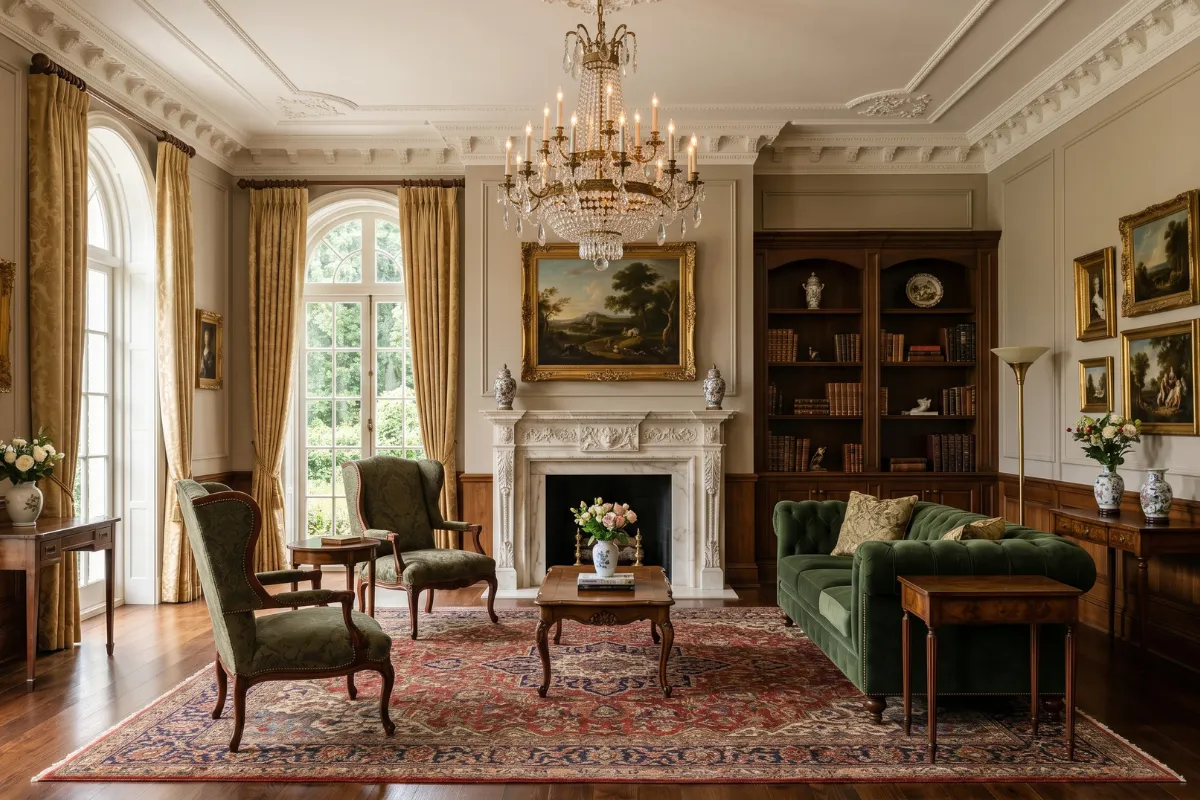
Traditional Style Interior Design remains one of the most admired decorating approaches for homeowners who value comfort, elegance, and timeless beauty. Inspired by classic European interiors, this design style focuses on symmetry, rich materials, detailed craftsmanship, and a welcoming atmosphere.
Unlike fast-changing trends, traditional interiors create a sense of permanence. They combine refined furnishings, warm colors, and carefully selected decorative elements that never feel outdated. Whether you are decorating a new home or refreshing an existing space, this classic approach offers endless possibilities.
In this guide, you will discover 15 inspiring ideas that can help you create a sophisticated and inviting home while maintaining functionality and comfort.
Traditional interiors draw inspiration from 18th and 19th-century European decor. The style emphasizes balance, order, and elegance. Every room feels coordinated because furniture, colors, textures, and accessories work together harmoniously.
Common features include:
This decorating approach focuses on quality rather than trends. As a result, many traditional homes remain stylish for decades.
Many homeowners choose traditional decor because it creates a comfortable and familiar environment. The style feels refined without appearing cold or overly formal.
Key benefits include:
These qualities make traditional decorating a popular choice for families and homeowners who appreciate classic beauty.
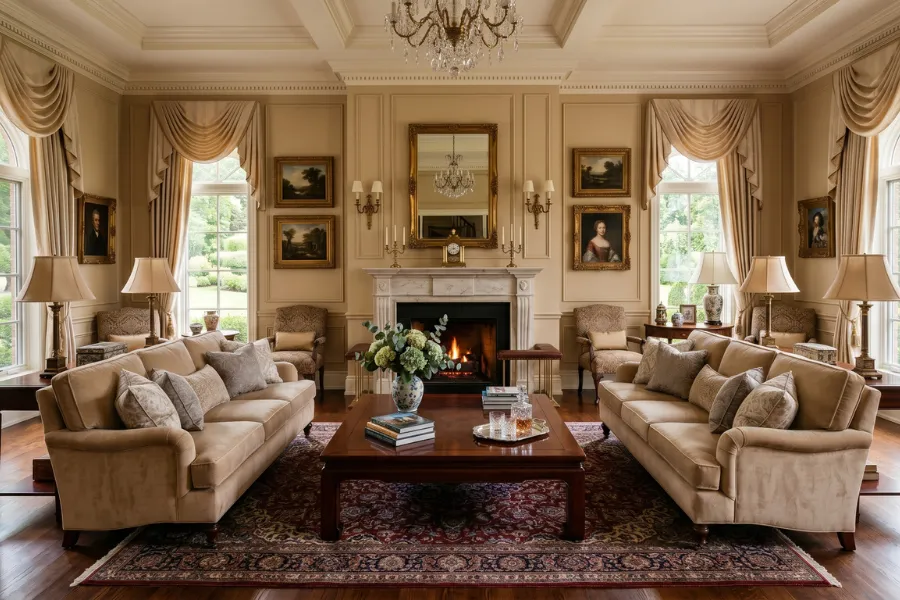
Symmetry forms the foundation of classic decorating. Arrange sofas, chairs, lamps, and side tables in balanced pairs whenever possible. Matching furniture pieces create visual harmony and make rooms feel organized. For example, place identical armchairs on both sides of a fireplace or position matching table lamps on a console table.
Balanced arrangements create a calm environment and highlight architectural features naturally.
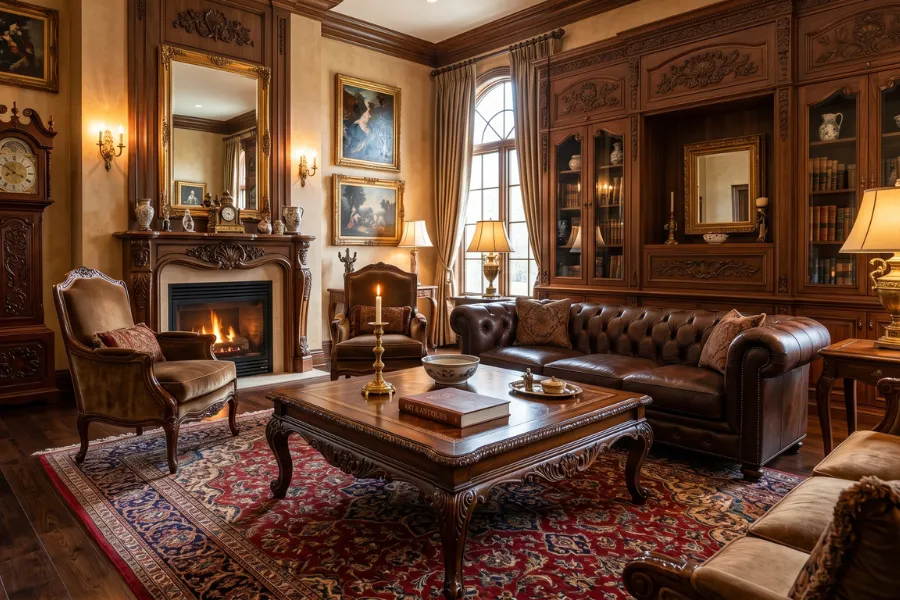
Traditional homes often feature furniture made from high-quality hardwoods. Mahogany, cherry, walnut, and oak remain popular choices. These materials bring warmth and character to living rooms, dining areas, and bedrooms. Look for furniture with detailed craftsmanship, curved lines, and elegant finishes.
Well-crafted wood furniture can last for generations.
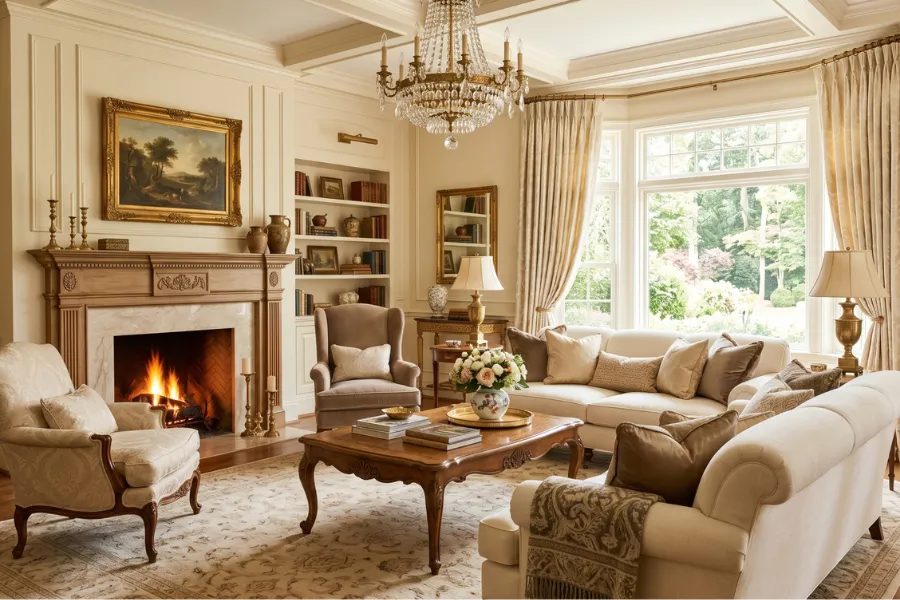
Color plays a major role in creating a welcoming atmosphere.
Traditional spaces typically feature:
These shades provide a sophisticated backdrop for furnishings and decorative accents.
Layer multiple neutral tones to add depth without overwhelming the room.
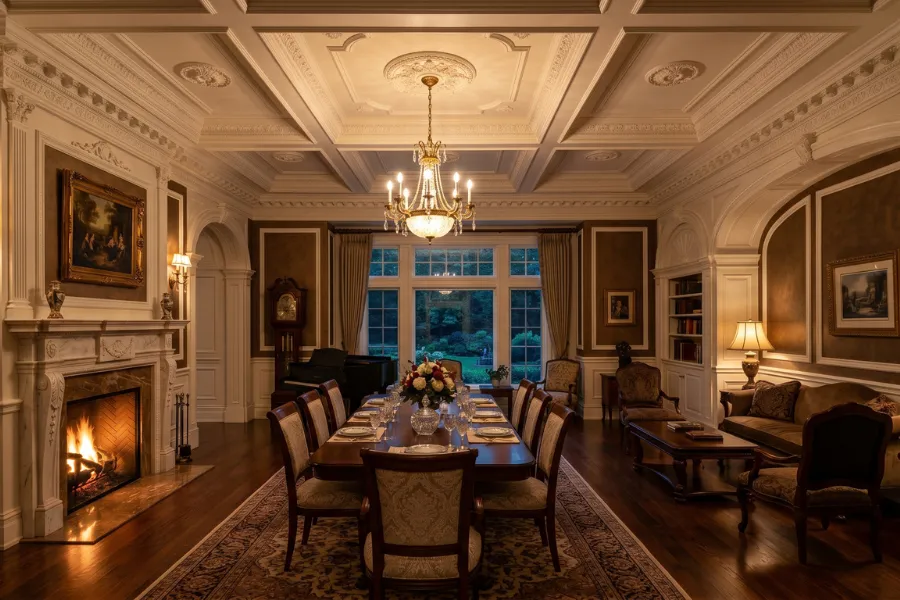
Architectural details instantly enhance a traditional interior. Crown molding, chair rails, wall panels, and decorative trim create a polished appearance while adding character to plain walls. Even simple molding can elevate a room significantly.
Adds elegance where walls meet ceilings.
Creates texture and visual interest.
Provide depth and architectural charm.
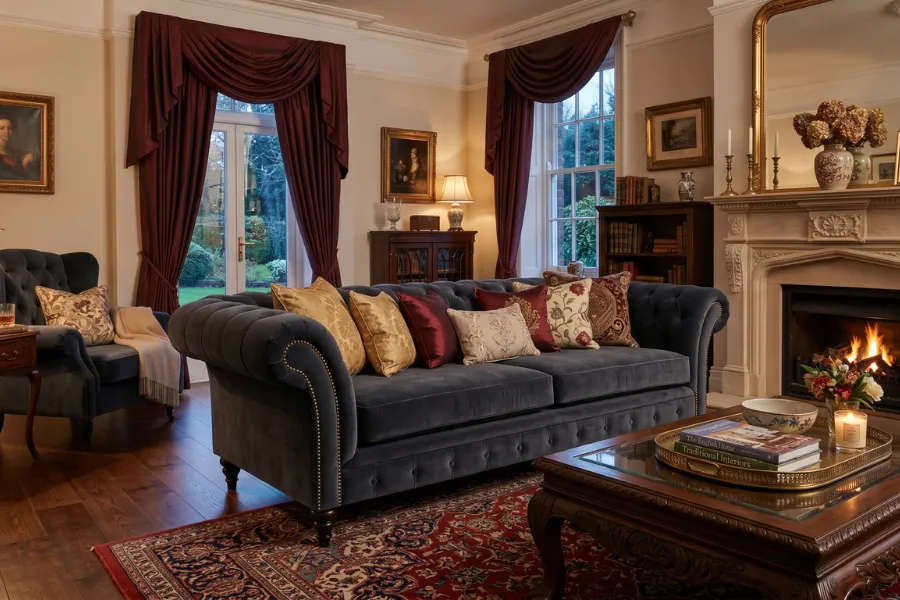
Traditional furniture often features luxurious fabrics that enhance comfort and sophistication.
Popular choices include:
Choose upholstered furniture with rolled arms, tufted backs, or decorative nailhead trim. These details contribute to the classic appearance associated with timeless interiors.
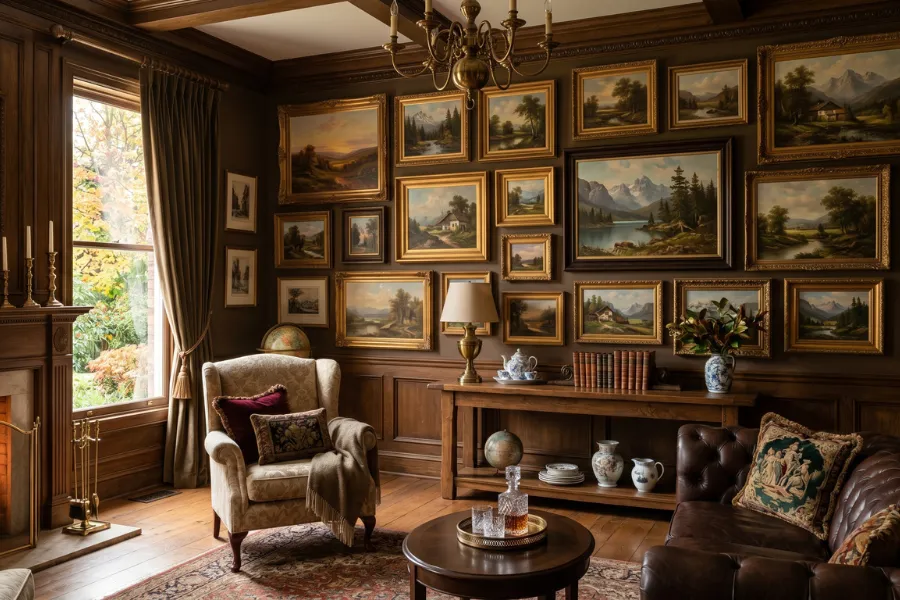
Artwork helps personalize a room while reinforcing its style.
Traditional homes commonly feature:
Select pieces that complement your color palette and maintain a cohesive look.
Arrange artwork symmetrically for a more balanced presentation.
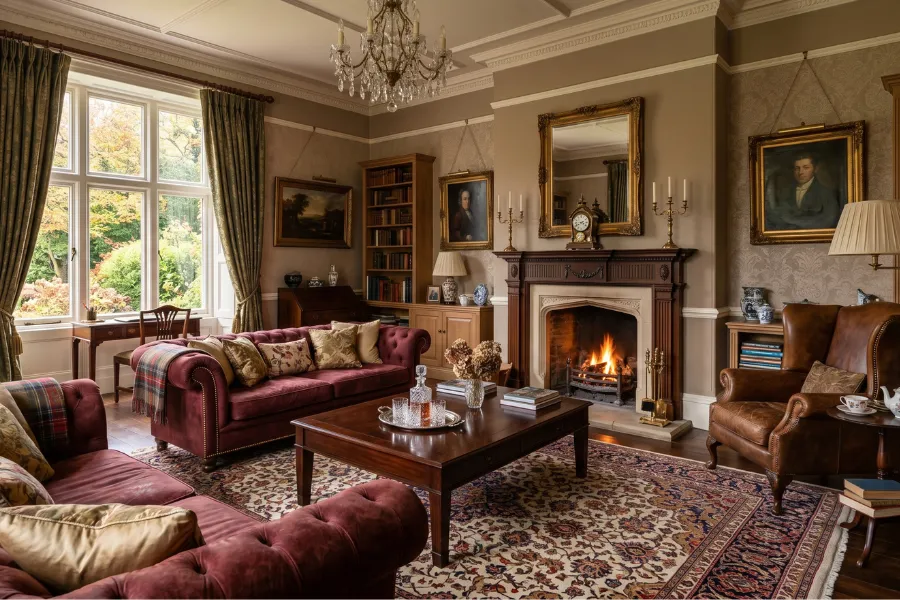
Area rugs help define spaces and introduce texture. Persian rugs and Oriental rugs remain iconic choices for traditional homes. Their intricate patterns and rich colors complement classic furnishings beautifully. A well-placed rug can also make large rooms feel more intimate.
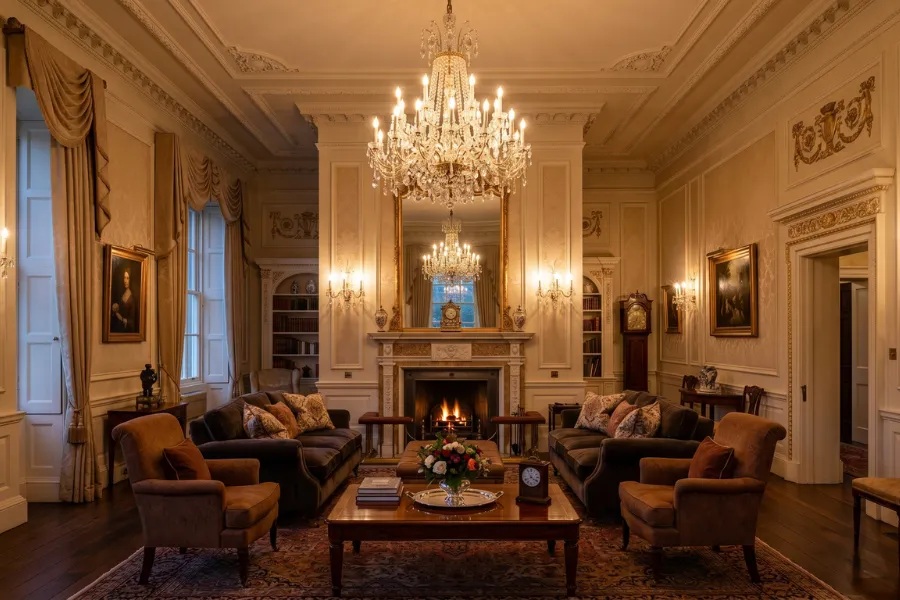
Lighting serves both practical and decorative purposes.
Traditional interiors often include:
Layering multiple light sources improves functionality while enhancing ambiance.
Combine ambient, task, and accent lighting to create a comfortable environment throughout the day.
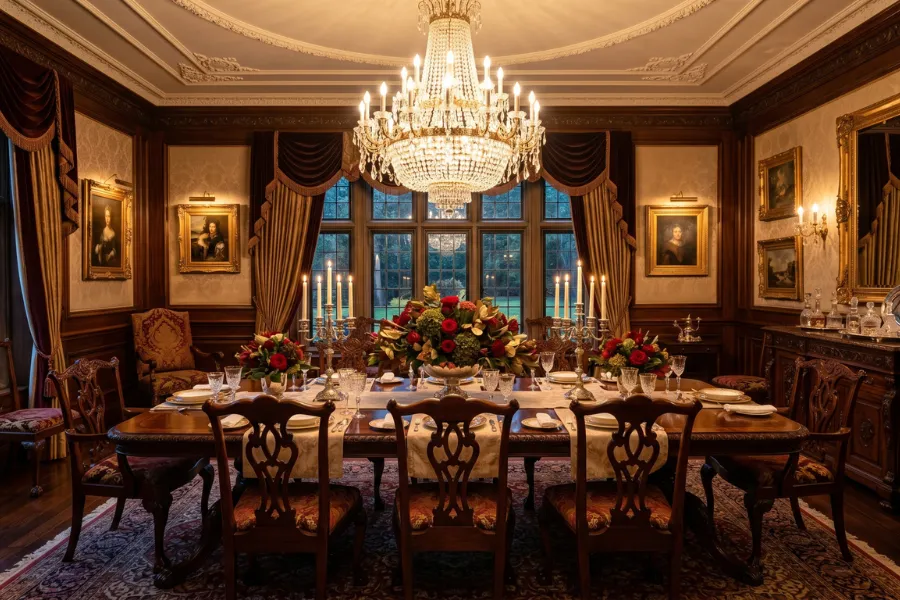
A formal dining room remains a hallmark of traditional decorating.
Focus on creating an elegant gathering space with:
This setup encourages entertaining and family gatherings.
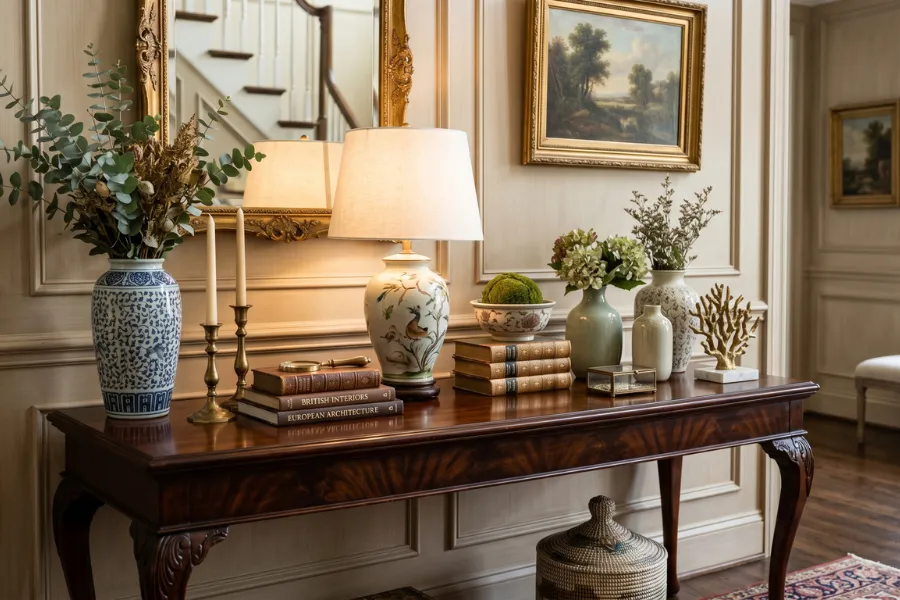
Accessories should enhance a room without creating clutter.
Traditional spaces often feature:
Group items in odd numbers and vary heights for a curated appearance.
Quality matters more than quantity.
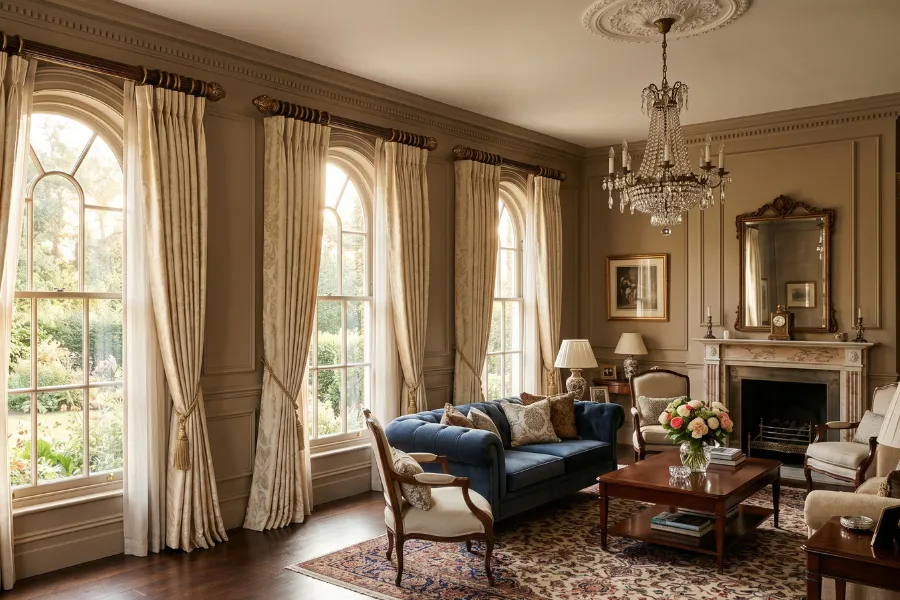
Window treatments significantly influence a room’s overall appearance.
Classic options include:
Choose fabrics that complement existing furniture and wall colors. Heavy drapery can also improve insulation and privacy.
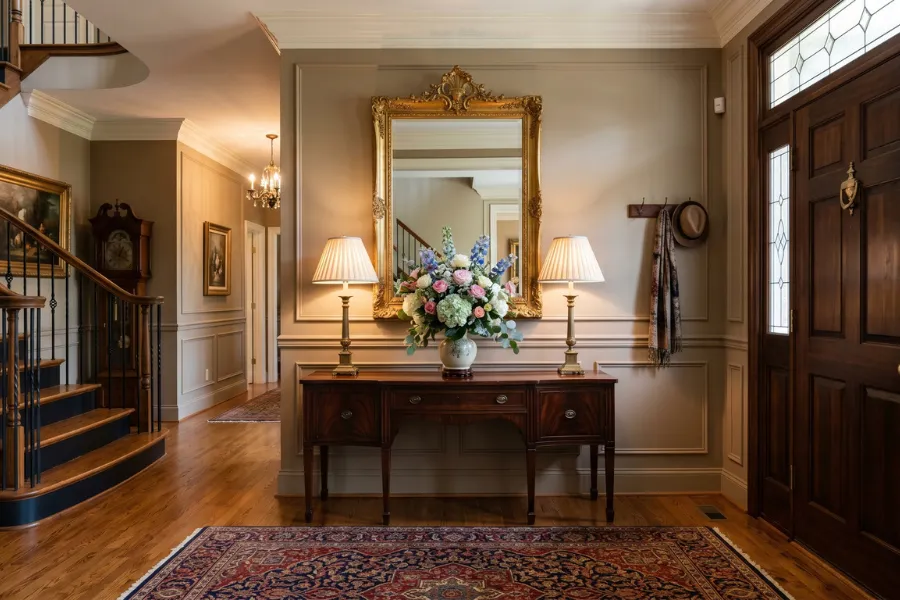
First impressions matter.
Traditional entryways often include:
These elements establish a warm and inviting tone from the moment guests arrive.
Use symmetry whenever possible to maintain visual balance.
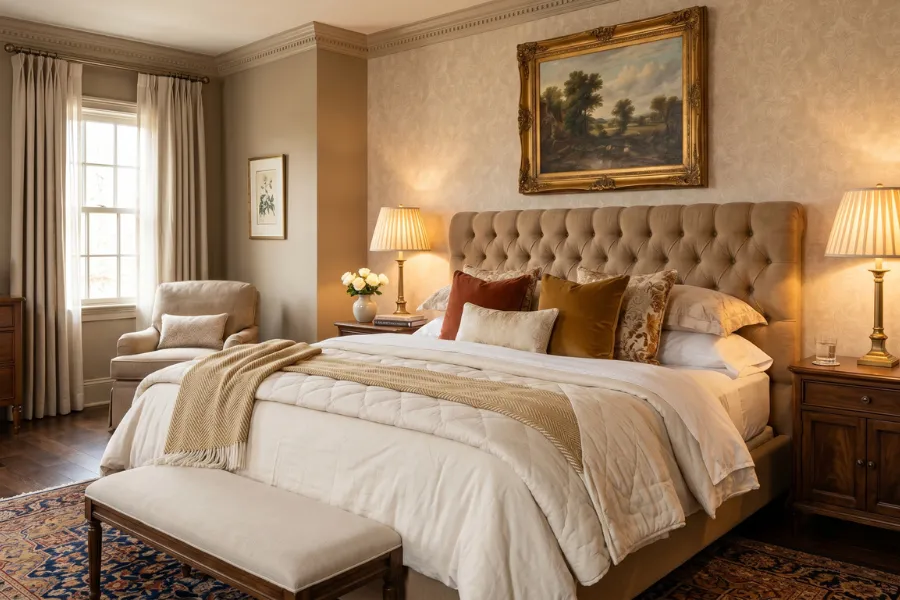
Bedrooms should feel peaceful and comfortable.
Focus on:
Neutral colors and soft textures contribute to a relaxing atmosphere.
Invest in quality sheets and pillows.
Use bedside lamps with soft illumination.
Maintain consistency throughout the room.
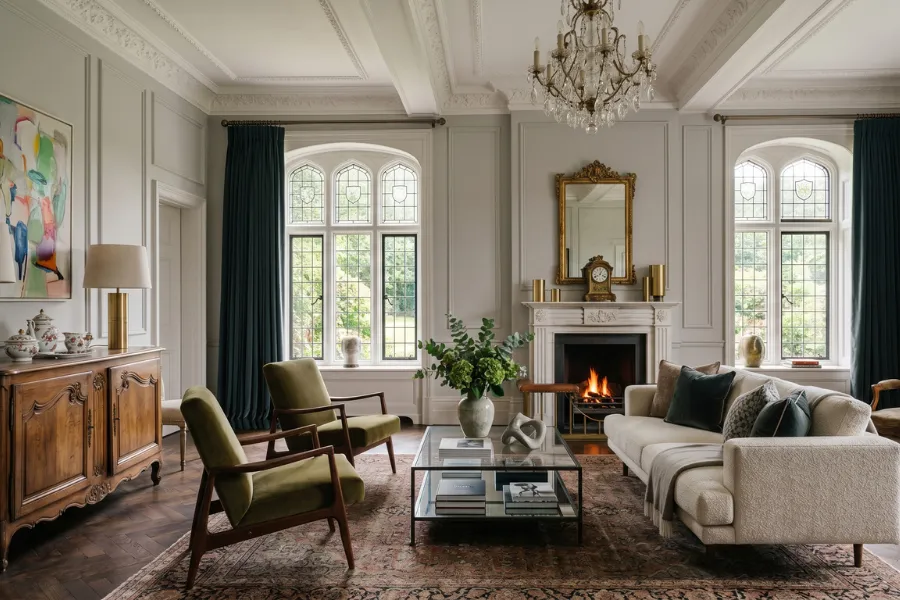
Traditional decorating does not require everything to be antique. Many successful interiors combine vintage pieces with modern conveniences.
For example:
This approach keeps spaces functional while preserving classic charm.
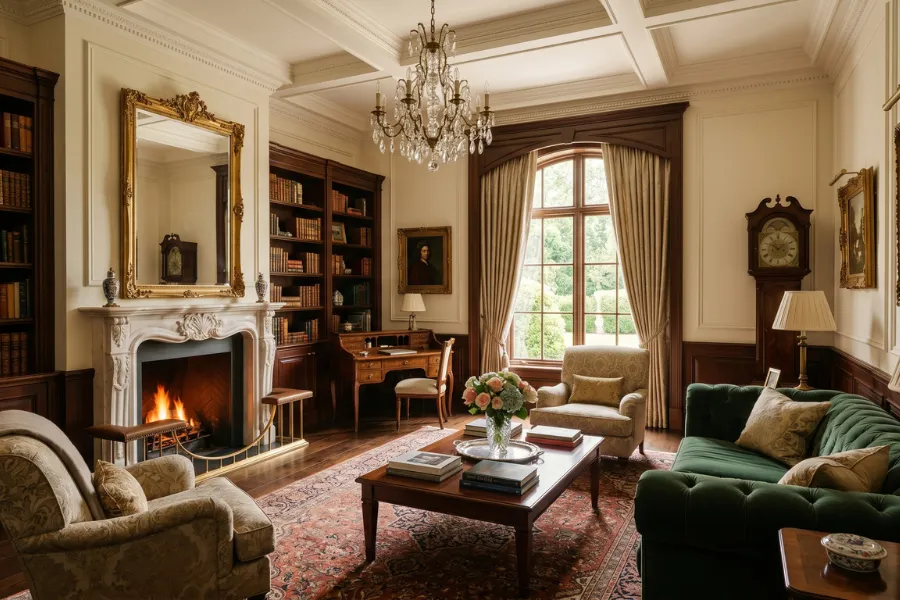
One of the defining characteristics of traditional interiors is longevity.
Instead of following short-term decorating trends, prioritize:
These investments help create a home that remains beautiful year after year.
Even elegant styles can lose their appeal if not executed carefully. Avoid these common mistakes:
Too much furniture can make spaces feel cramped.
Large furniture may overwhelm small rooms.
Decorative details should enhance, not dominate.
Insufficient lighting can make rooms appear dull and uninviting. Maintaining balance is essential for achieving a polished result.
Many homeowners enjoy blending classic design with contemporary elements.
Consider adding:
This combination creates a fresh look while preserving traditional elegance.
Traditional interiors continue to remain relevant because they emphasize comfort, beauty, and quality. Rather than chasing trends, this decorating approach celebrates craftsmanship and thoughtful design choices. The result is a home that feels welcoming, refined, and timeless. Whether decorating a single room or an entire house, classic design principles can help create spaces that remain beautiful for years to come.
Traditional Style Interior Design offers a perfect balance of sophistication and comfort. Through symmetrical layouts, rich wood furnishings, elegant textiles, classic artwork, and timeless architectural details, homeowners can create spaces that never feel outdated. By applying these 15 ideas thoughtfully, you can design a home that reflects warmth, character, and enduring style. The beauty of traditional decorating lies in its ability to combine functionality with elegance, creating interiors that continue to inspire generation after generation.
This decorating style emphasizes symmetry, classic furniture, rich materials, elegant details, and a warm color palette inspired by historic European interiors.
Cream, beige, taupe, soft gray, muted green, burgundy, and warm gold tones are commonly used because they create a timeless appearance.
Yes. Using appropriately scaled furniture, light colors, and balanced layouts helps traditional decorating succeed in smaller spaces.
Costs vary. While quality furniture may require a larger investment, many traditional elements can be introduced gradually over time.
Absolutely. Mixing classic furnishings with contemporary accents creates a transitional look that feels both timeless and current.