Physical Address
304 North Cardinal St.
Dorchester Center, MA 02124
Physical Address
304 North Cardinal St.
Dorchester Center, MA 02124

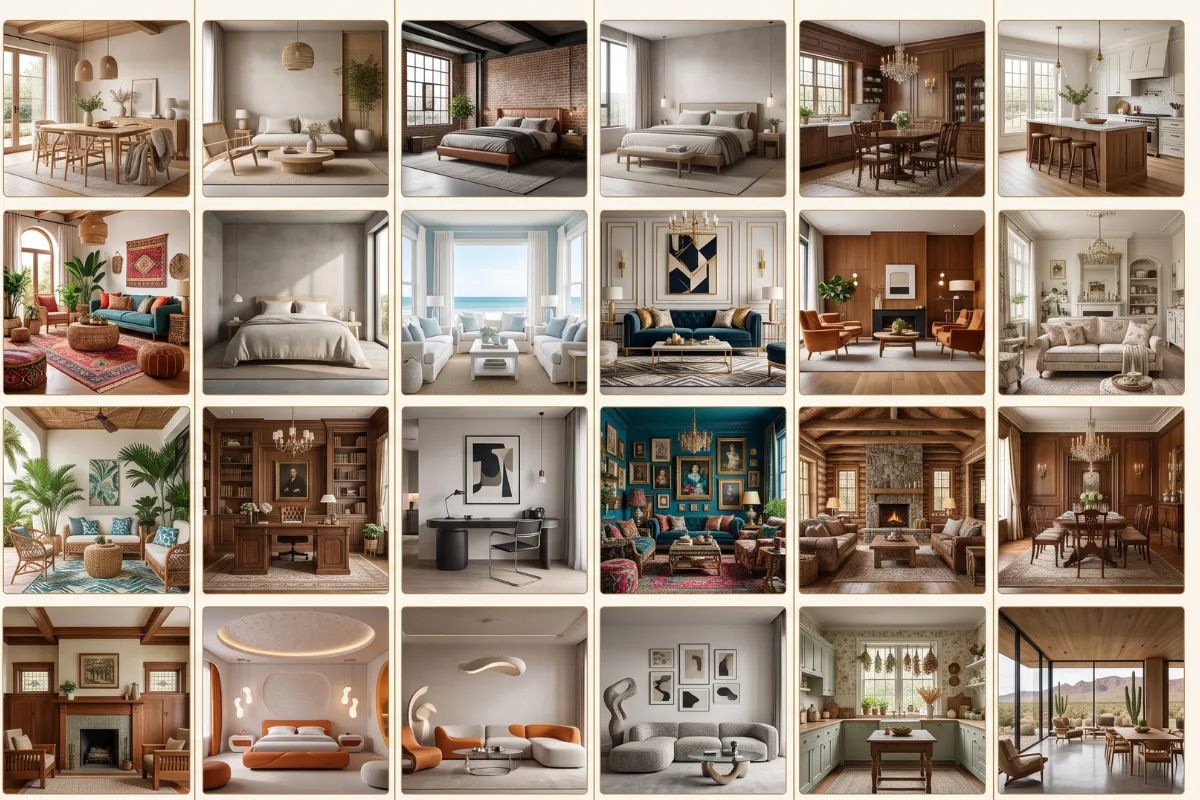
Choosing the right Design Styles Interior approach can completely change how your home feels, functions, and welcomes you every day. Whether you dream of a cozy cottage vibe, a sleek modern loft, or a vibrant bohemian escape, understanding the many home interior design options available helps you create a space that truly reflects your personality. In this guide, we cover 30 interior decor styles that cover every corner of your home, from the living room to the bedroom, kitchen, and beyond.
Furthermore, we explain how each interior style works with color palettes, furniture choices, textures, and lighting so you can confidently transform your space. Additionally, we share practical tips on budgeting, room-by-room application, and common mistakes to avoid. Let’s dive into the world of home interior design and discover which look speaks to you.
Before renovating or decorating, homeowners often struggle to define their taste. As a result, rooms end up feeling mismatched or incomplete. However, once you learn the fundamentals of various home interior design approaches, you can mix elements confidently and avoid costly design mistakes. Additionally, knowing these interior styles helps you communicate more clearly with architects, decorators, and contractors. Consequently, your home renovation journey becomes smoother, faster, and far more enjoyable. Moreover, having a clear style direction saves money, since you avoid purchasing furniture or decor pieces that don’t match your overall vision.
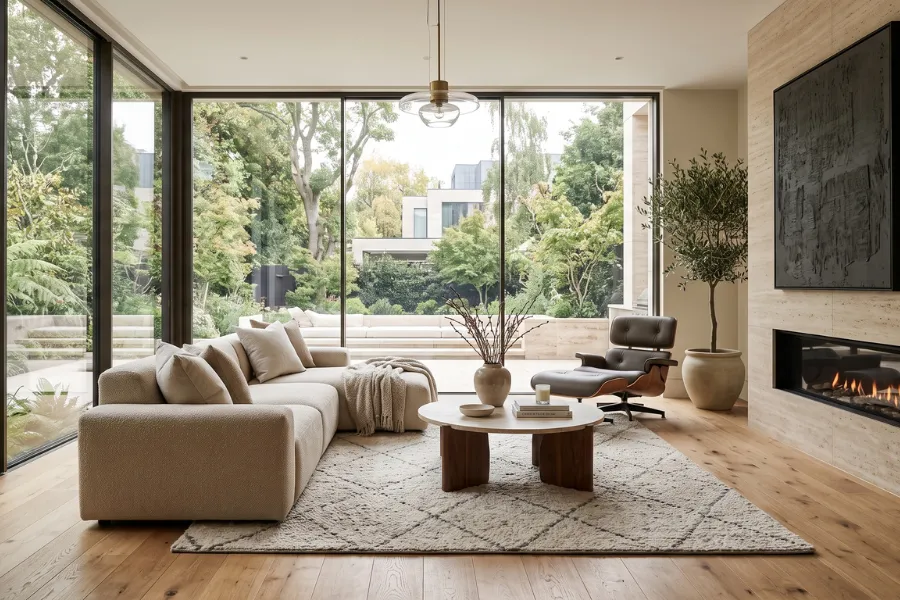
Modern design focuses on clean lines, neutral colors, and functional furniture. Moreover, it strips away unnecessary ornamentation, favoring open floor plans and natural light throughout the entire home.
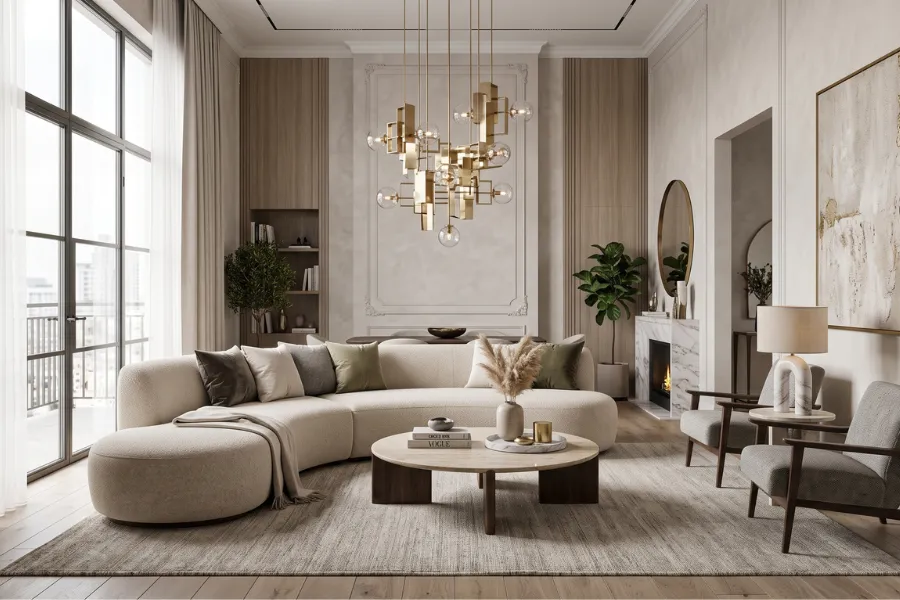
Unlike modern design, contemporary style constantly evolves with current trends. It blends soft curves, bold accents, and sustainable materials, therefore keeping your home feeling fresh and current.
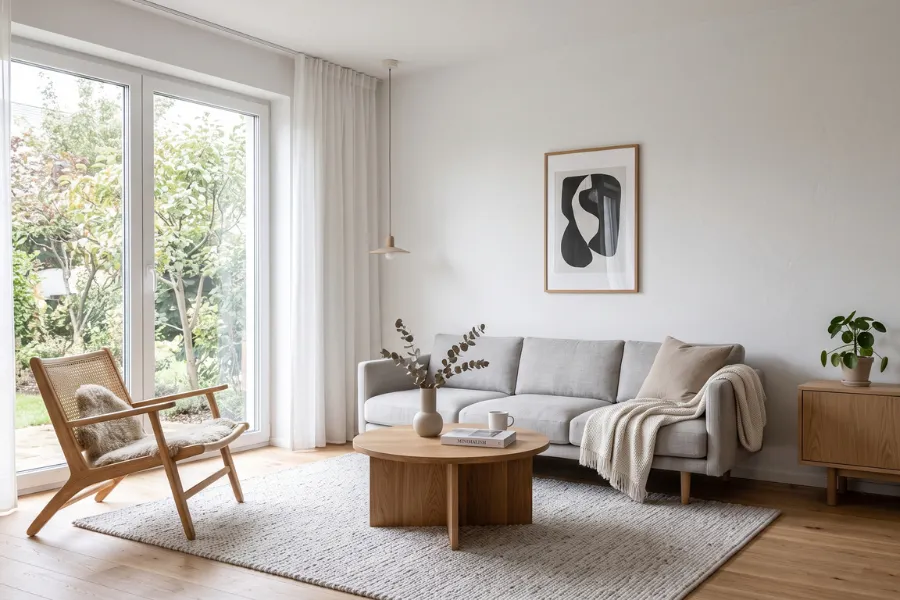
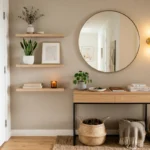
Minimalist design emphasizes “less is more.” Consequently, rooms feature limited furniture, monochrome palettes, and clutter-free surfaces that promote calm and clarity across living rooms and bedrooms alike.
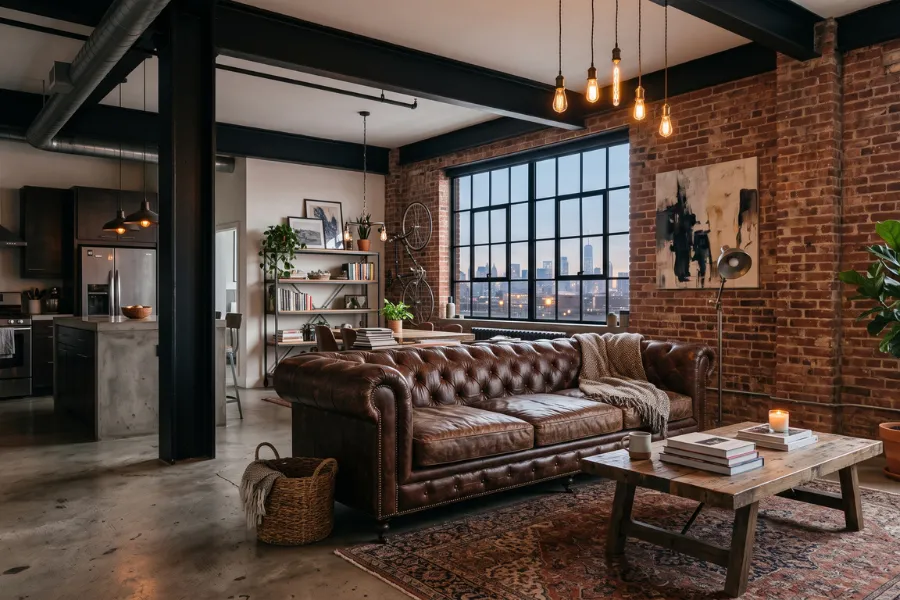
Exposed brick, metal fixtures, and raw concrete define the industrial look. This approach works beautifully in kitchens and lofts, giving your home an urban, warehouse-inspired edge.
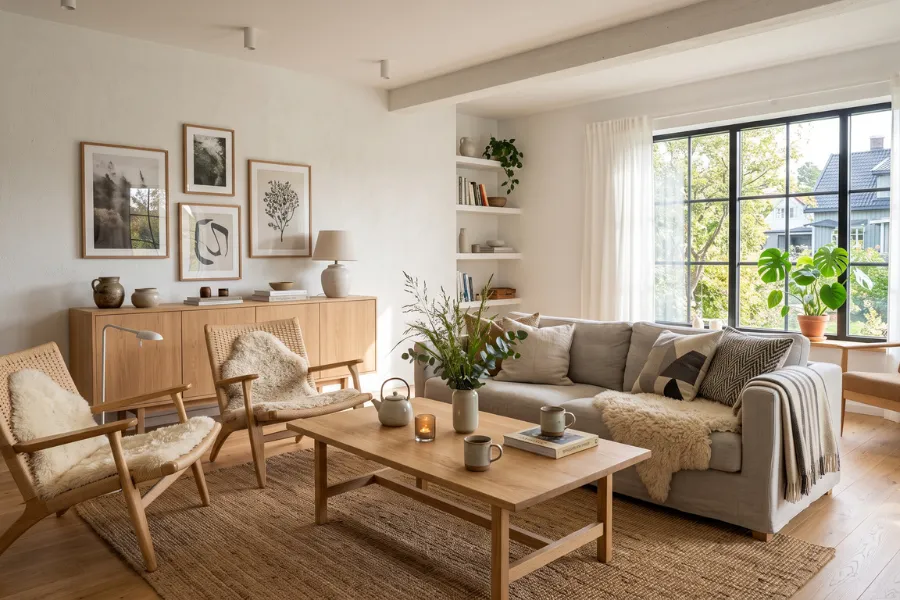
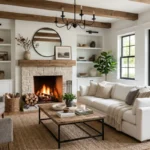
Scandinavian design combines minimalism with warmth. Light wood, cozy textiles, and soft neutral tones create inviting spaces, particularly in living rooms and bedrooms during colder months.
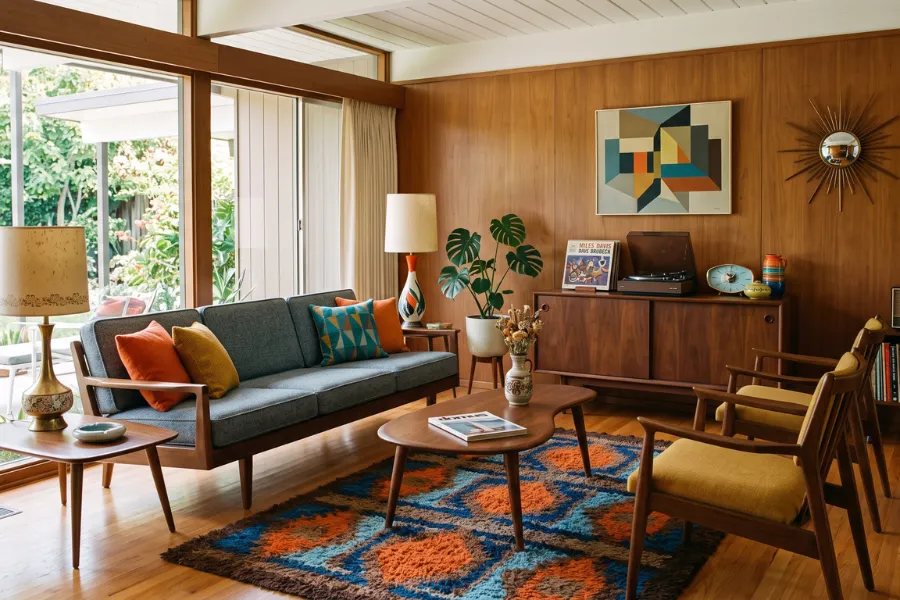
Originating from the 1950s and 60s, this style features tapered legs, organic shapes, and bold accent colors. Therefore, it remains a favorite for statement furniture pieces throughout the home.
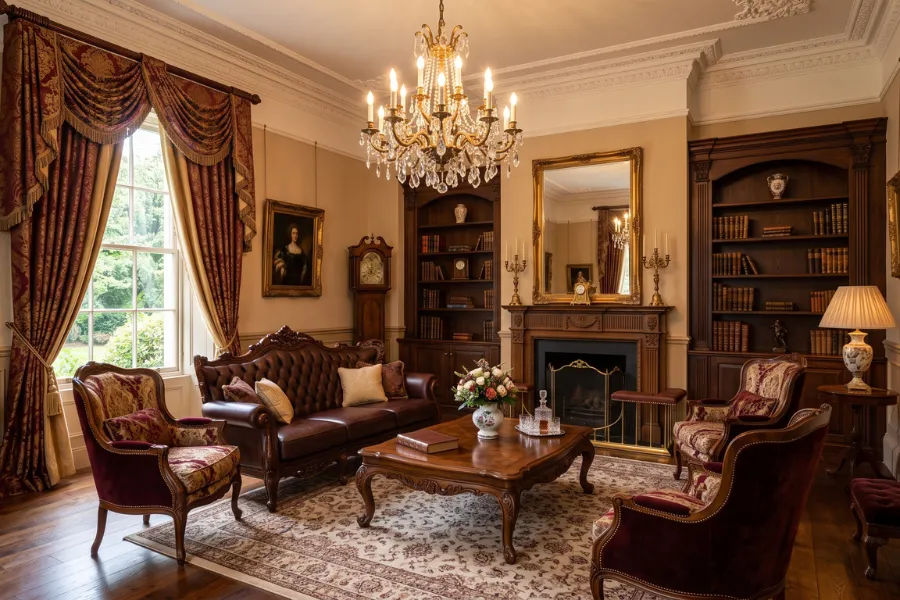
Rich wood tones, elegant fabrics, and symmetrical layouts define traditional design. Consequently, this style suits formal dining rooms and living spaces that value timeless sophistication.
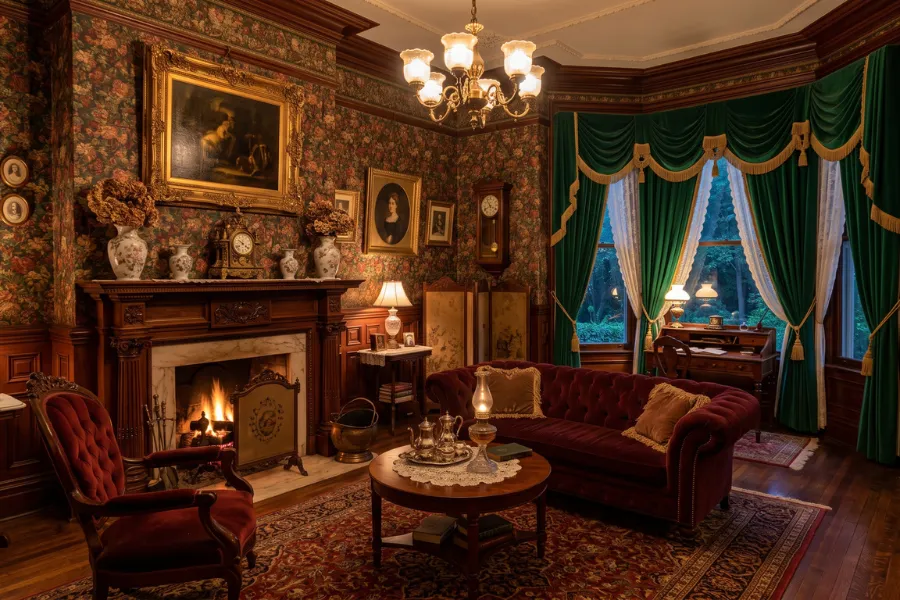
Ornate detailing, dark wood furniture, and layered patterns characterize Victorian interiors. As a result, bedrooms and parlors gain a dramatic, historic charm.
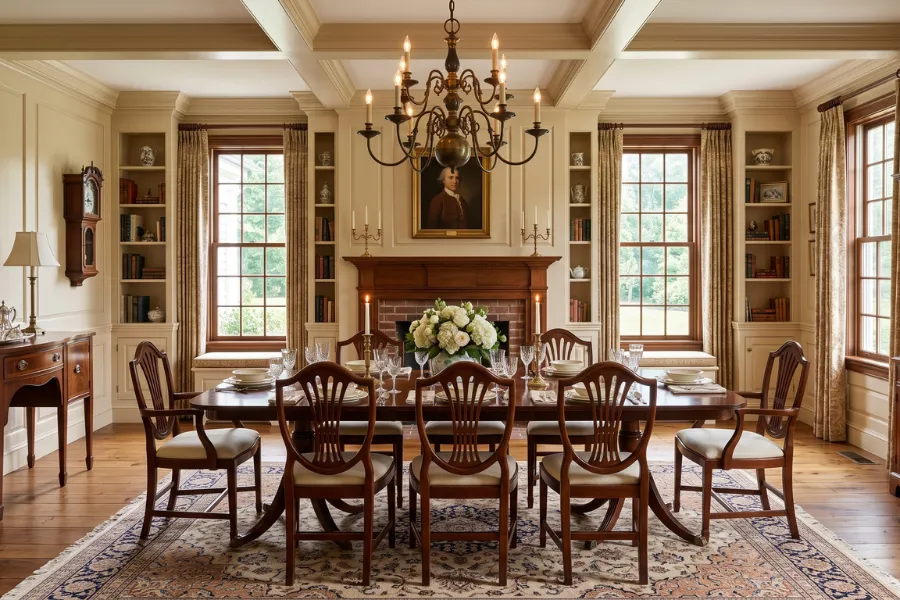
Colonial design blends practicality with classic elegance, using symmetrical furniture arrangements and muted colors. This works especially well for entryways and dining areas.
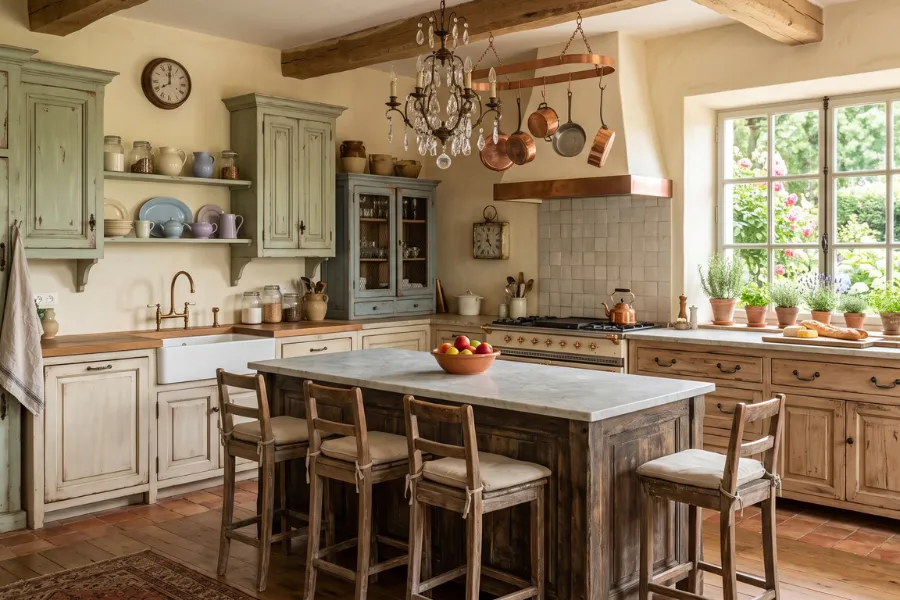
Soft pastel colors, distressed wood, and floral patterns give French Country its romantic charm. Kitchens and bedrooms particularly benefit from this warm, rustic elegance.
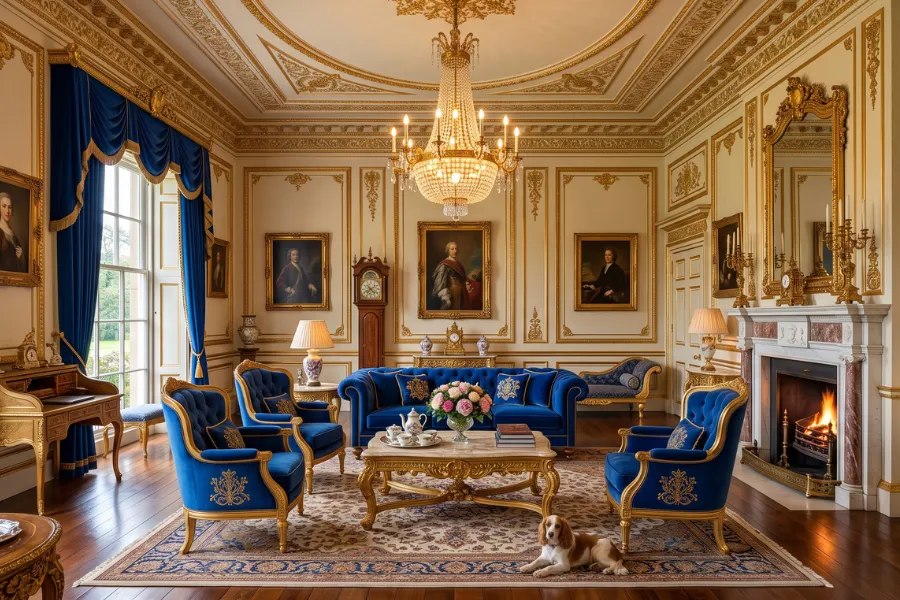
Bold colors, gilded accents, and dramatic silhouettes define Regency interiors. Consequently, living rooms and dining areas feel luxurious and theatrical.
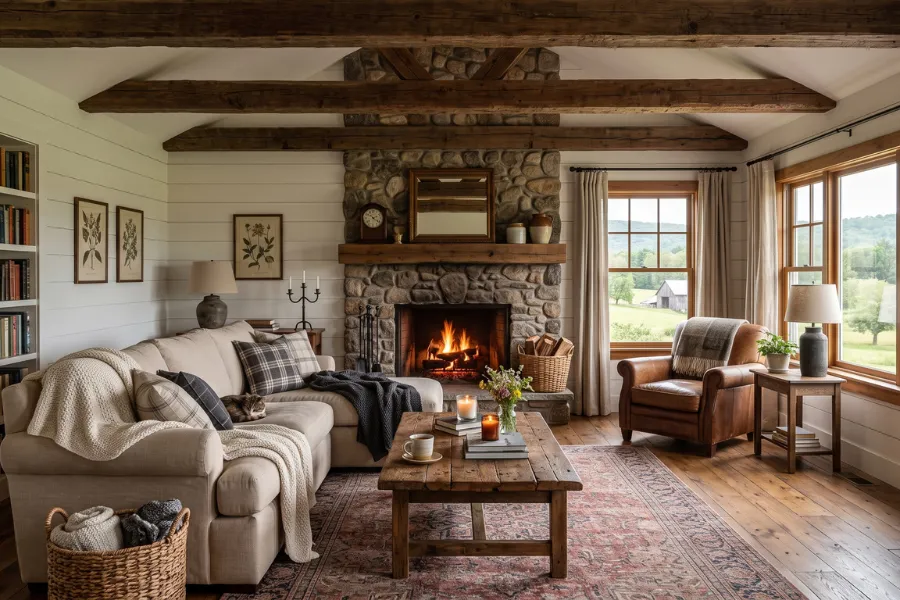
Farmhouse design mixes rustic wood, vintage accents, and comfortable furniture. Because of its cozy nature, it suits kitchens and living rooms in family homes perfectly.
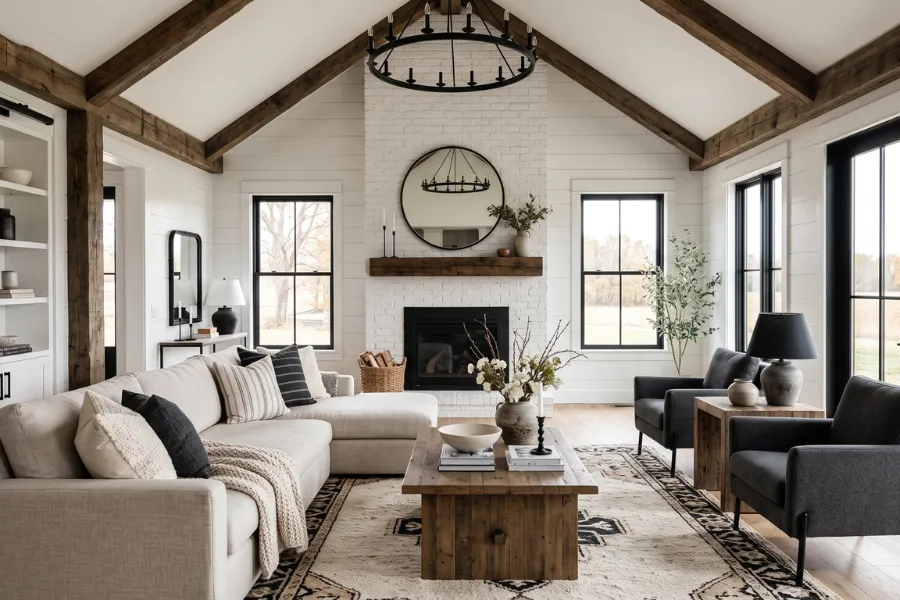
Combining farmhouse warmth with contemporary lines, this style uses black-and-white palettes alongside natural textures, therefore balancing comfort and sophistication.
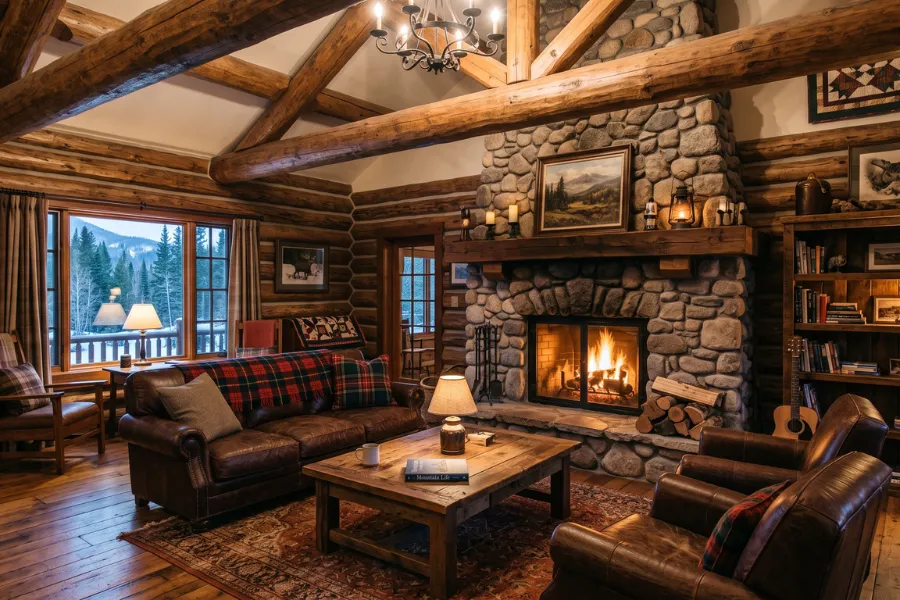
Exposed beams, stone accents, and reclaimed wood define rustic interiors. This approach transforms cabins and country homes into cozy retreats.
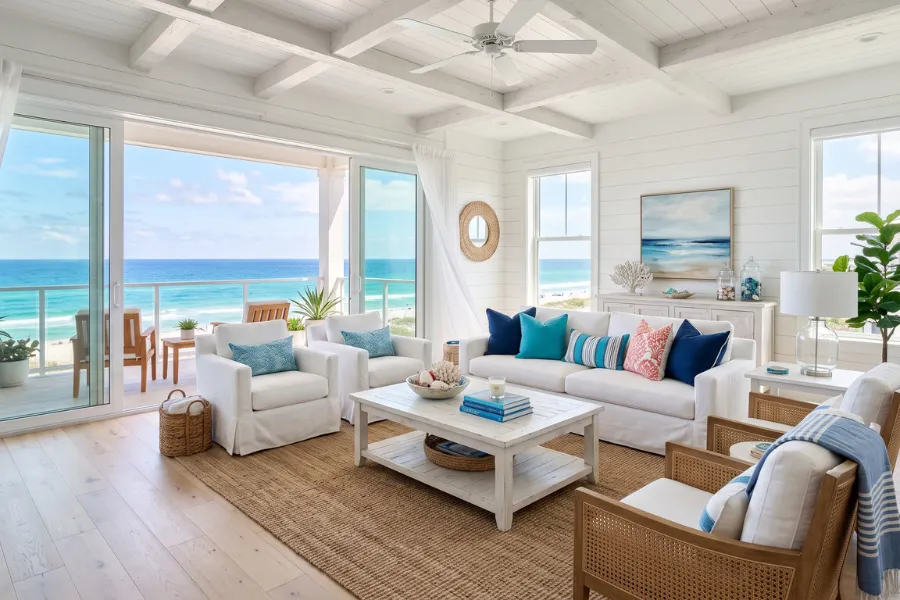
Light blues, sandy neutrals, and breezy fabrics evoke seaside living. Consequently, bathrooms and bedrooms feel relaxed, airy, and refreshing.
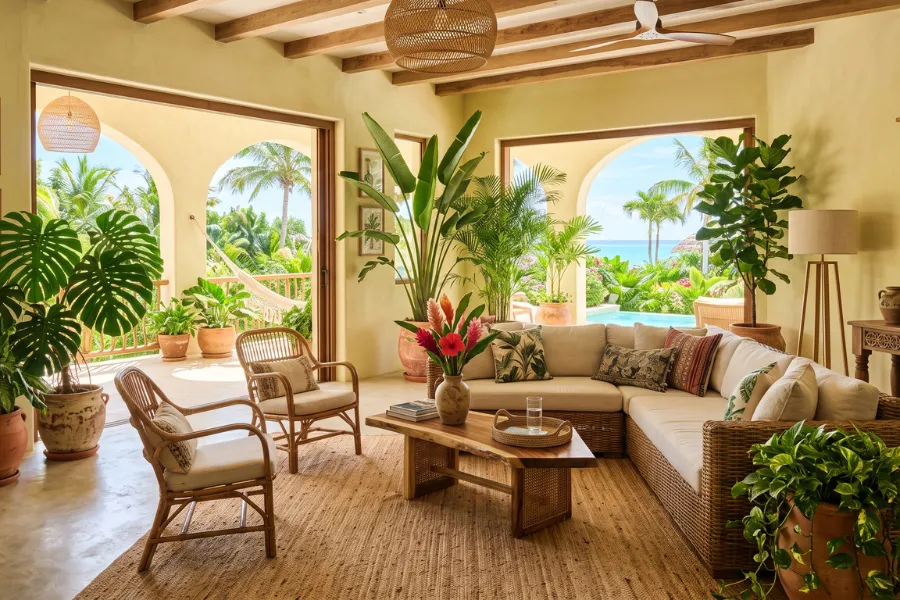
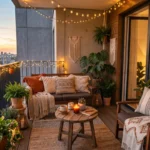
Bold greenery, natural rattan, and vibrant prints bring the outdoors in. As a result, sunrooms and patios gain an exotic, vacation-like atmosphere.
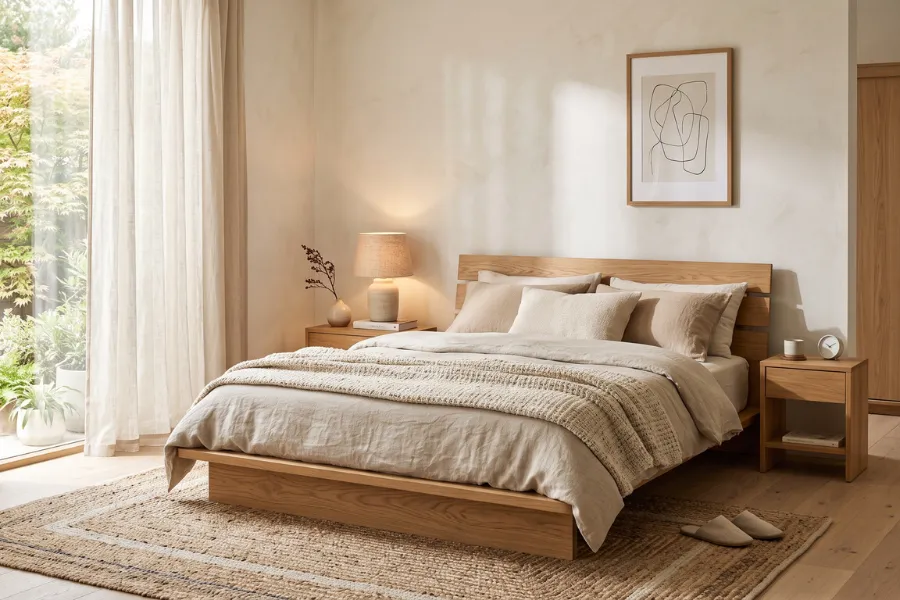
Japandi merges Japanese minimalism with Scandinavian warmth. Therefore, it creates serene, functional spaces ideal for bedrooms and home offices.
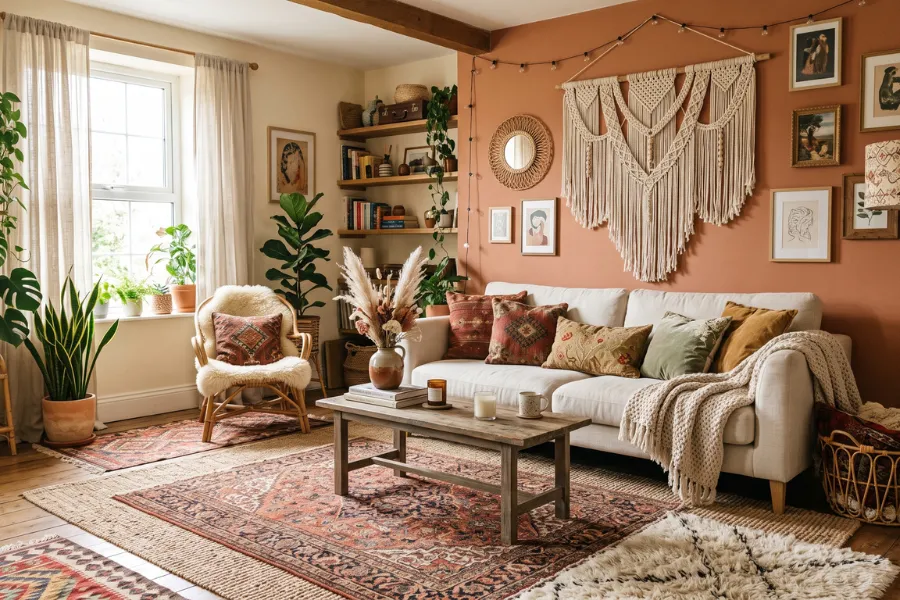
Layered textiles, mixed patterns, and global accents define bohemian interiors. Consequently, living rooms feel expressive, artistic, and effortlessly curated.
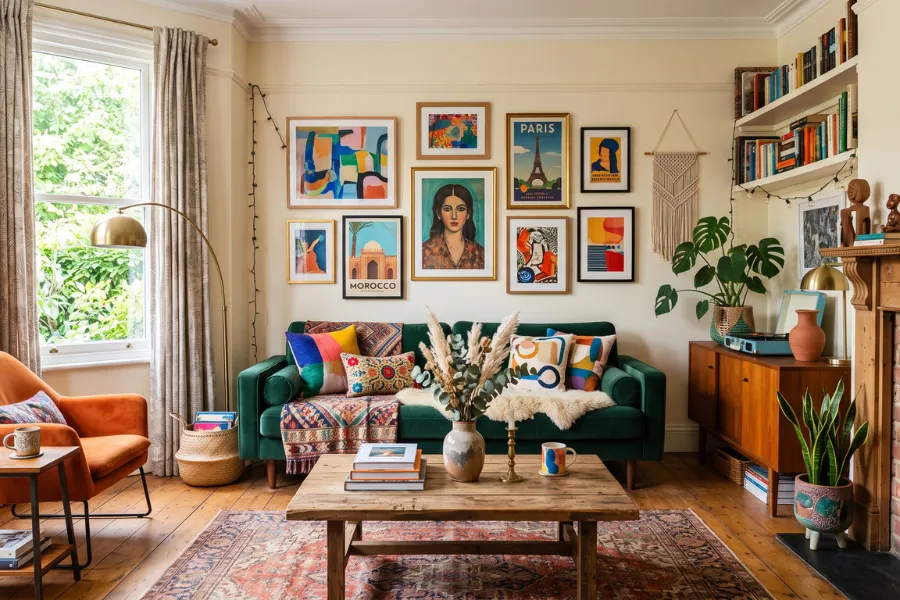
Eclectic design combines multiple design eras and cultures into one cohesive look. Because of its flexibility, homeowners can showcase personal collections throughout every room.
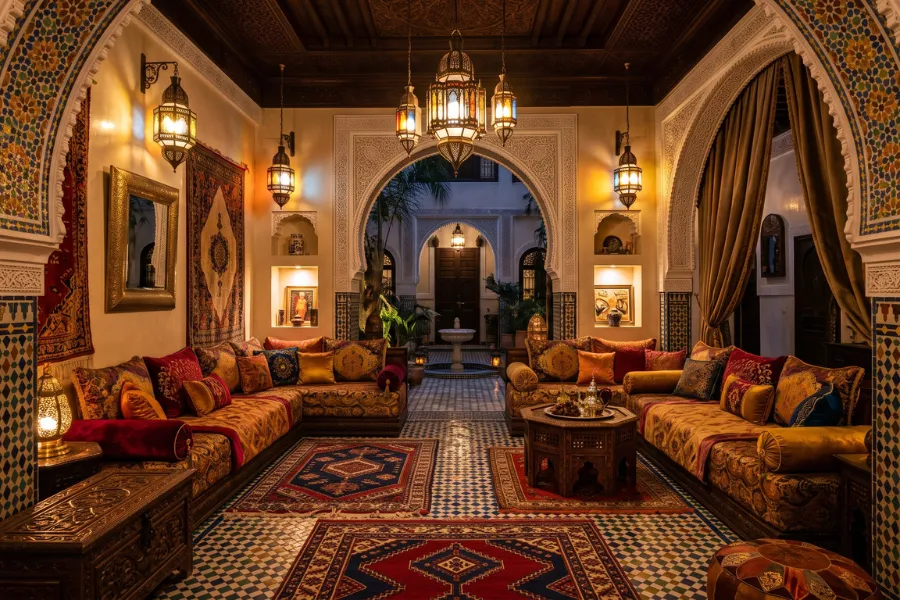
Intricate tile work, jewel tones, and ornate lanterns define Moroccan interiors. This style adds dramatic flair to entryways and lounge areas.
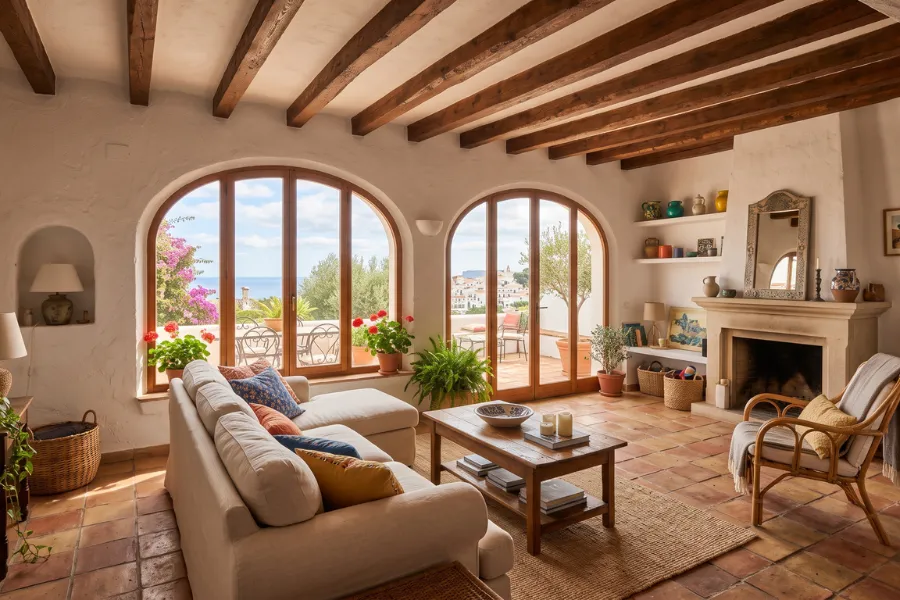
Terracotta tiles, wrought iron, and warm earth tones capture Mediterranean charm. As a result, kitchens and outdoor living spaces feel sun-drenched and inviting.
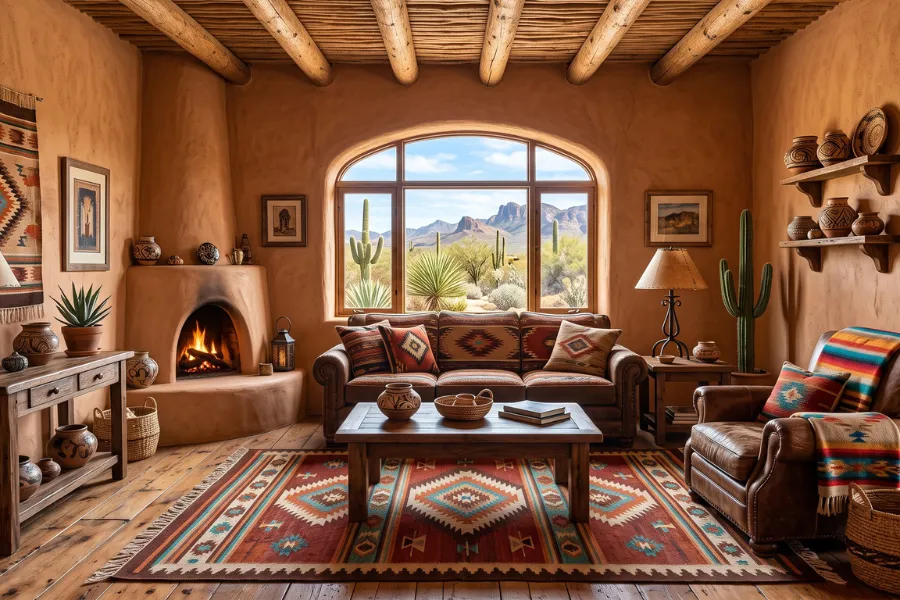
Earthy clay colors, woven textiles, and desert-inspired patterns define this look. Consequently, it suits homes seeking a warm, artisanal feel.
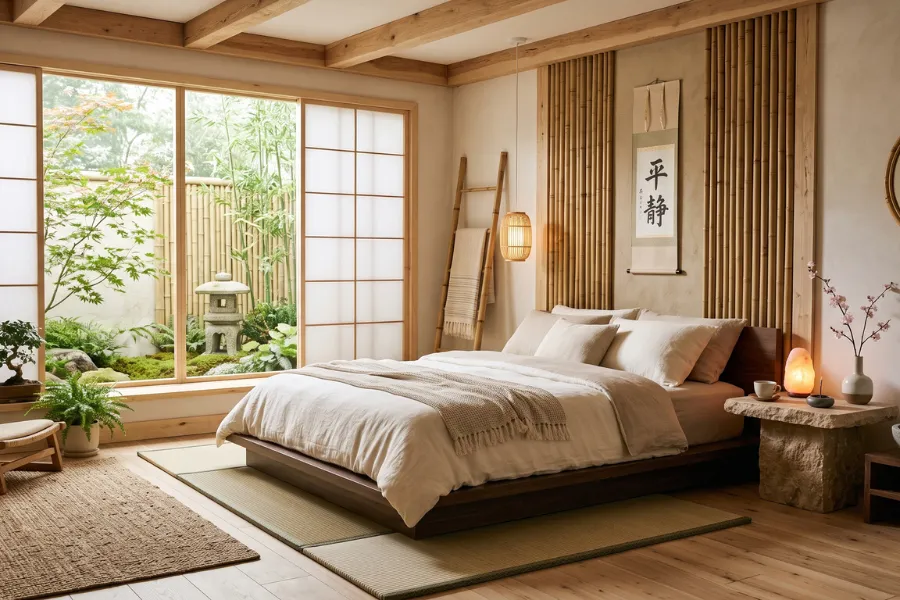
Natural materials, balanced symmetry, and calming colors define Zen interiors. Therefore, bathrooms and bedrooms become peaceful sanctuaries.
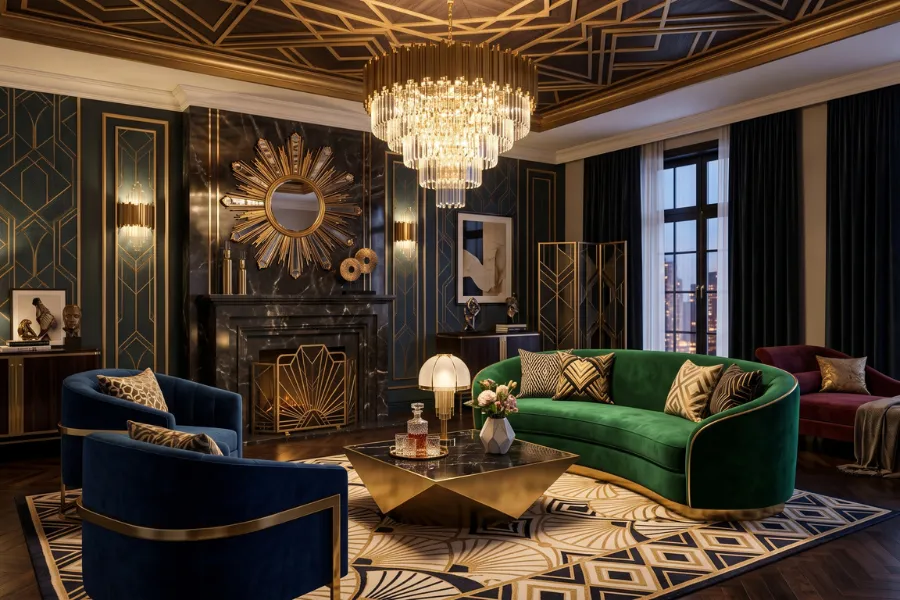
Bold geometric patterns, metallic accents, and rich colors define Art Deco glamour. Consequently, this style elevates living rooms and hallways with dramatic sophistication.
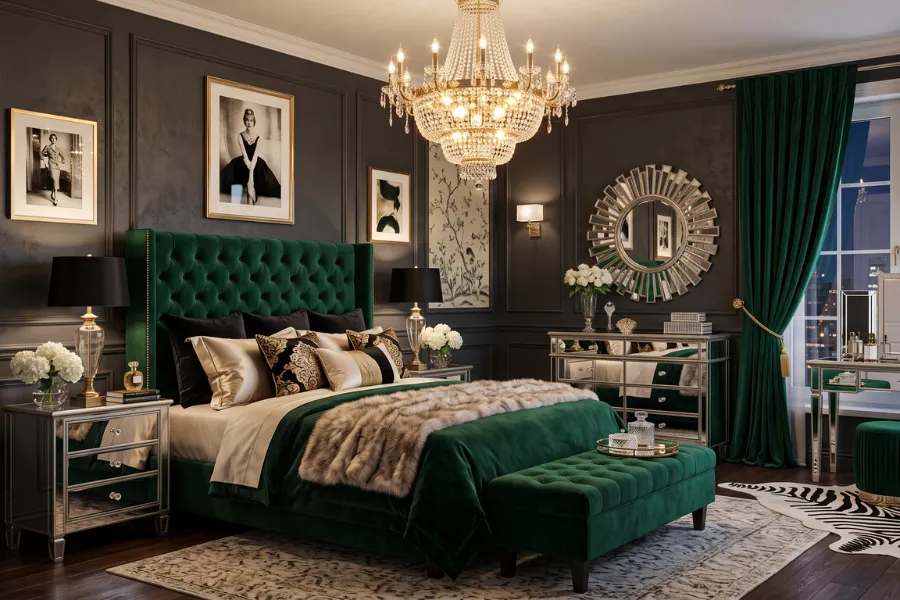
Glossy finishes, mirrored furniture, and luxurious fabrics create old-world Hollywood charm. As a result, bedrooms and dressing areas feel opulent and cinematic.
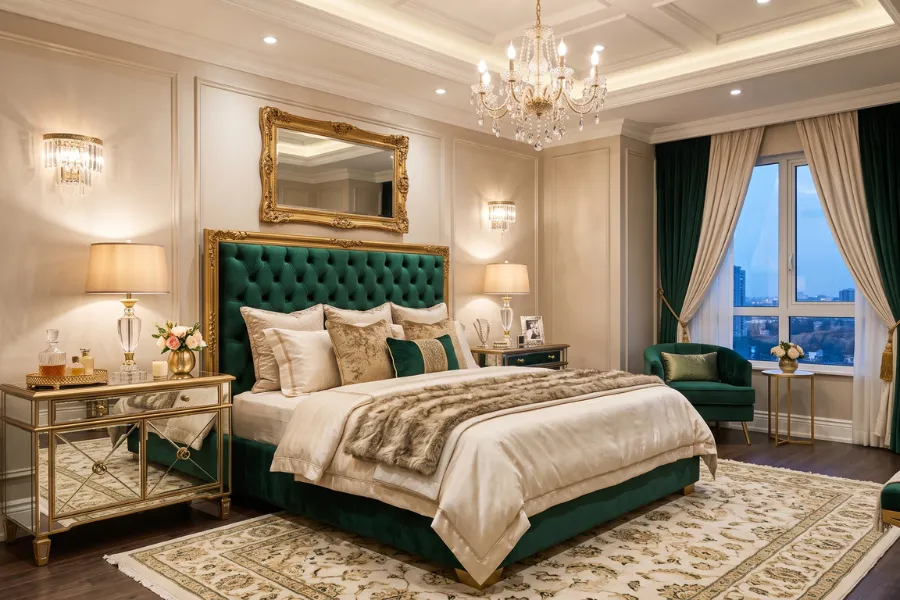
Sparkling accents, plush velvet, and metallic finishes define glam interiors. This style transforms bedrooms and powder rooms into indulgent retreats.
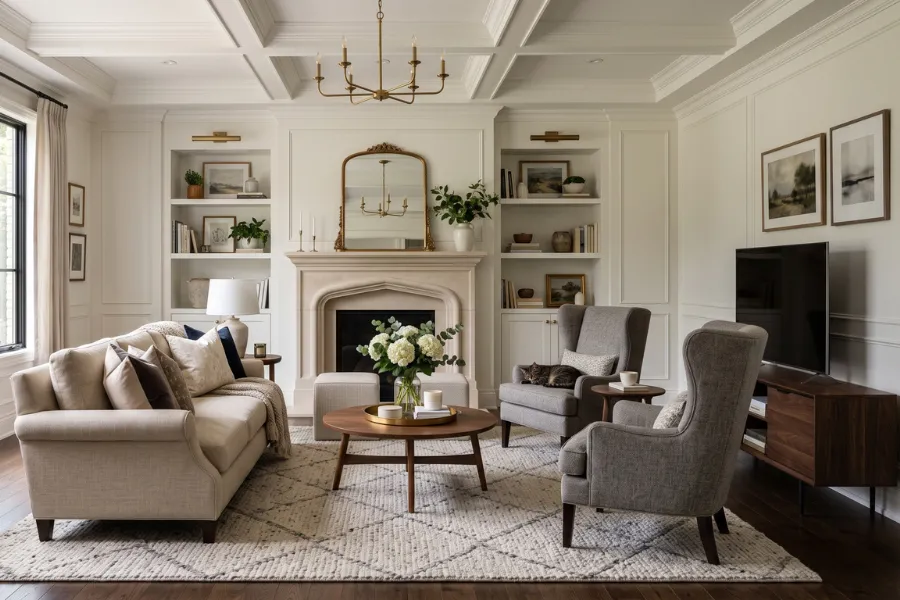
Blending traditional comfort with modern simplicity, transitional design offers balanced, versatile spaces. Consequently, it works beautifully throughout entire homes.
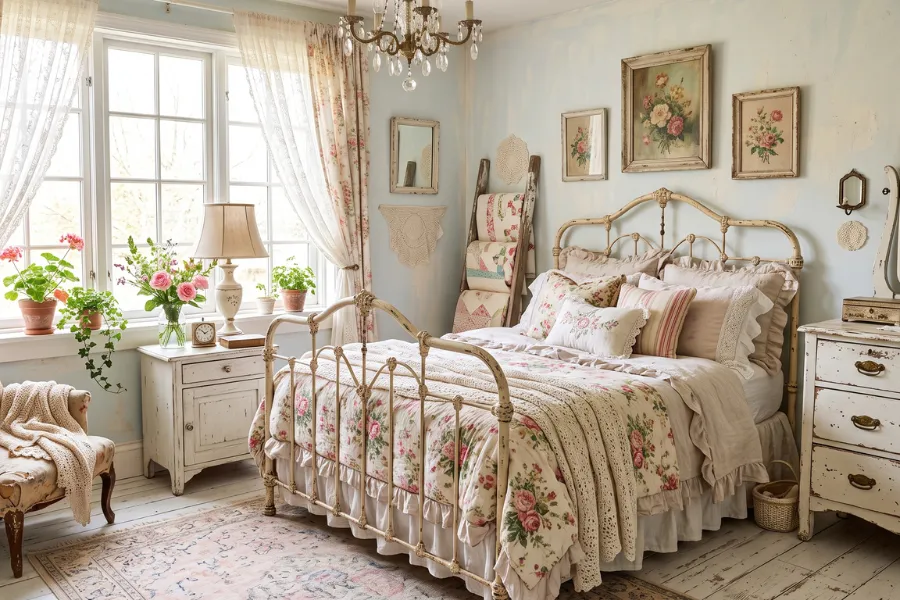
Soft pastels, distressed furniture, and vintage-inspired decor define shabby chic interiors. Therefore, bedrooms and reading nooks gain a romantic, lived-in charm.
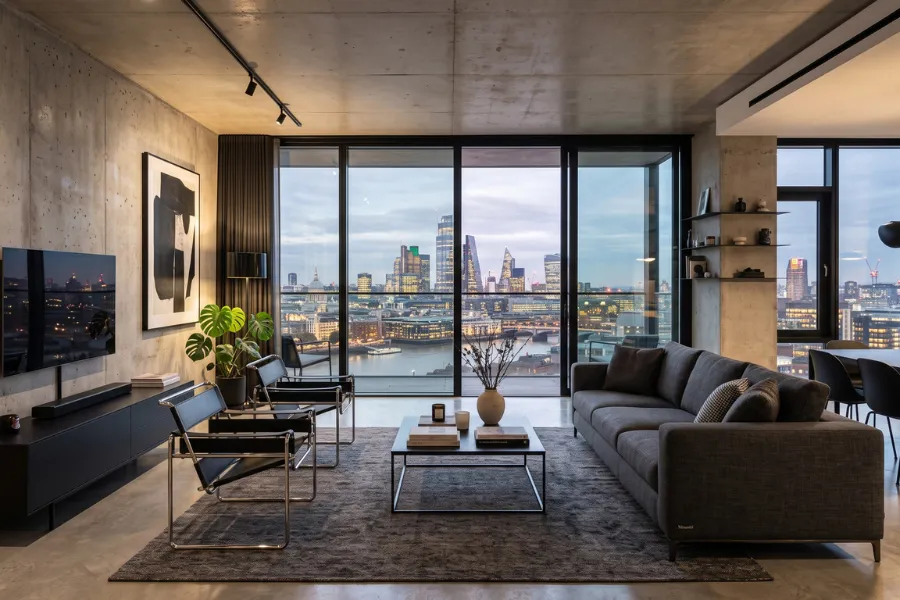
Combining industrial elements with sleek contemporary furniture, urban modern design suits city apartments and open-concept homes seeking a polished, edgy look.
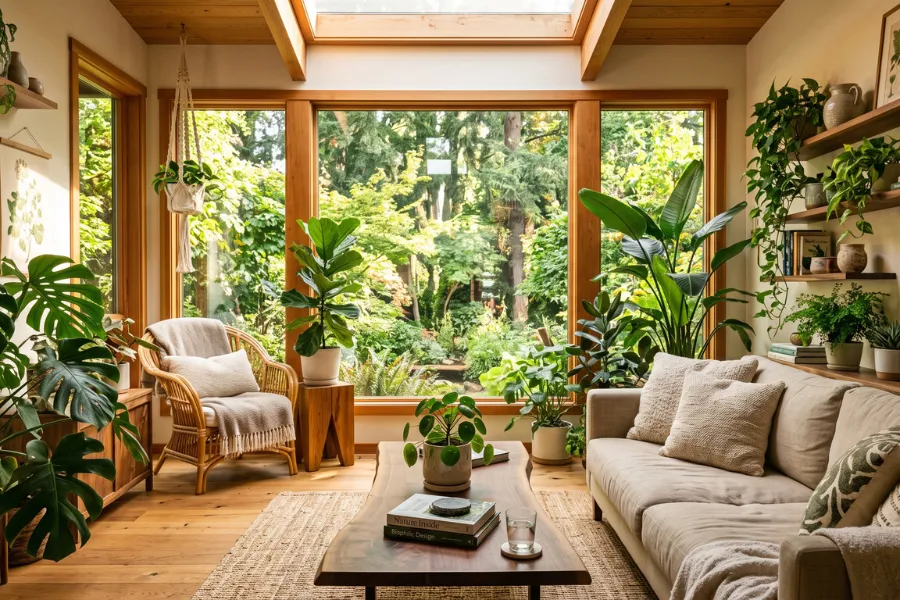
Biophilic design incorporates natural light, indoor plants, and organic materials to connect indoor spaces with nature. Consequently, this style benefits every room, from home offices to living areas, by improving air quality and overall wellbeing.
Different rooms often call for different approaches within your overall style. For instance, living rooms benefit from statement furniture and layered textures, since this is where families gather and guests are entertained. Meanwhile, bedrooms work best with calming palettes, such as Scandinavian or Japandi elements, because these promote restful sleep. Kitchens, on the other hand, often suit farmhouse, industrial, or Mediterranean touches, as these styles balance functionality with warmth. Bathrooms typically pair well with coastal or Zen influences, since soft colors and natural materials create a spa-like atmosphere. Finally, home offices increasingly embrace biophilic and minimalist elements, therefore boosting focus and productivity throughout the workday.
Color plays a crucial role in defining any interior style. For example, modern and minimalist spaces typically rely on whites, grays, and black accents to maintain a clean aesthetic. Meanwhile, farmhouse and rustic interiors favor warm neutrals, creams, and natural wood tones. Bohemian and Moroccan styles, however, embrace jewel tones like emerald, sapphire, and deep burgundy for a rich, layered effect. Coastal interiors lean toward soft blues, sandy beiges, and crisp whites, evoking a beachside calm. Additionally, glam and Art Deco styles often incorporate gold, black, and jewel accents to create dramatic contrast. Choosing the right palette, therefore, reinforces your chosen style and ties every room together seamlessly.
Selecting appropriate furniture and materials strengthens any interior design vision. Modern and industrial styles typically favor metal, glass, and concrete surfaces, whereas traditional and colonial interiors rely heavily on solid wood and upholstered pieces. Similarly, bohemian and eclectic spaces mix rattan, macrame, and vintage finds for an eclectic, well-traveled feel. Scandinavian and Japandi interiors, meanwhile, favor light woods like oak and birch alongside simple, functional silhouettes. For luxury styles such as Hollywood Regency and Glam, mirrored furniture, velvet upholstery, and metallic finishes add instant sophistication. Ultimately, matching your furniture materials to your chosen style ensures a cohesive, polished result throughout your home.
Selecting a decorating direction depends on several factors, including your lifestyle, budget, and the architecture of your home. Firstly, consider how much natural light your space receives, since this affects color choices significantly. Secondly, think about your daily routine; families with children may prefer durable, low-maintenance materials, whereas couples without kids might explore delicate finishes. Additionally, mixing two complementary interior styles, such as Scandinavian and Japandi, often creates a personalized, cohesive result throughout the home. Furthermore, consider your budget realistically, since some styles, like Art Deco or Hollywood Regency, often require a higher investment in luxury materials. Ultimately, the best choice is one that makes you feel comfortable, inspired, and truly at home.
Many homeowners make avoidable mistakes when selecting their interior direction. Firstly, following trends blindly without considering personal taste often leads to regret within a few years. Secondly, ignoring your home’s architecture can create a mismatched, jarring result; for example, adding ornate Victorian furniture to a sleek modern loft rarely works well. Additionally, overcrowding a space with too many decorative elements, especially in eclectic or bohemian styles, can make rooms feel cluttered rather than curated. Therefore, always balance bold choices with breathing room, and consult reliable inspiration sources before committing to major purchases.
Many homeowners successfully combine several interior decor styles instead of committing to just one. For instance, pairing industrial lighting with mid-century furniture creates a balanced, layered aesthetic. Similarly, adding bohemian textiles to a minimalist room introduces warmth without overwhelming the space. Therefore, don’t hesitate to experiment with textures, colors, and eras until you discover a combination that feels authentically yours. Nevertheless, maintaining a consistent color palette throughout the home helps unify different elements seamlessly.
Ultimately, exploring these 30 Design Styles Interior ideas gives you the tools to transform every room in your home with confidence. From minimalist simplicity to bohemian expression, each home interior design approach offers a unique way to reflect your personality and lifestyle. Therefore, take time to explore color palettes, furniture shapes, and textures that resonate with you before starting your next renovation project. Whether you choose a single style or blend several together, your home should always feel like a true reflection of who you are.
1. What is the most popular home decor style in 2026?
Currently, Japandi and biophilic styles are gaining massive popularity because they combine minimalism, natural materials, and wellbeing-focused design.
2. Can I mix multiple interior decor styles in one home?
Yes, absolutely. Many homeowners blend styles such as Scandinavian and industrial, or bohemian and mid-century modern, to create a personalized and cohesive result throughout their home.
3. Which interior style works best for small homes?
Minimalist and Scandinavian styles work exceptionally well for small homes since they emphasize open space, natural light, and clutter-free furniture arrangements.
4. How do I know which Design Styles Interior option suits my personality?
Consider the colors, textures, and moods that naturally attract you. For example, if you love bold patterns and global accents, bohemian or eclectic styles may suit you best, whereas calm, clean spaces suggest minimalist or Japandi styles.
5. Is farmhouse style still trendy?
Yes, farmhouse and modern farmhouse styles remain extremely popular because they balance rustic warmth with contemporary functionality, making them ideal for family homes.
6. What interior decor style is best for a luxury home?
Art Deco, Hollywood Regency, and Glam styles work beautifully for luxury homes, as they emphasize opulent materials, bold patterns, and dramatic finishes.