Physical Address
304 North Cardinal St.
Dorchester Center, MA 02124
Physical Address
304 North Cardinal St.
Dorchester Center, MA 02124

Craftsman interior design has shaped American homes for more than a century. It celebrates honest materials, skilled joinery, and warm, livable spaces. Homeowners still love this style today because it feels grounded, personal, and built to last.
This guide walks through the history, the details, and the modern application of this beloved style. Whether you are restoring a century-old bungalow or designing a new luxury home, these principles still apply.
Craftsman style did not appear by accident. It grew from a reaction against mass production, and it still speaks to people who value quality over shortcuts.
The Craftsman movement began in the early 1900s. It emerged from the larger Arts and Crafts movement in Britain, which pushed back against factory-made goods. American designers like Gustav Stickley brought these ideas home. He promoted simple forms, solid wood, and visible craftsmanship instead of ornate, machine-made decoration. Bungalow homes soon carried these values into everyday American neighborhoods. Low rooflines, deep porches, and handcrafted woodwork became the visual language of the era. Magazines like The Craftsman, founded by Stickley himself, spread these ideas across the country.
Pattern books made bungalow plans affordable for middle-class families nationwide. By the 1920s, Craftsman homes stood in nearly every American city. Pasadena, California, became a well-known center for the style, thanks to architects Charles and Henry Greene.
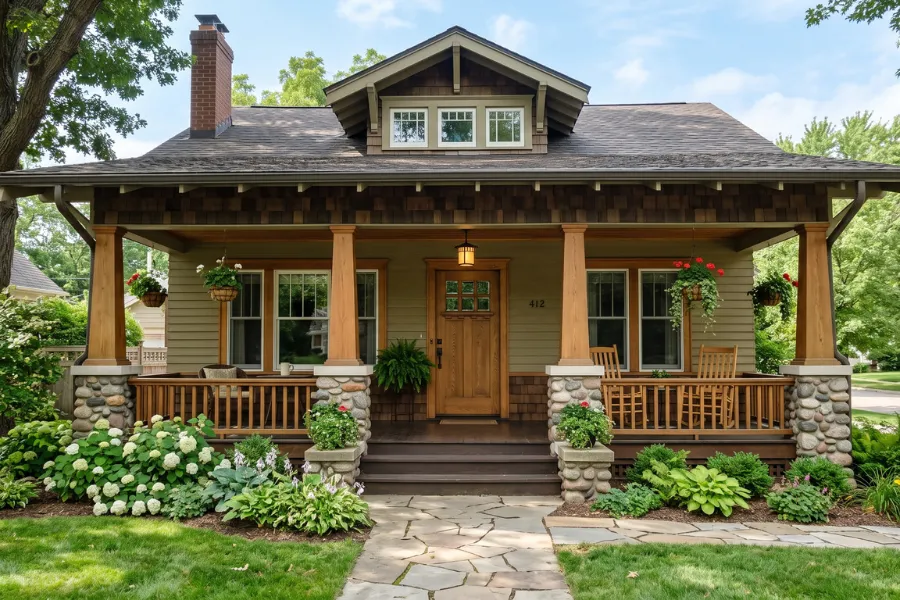
Every element in a Craftsman home serves a purpose. Built-in shelves, window seats, and exposed beams are functional first, decorative second. This focus on precision came from the belief that good design should support daily life. Nothing sits in a Craftsman room just for show. That discipline still guides Craftsman style today. Designers choose pieces that work hard and look beautiful at the same time.
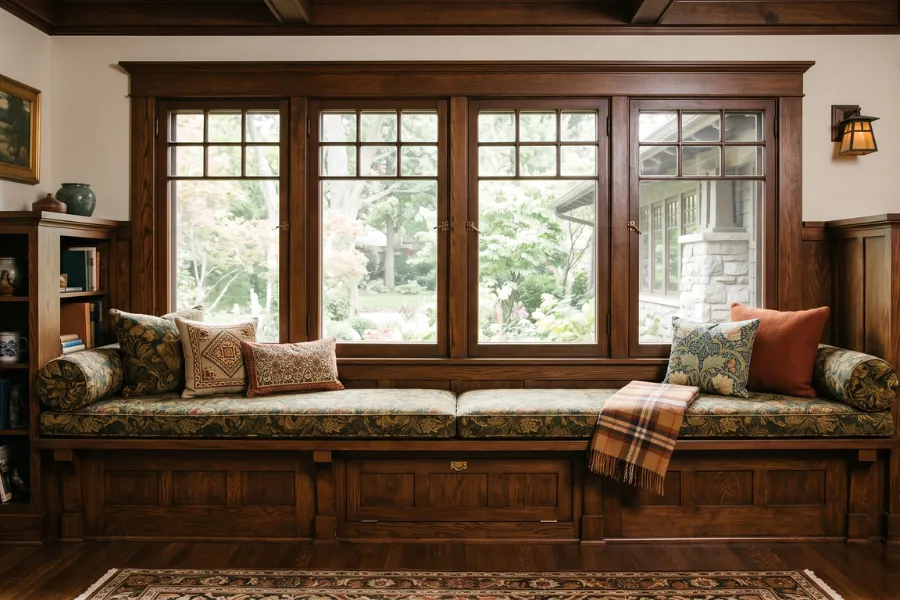
People still choose Craftsman interiors because they feel warm and authentic. Natural wood tones and simple lines create a calm, welcoming atmosphere. This style also ages well. Solid materials and classic proportions do not go out of fashion the way trendy finishes often do. Finally, Craftsman design rewards attention to detail. Homeowners who value quality craftsmanship find this style deeply satisfying to live with.
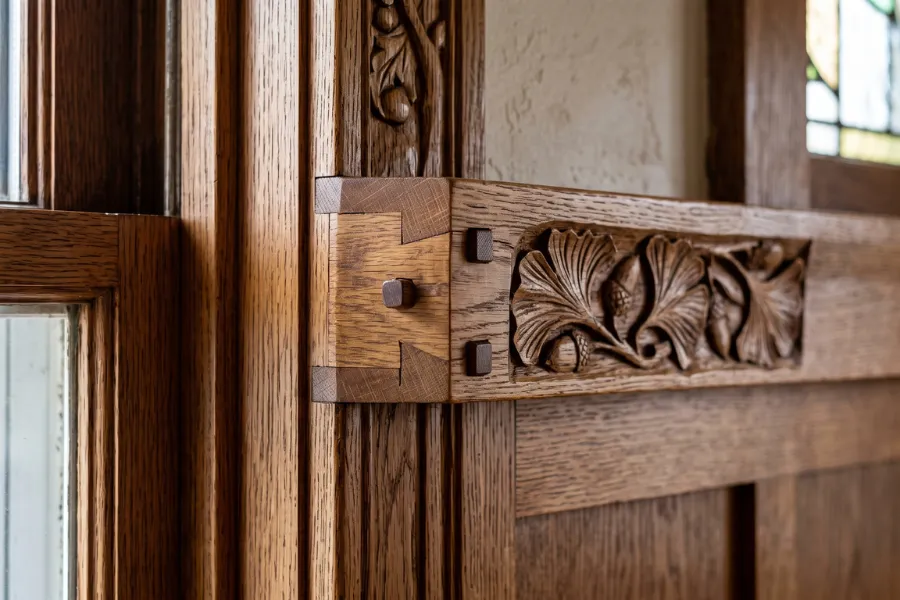
Craftsman interior design has a distinct visual signature. Once you learn the markers, you will spot them in homes everywhere.
People also ask: What are the defining features of this style? Look for exposed beams, built-in cabinetry, natural materials, and a warm, earthy color palette throughout the home.
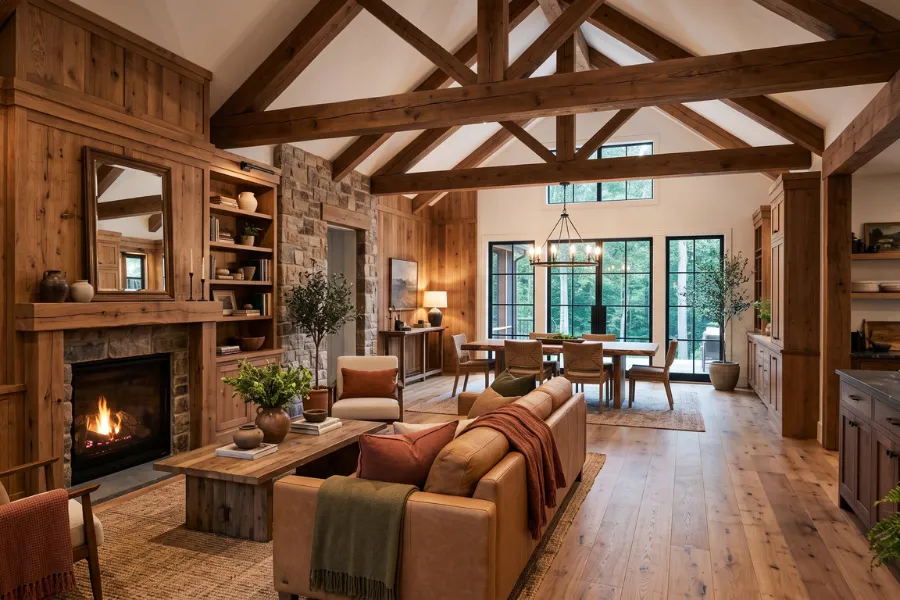
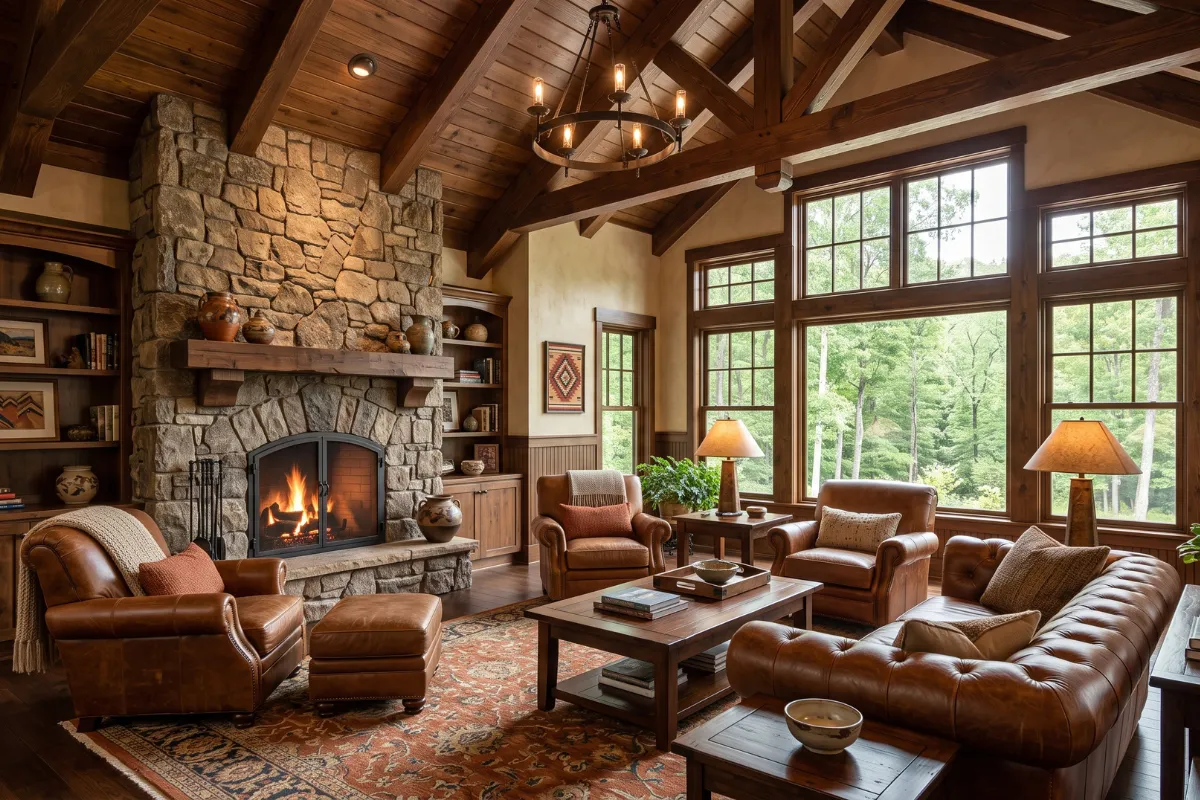
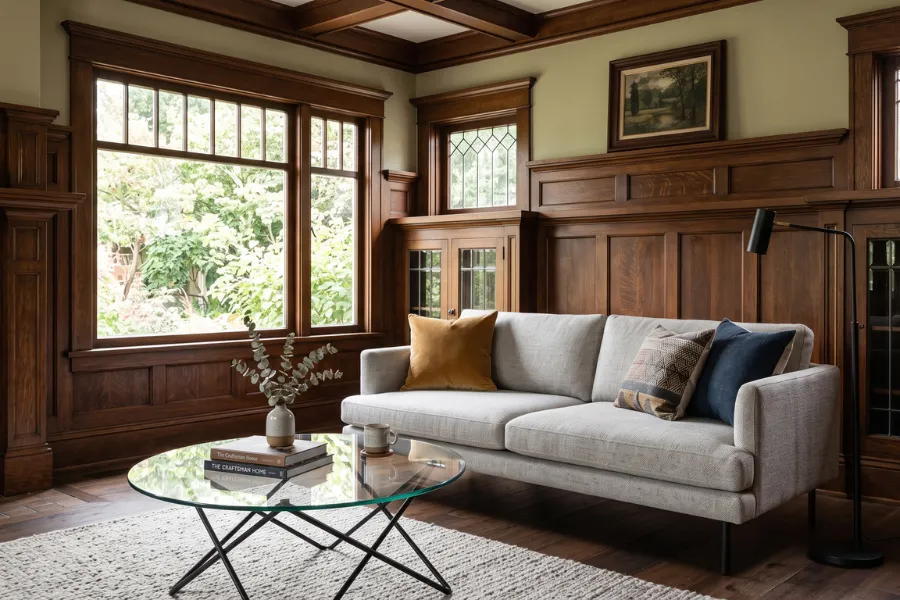
Craftsman rooms favor horizontal lines and low, grounded proportions. Ceilings often feature exposed beams that add structure and rhythm. Windows tend to be grouped rather than scattered. This creates balanced walls and lets natural light pour into main living areas. Doorways and openings are often wider than average. This encourages an open flow between rooms while keeping each space clearly defined.
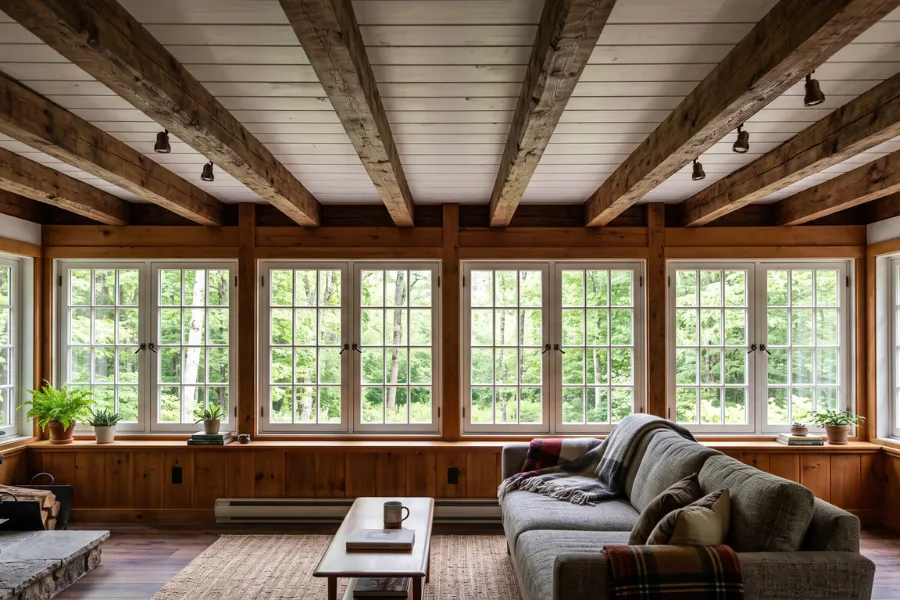
Woodwork is the heart of Craftsman style. Wide trim, box beams, and paneled wainscoting appear in nearly every room. Built-in features set this style apart from others. Bookcases, window seats, and buffet cabinets are constructed directly into the architecture. Joinery details, like exposed pegs and mortise-and-tenon joints, are left visible on purpose. They celebrate the skill behind the construction.
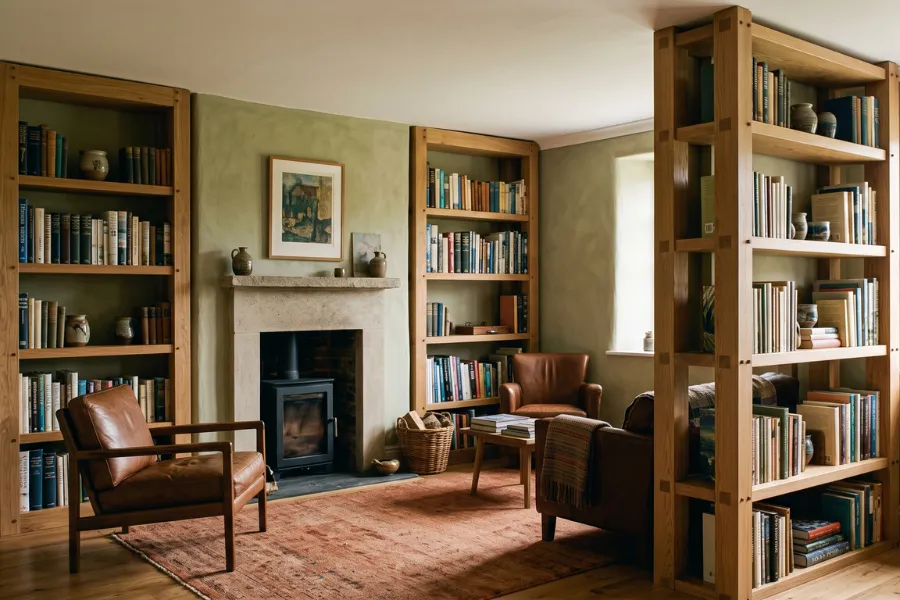
Craftsman interiors lean heavily on natural materials. Oak, fir, stone, and leather appear again and again throughout these homes. Color palettes stay warm and earthy. Think deep browns, olive greens, muted golds, and warm reds inspired by nature. These colors and materials work together to create a cozy, grounded feeling. Nothing feels cold or overly polished in a true Craftsman space.
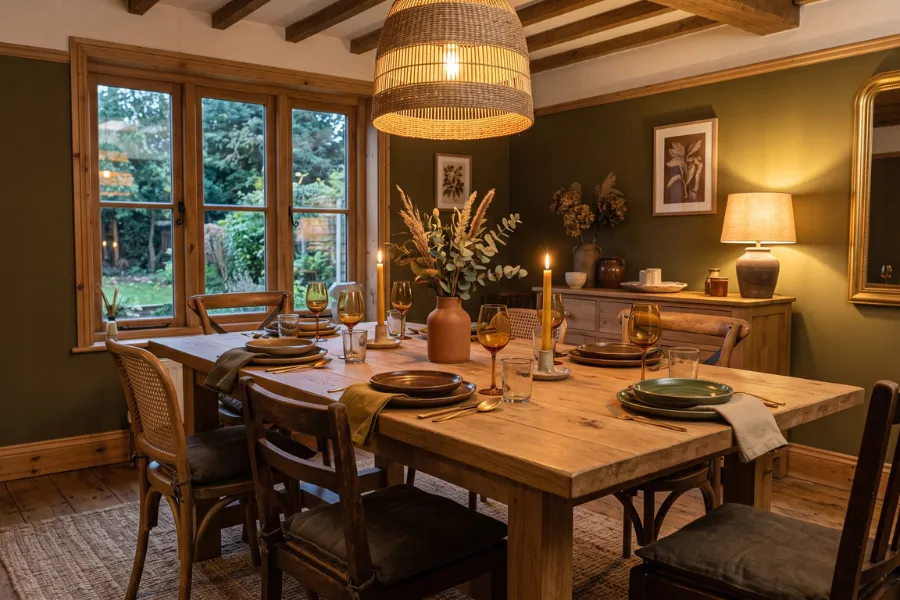
Craftsman principles translate beautifully into modern luxury homes. The key is blending heritage details with contemporary comfort. Luxury buyers often want character without sacrificing convenience. Craftsman design offers both, since its structure and materials naturally support upscale finishes. Architects and interior designers now combine Craftsman bones with open floor plans. The result feels both nostalgic and completely livable for modern families.
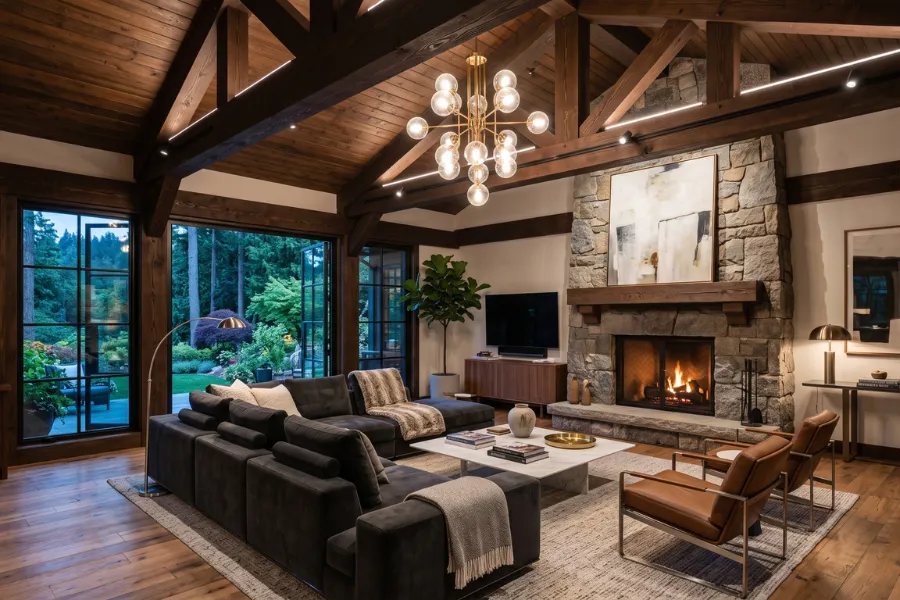
Start by keeping the bones of Craftsman architecture, like beams and trim. Then layer in modern furniture with cleaner lines. This mix keeps a home from feeling like a museum piece. It also allows the space to feel fresh while honoring tradition. Mixing eras works best when materials stay consistent. Pair traditional wood tones with contemporary metal or glass accents for balance.
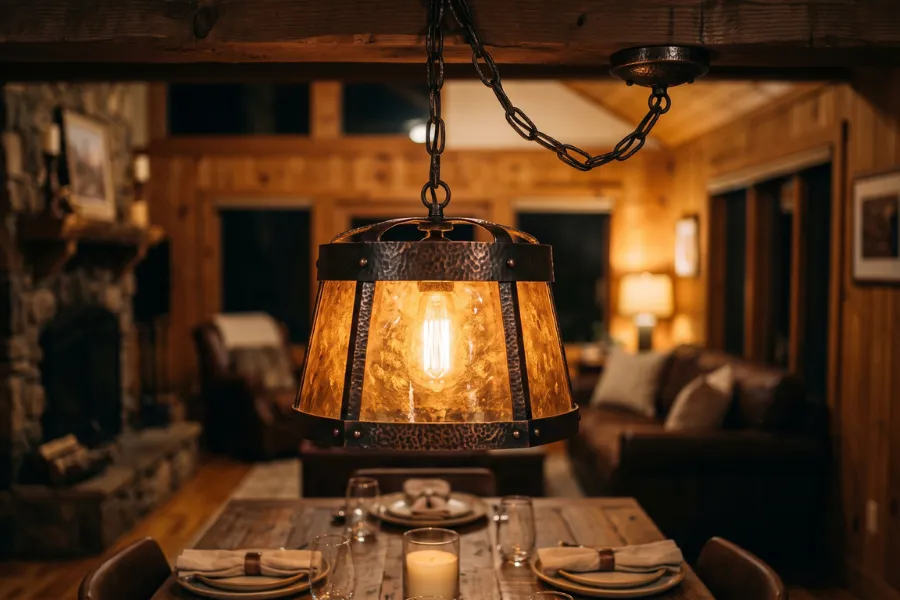
Lighting plays a major role in Craftsman style interiors. Mica shades, hammered metal, and geometric patterns are classic choices. Pendant lights and sconces with clean, structured shapes suit this style well. Avoid ornate, overly delicate fixtures that clash with the aesthetic. Choose warm bulb tones over cool white light. Warm lighting supports the cozy, handcrafted feeling central to Craftsman design.
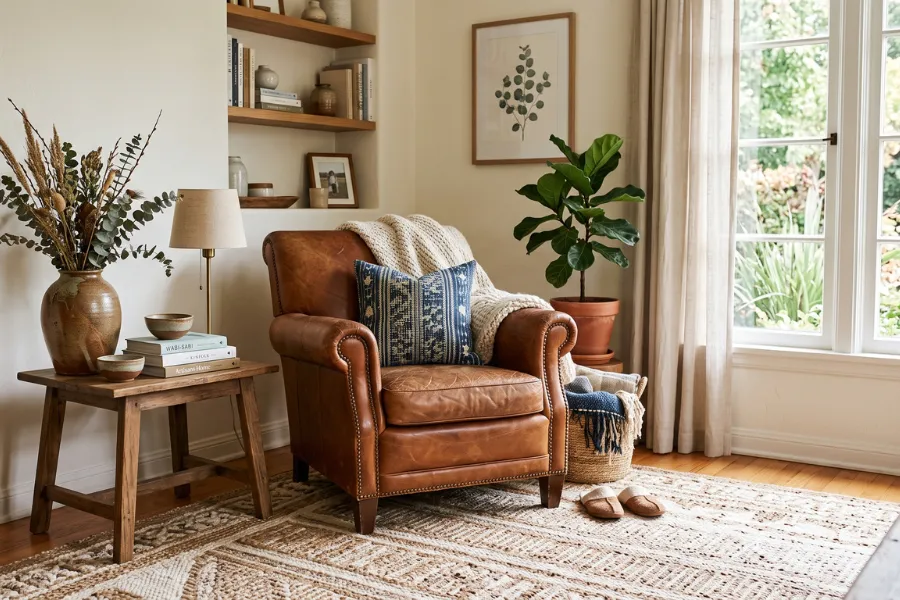
Balance matters in every Craftsman room. Pair heavy wood elements with lighter textiles like linen or wool to avoid a heavy look. Texture adds depth without adding clutter. Consider woven rugs, leather upholstery, and hand-thrown pottery as accent pieces. Every material choice should feel intentional. Craftsman style rewards restraint over excess.
Hardware might seem like a small detail, but it carries real weight in Craftsman design. The right pieces tie a whole room together.
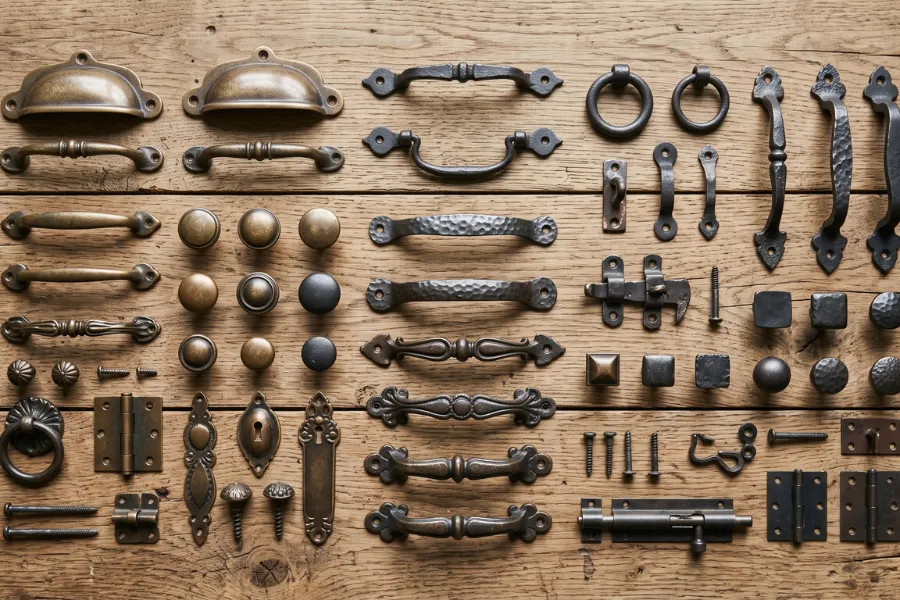
Hammered textures and hand-applied finishes suit Craftsman hardware well. They echo the handmade quality found throughout the architecture. Inlays using stone, wood, or mixed metals add subtle richness. These details connect cabinet hardware to larger design elements in the room. Simple geometric patterns work better than ornate scrollwork. Craftsman style favors clean, structured shapes over fussy decoration.
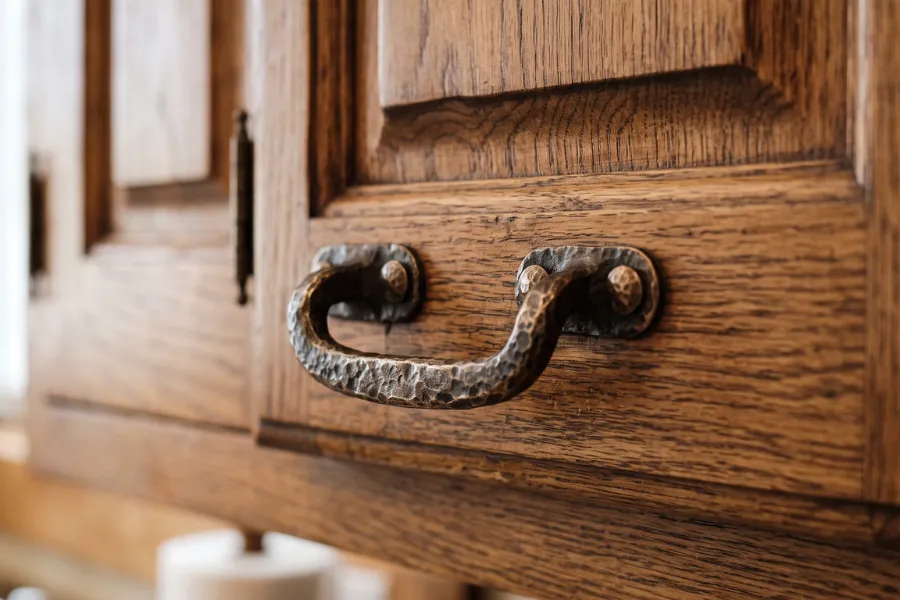
Finish choice can make or break a Craftsman interior. Oil-rubbed bronze, aged iron, and warm brass all pair naturally with wood tones. These finishes should coordinate with existing stone and wood surfaces. Cohesion across materials creates a polished, intentional look. Avoid bright, shiny finishes like polished chrome. They tend to feel out of place next to matte wood and natural stone.
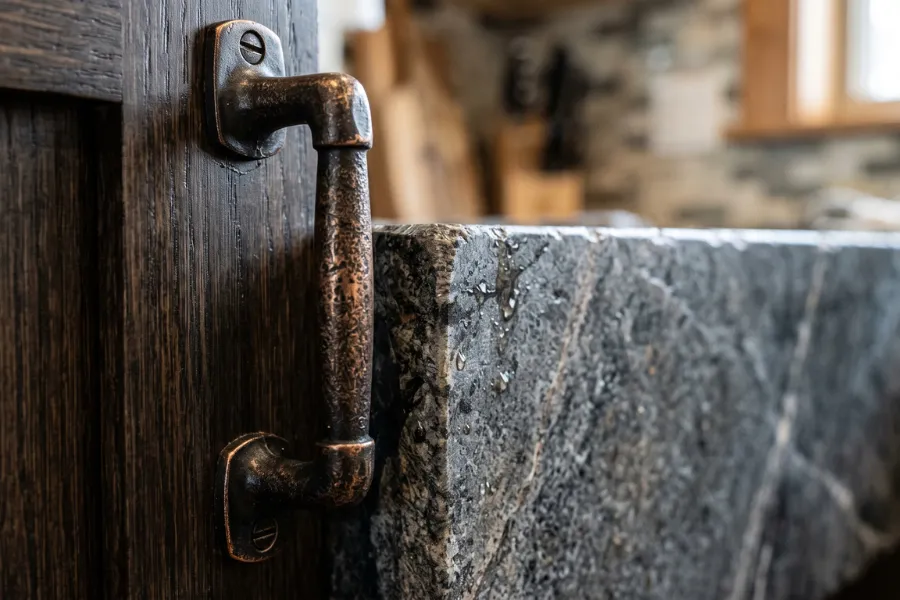
Hardware size should match the scale of Craftsman cabinetry and doors. Oversized pieces can overwhelm smaller built-ins. Shape matters too. Square and rectangular pulls generally suit this style better than rounded or ornate options. Placement should follow the architecture’s natural lines. Align hardware with panel edges and trim details for a cohesive result.
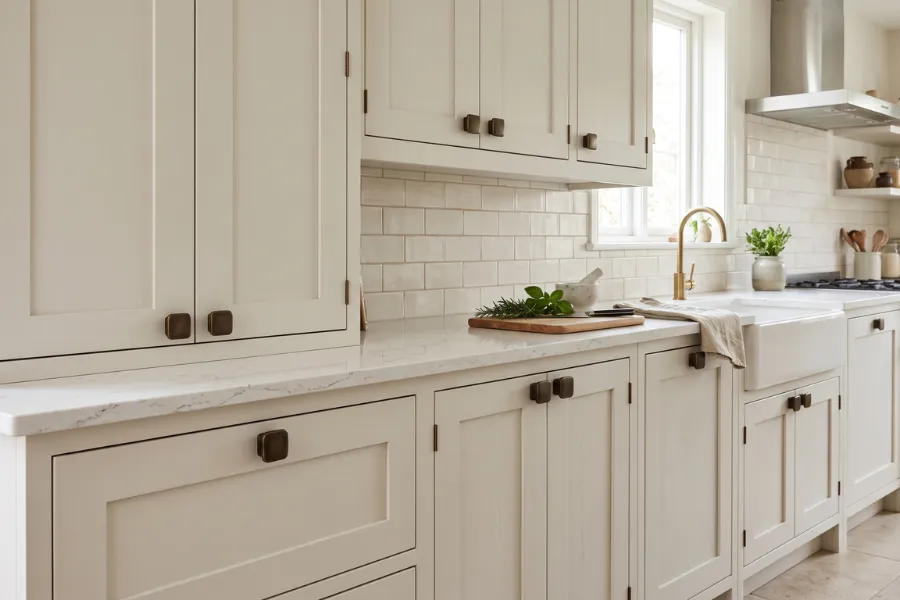
Mass-produced hardware rarely captures the spirit of true Craftsman style. Handcrafted pieces bring authenticity that machines cannot replicate.
Rocky Mountain Hardware is known for sand-casting each piece by hand. This traditional method creates unique texture and character in every finish. Skilled artisans pour molten bronze into hand-packed sand molds. Each casting carries small, natural variations that machine-made hardware cannot match. This process reflects the same values found in early Craftsman workshops. Skilled hands, not assembly lines, shape the final product.
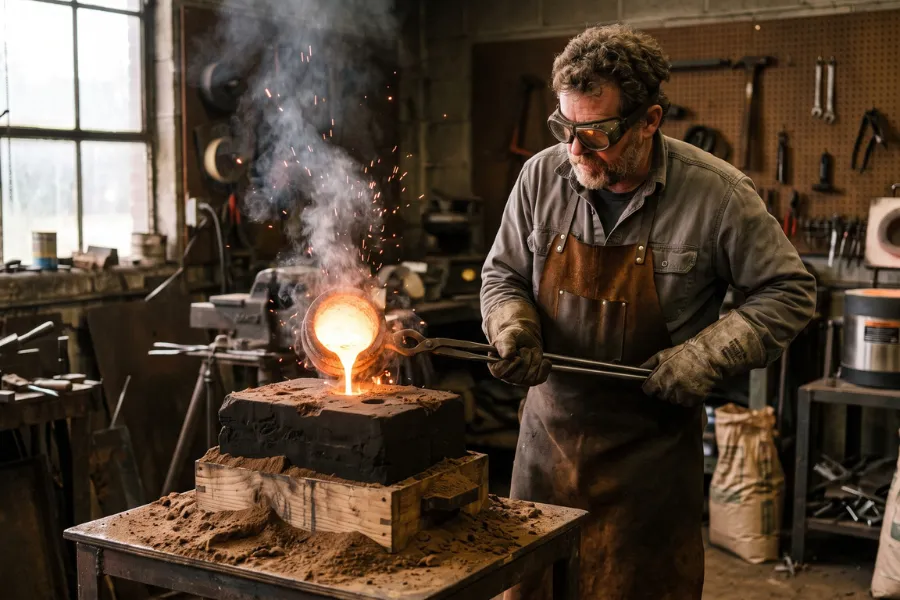
Hand-applied finishes develop character over time. Bronze and iron finishes often deepen and soften with years of use. This aging process mirrors the natural wood surfaces found throughout Craftsman interiors. Both materials grow richer, not worse, with age. Homeowners who want lasting patina should choose living finishes over sealed, static coatings. They reward years of daily use.
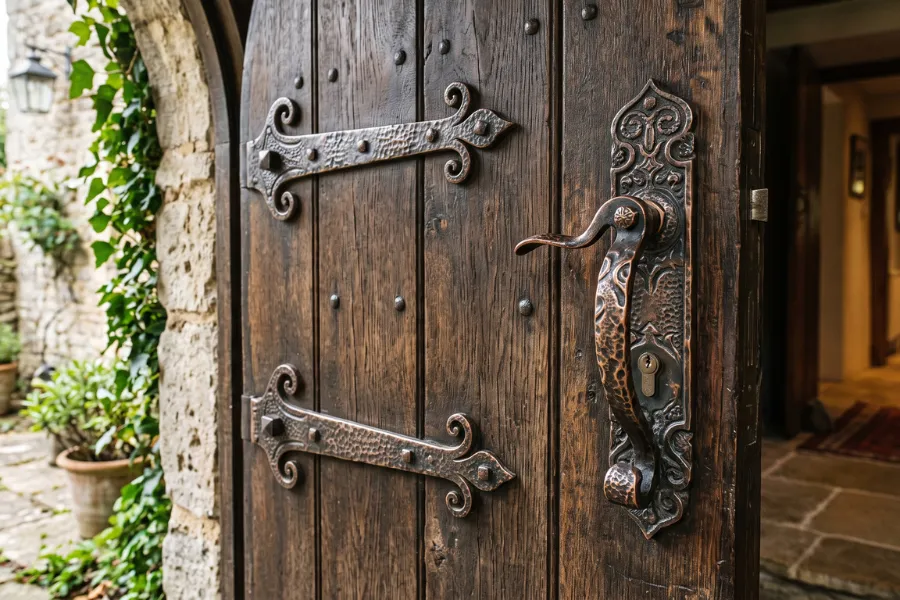
Custom hardware allows homeowners to match Craftsman details exactly to their space. Sizing, finish, and pattern can all be tailored. This flexibility matters for older homes with unique door and cabinet dimensions. Custom pieces solve fit issues that stock hardware cannot. Working with a custom hardware maker also ensures long-term consistency across an entire home’s design. Homeowners can also request custom finishes to match existing metals, like light fixtures or plumbing. This attention to detail elevates a whole-home renovation or new build alike.
Craftsman design principles apply across an entire home. Each room offers its own opportunities for warmth and craftsmanship.
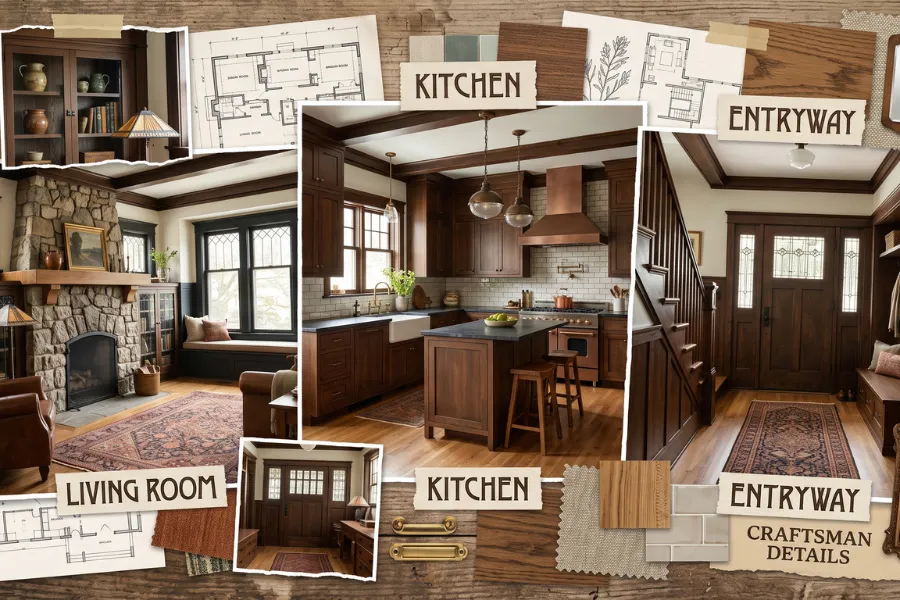
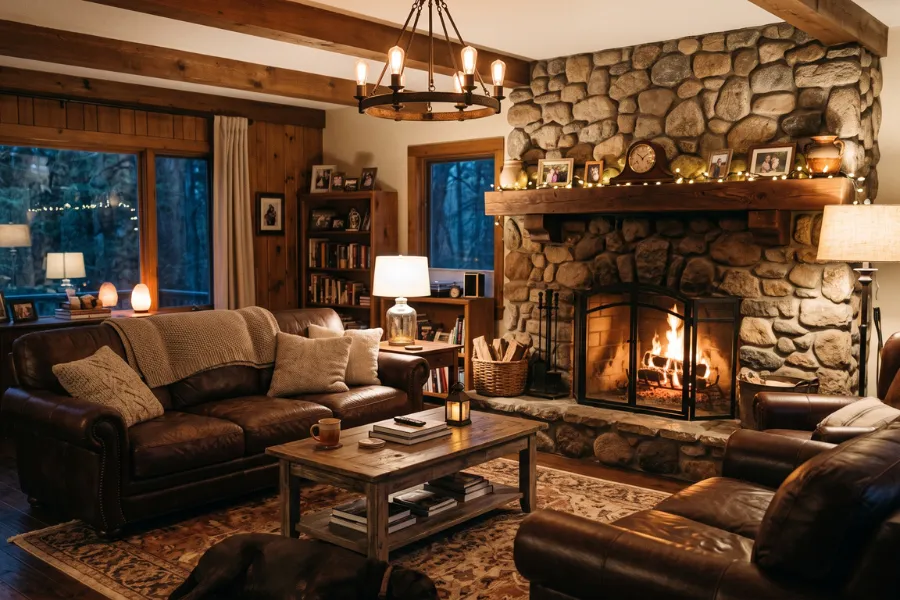
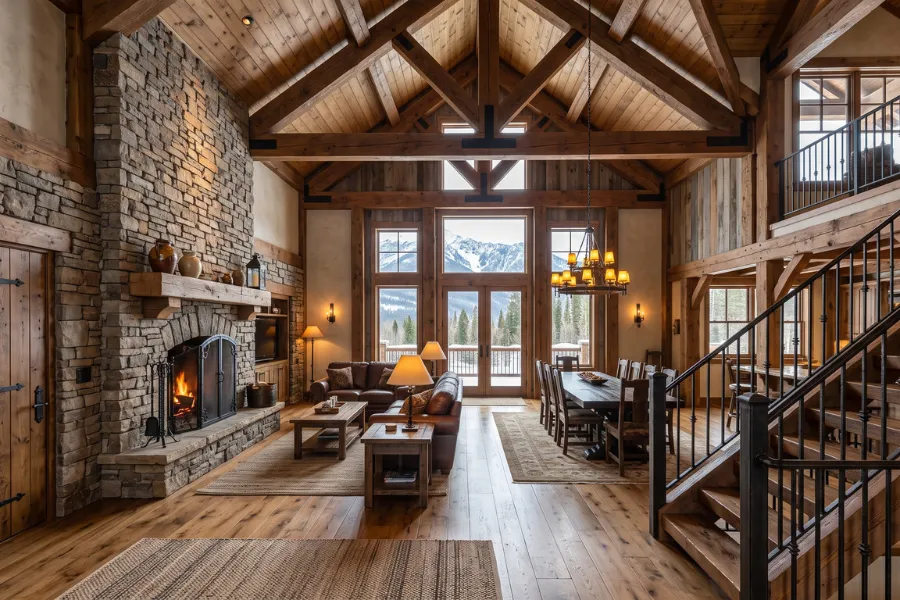
Living rooms and family rooms benefit from exposed beams and built-in seating. A stone fireplace often anchors the whole space. Layer in leather furniture and warm lighting for a cozy gathering spot. These rooms should feel inviting for long evenings together. Consider adding a window seat beneath a grouped window arrangement. This small built-in feature reflects the practical, purposeful spirit of the original movement.
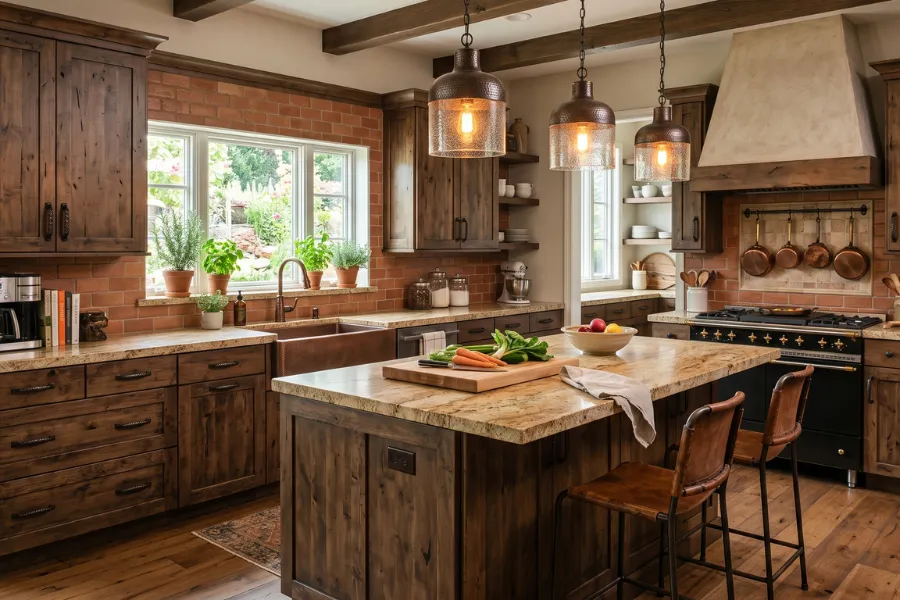
Kitchens shine with wood cabinetry, hammered hardware, and warm stone counters. Open shelving adds a handcrafted, lived-in feel. Dining spaces pair well with sturdy wood tables and simple pendant lighting. Bar areas can highlight custom hardware as a focal detail. A well-placed farmhouse sink or apron-front basin adds another authentic touch. Paired with warm brass or bronze fixtures, it completes the handcrafted kitchen story.
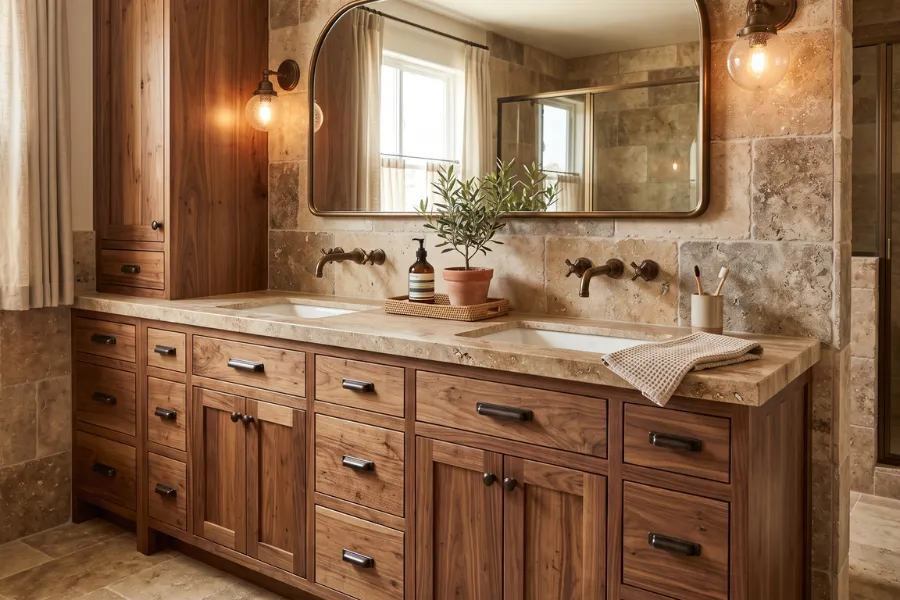
Bathrooms benefit from natural stone, warm wood vanities, and bronze fixtures. These choices keep the Craftsman feeling consistent throughout the home. Simple tile patterns and muted colors work better than bold, busy designs. Restraint keeps these spaces calm and grounded.
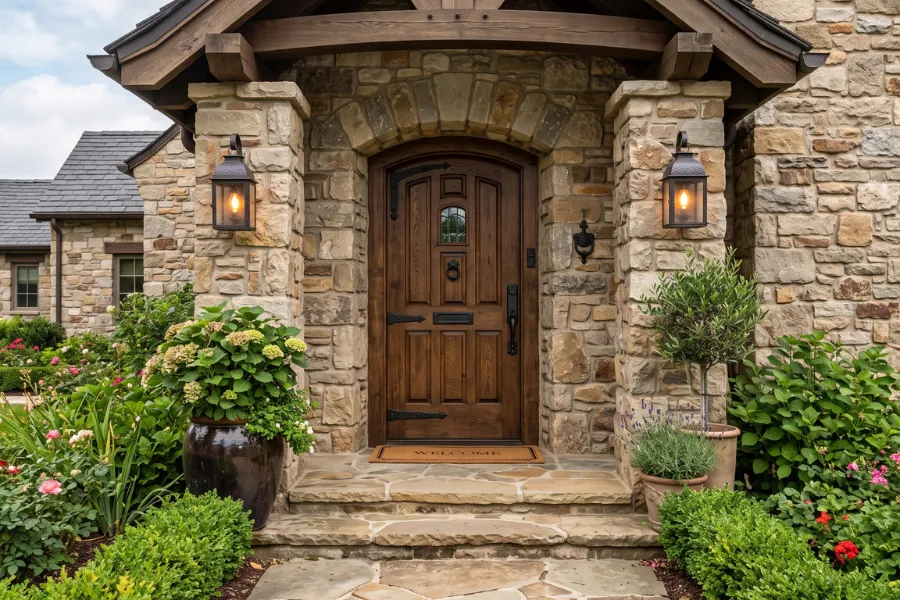
Entryways set the tone with wood doors, hammered hardware, and stone accents. A well-designed entry welcomes guests into the home’s character. Outdoor spaces like porches extend Craftsman style outward. Wood columns, stone bases, and simple railings continue the architectural language outside.
Craftsman interior design has survived more than a century because it values honesty, skill, and warmth. These qualities never really go out of style. Modern homeowners can honor this tradition by choosing real materials and handcrafted details. Every wood beam, stone surface, and cast hardware piece tells part of the story.
Whether restoring an original bungalow or building new, Craftsman design offers a timeless foundation. It rewards patience, quality, and attention to detail at every turn. Working with experienced architects, cabinetmakers, and hardware artisans helps preserve this authenticity. Their expertise ensures every detail, from beams to hardware, meets the standard this style demands.
The 3-5-7 rule suggests grouping decor items in odd numbers, like three, five, or seven pieces. Odd groupings tend to look more natural and visually balanced than even ones.
Craftsman interior design features exposed wood beams, built-in cabinetry, natural stone, and warm color palettes. Handcrafted hardware and visible joinery also define the style.
The main types include the bungalow, the four-square, the mission style, and the prairie style. Each shares Craftsman roots but differs slightly in form and layout.
Yes, Craftsman style has seen a strong resurgence in recent years. Homeowners are drawn to its warmth, natural materials, and lasting quality.
Popular Craftsman colors include deep browns, olive greens, warm golds, and muted reds. These earthy tones reflect the style’s connection to nature.