Physical Address
304 North Cardinal St.
Dorchester Center, MA 02124
Physical Address
304 North Cardinal St.
Dorchester Center, MA 02124

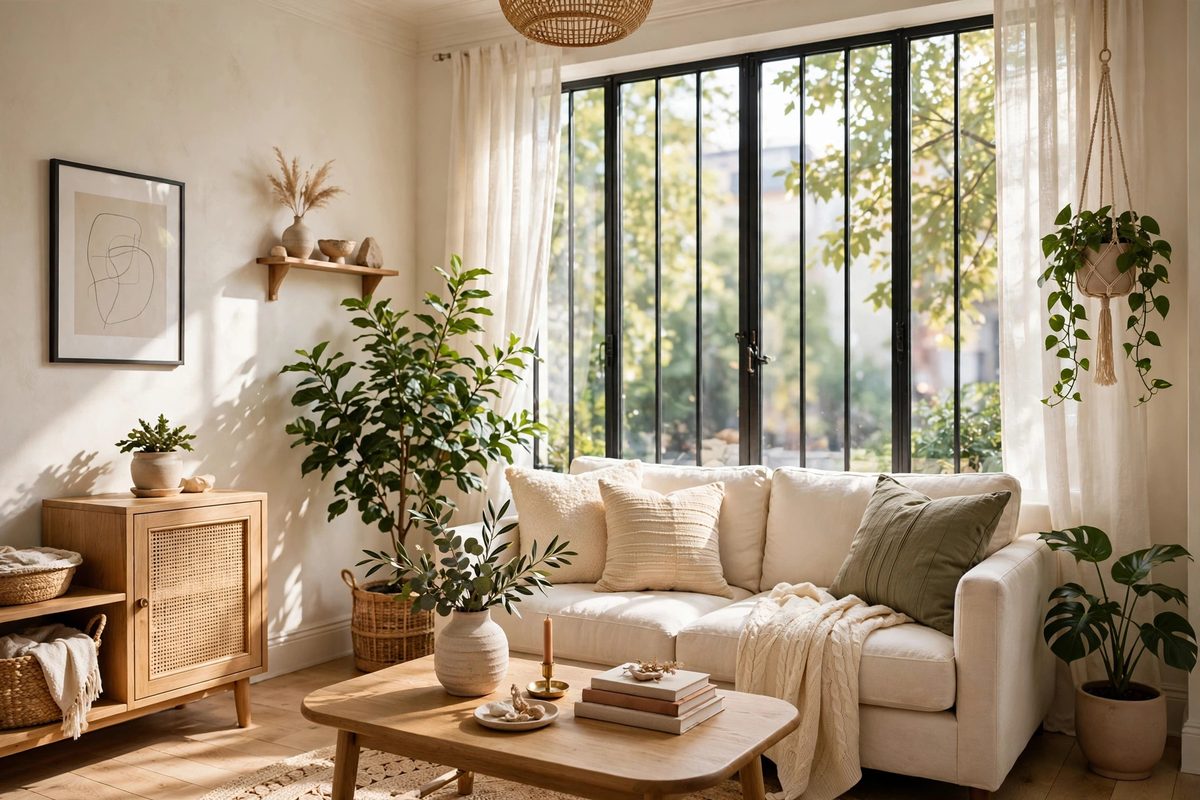
Look, I’ll be honest — when I first moved into my tiny apartment, I stood in the middle of my living room (all 12 square meters of it) and just… stared. How was I supposed to fit a sofa, a TV, AND have it not look like a furniture warehouse exploded?
Turns out, small living rooms are secretly great. They force you to actually think about what you bring in, and that always — always — leads to a room with more personality than some sprawling open-plan box. I’ve spent years figuring this stuff out, mostly through trial and error (and one truly terrible bookshelf purchase I don’t talk about).
So here are 71 small living room ideas that actually work. Not theory. Stuff I’ve tried, seen, or stolen from friends with suspiciously good taste. Let’s go.
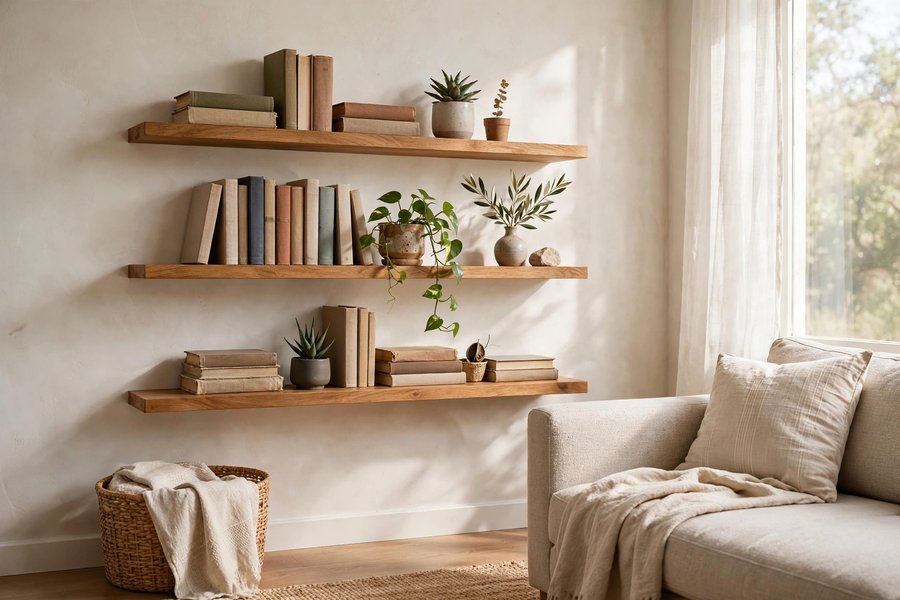
That bulky bookcase eating half your wall? Get rid of it. Floating shelves do the same job while making your ceiling look taller — it’s honestly kind of magic how well this works. Books, a plant, that weird ceramic thing your aunt gave you. It all looks intentional up there.
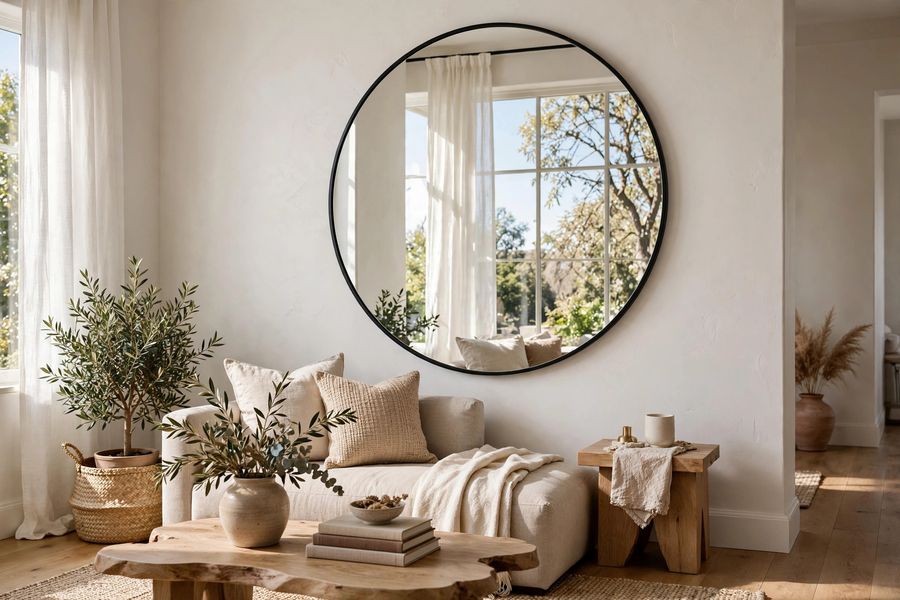
If you do ONE thing from this list, make it this. A big round mirror opposite your window literally doubles the light in the room. I was skeptical too, until I hung one and my living room went from “cozy” (read: dark) to actually bright. The round shape helps — breaks up all the rectangles.
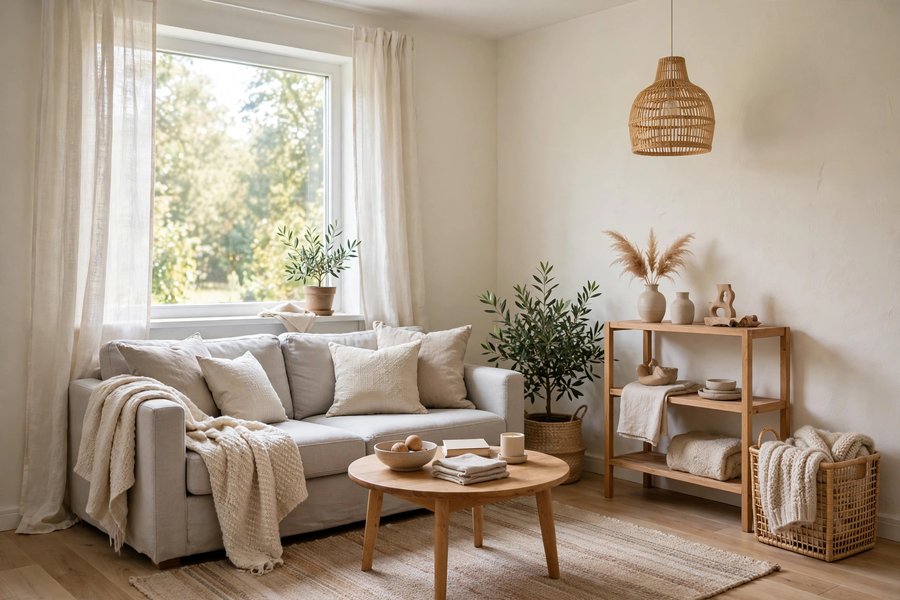
Stark white walls in a small room can feel… clinical. Like a dentist’s office. Cream, though? Warm, glowy, forgiving. It bounces light around without that cold blue-ish tint. If you’re repainting anyway, this is the safest bet you’ll ever make.
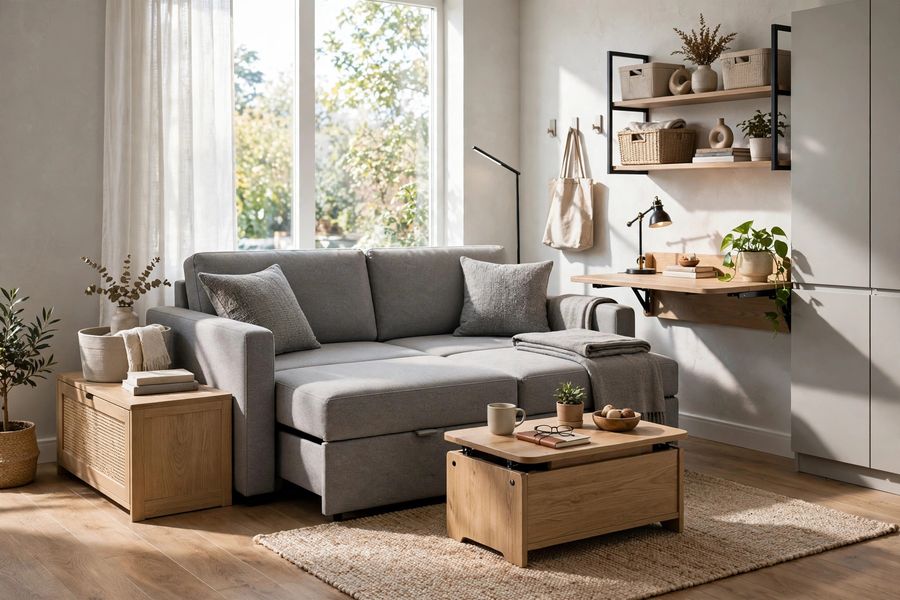
Okay, I know what you’re thinking — sofa beds, lumpy nightmares, bad backs. But modern ones? Genuinely fine. The click-clack styles fold flat in about three seconds, and guests won’t hate you in the morning. If your living room doubles as a guest room (whose doesn’t, at this size?), this is non-negotiable.
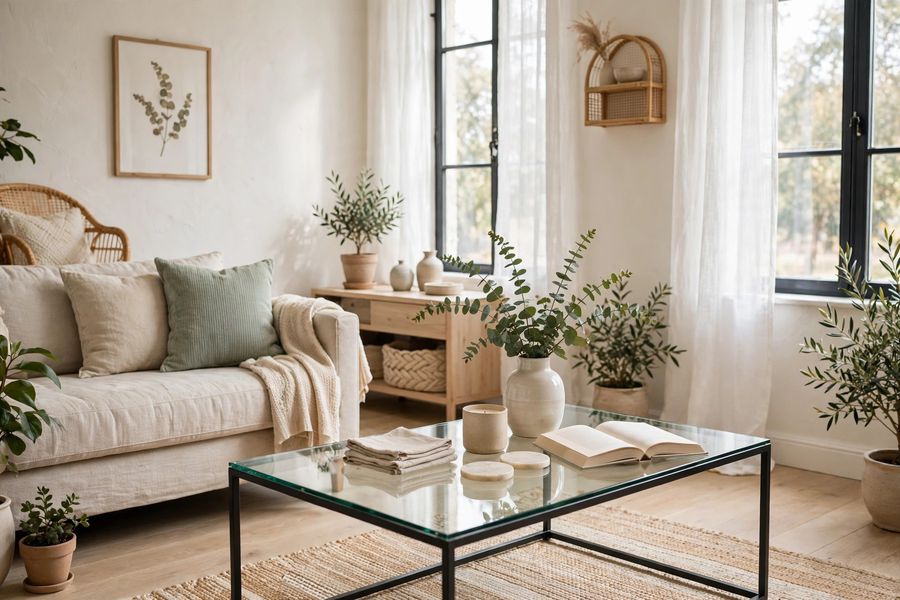
A glass coffee table is basically cheating. Your eye goes straight through it to the floor, so your brain registers “more space” even though nothing actually changed. Put a textured rug underneath so it doesn’t feel too cold. Done.
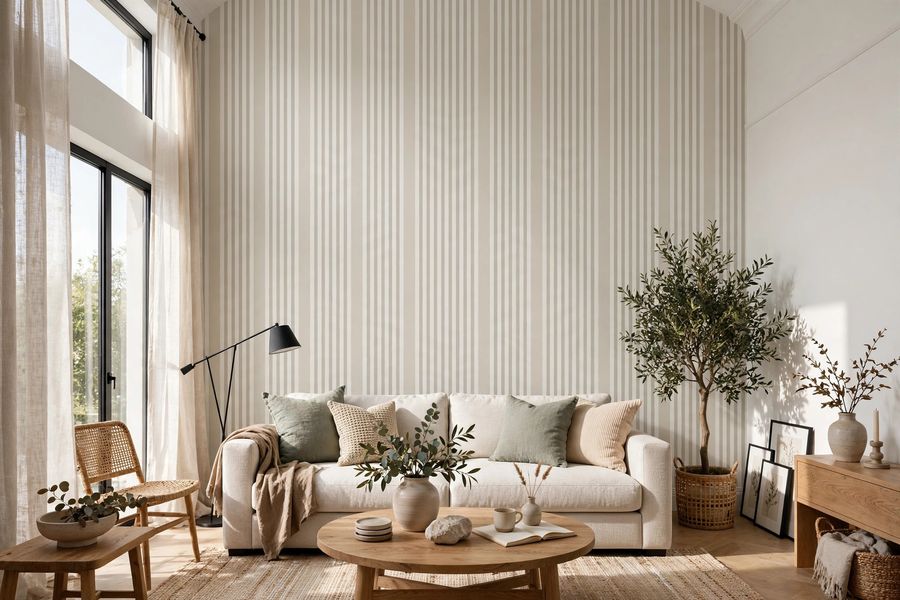
Oldest trick in the book, and it still works. Vertical stripes drag the eye upward, ceilings look taller, everyone’s happy. Just keep it subtle — tone-on-tone, not circus tent. You want texture, not a headache.
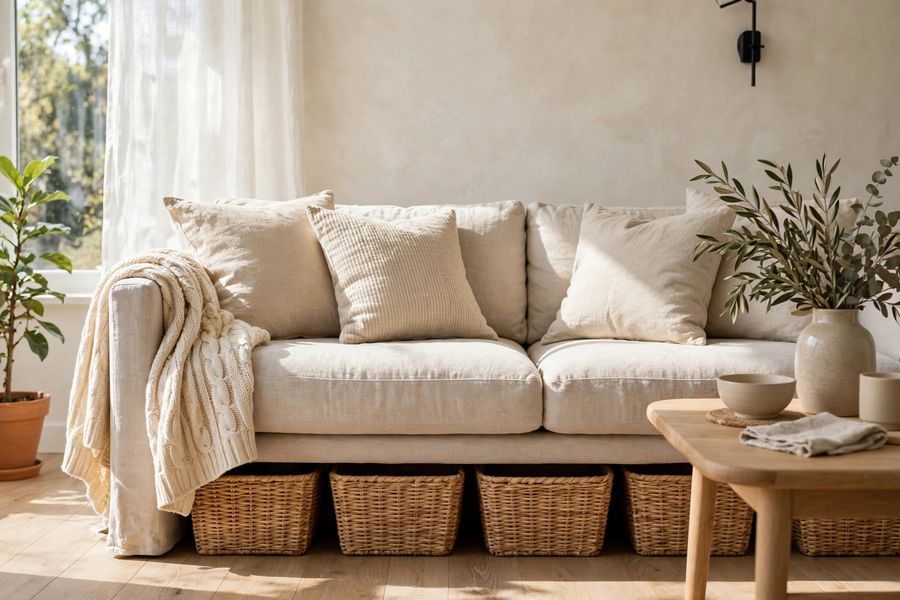
There’s like 15cm of dead space under most sofas just… sitting there. Doing nothing. Slide in some low baskets and suddenly you’ve got homes for throws, magazines, the three remote controls that somehow multiply. Took me an embarrassingly long time to think of this.
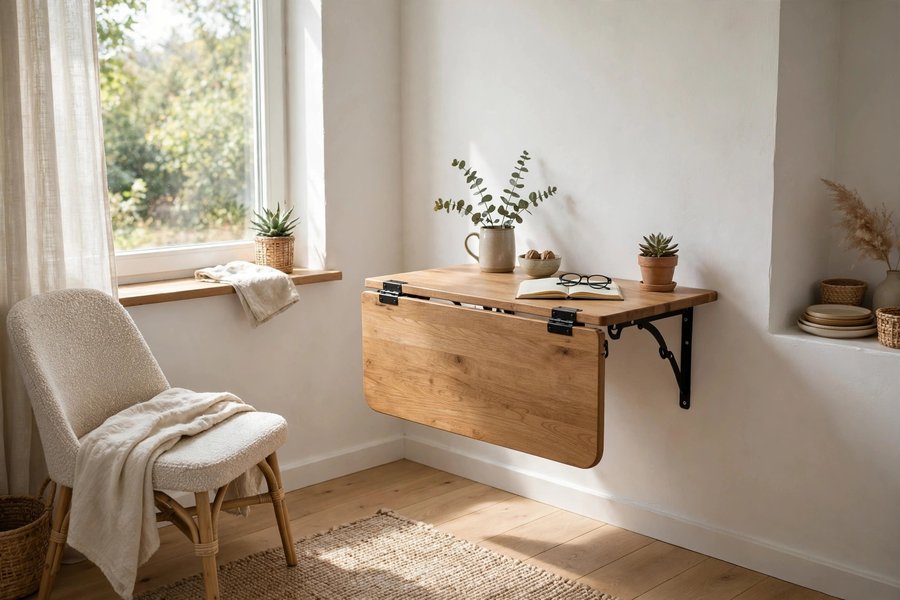
This thing folds flat against the wall when you’re done. DOWN for dinner or laptop work, UP when you want your room back. I’ve seen people use them as desks, dining tables, even a bar setup. In a small space, furniture that disappears is worth its weight in gold.
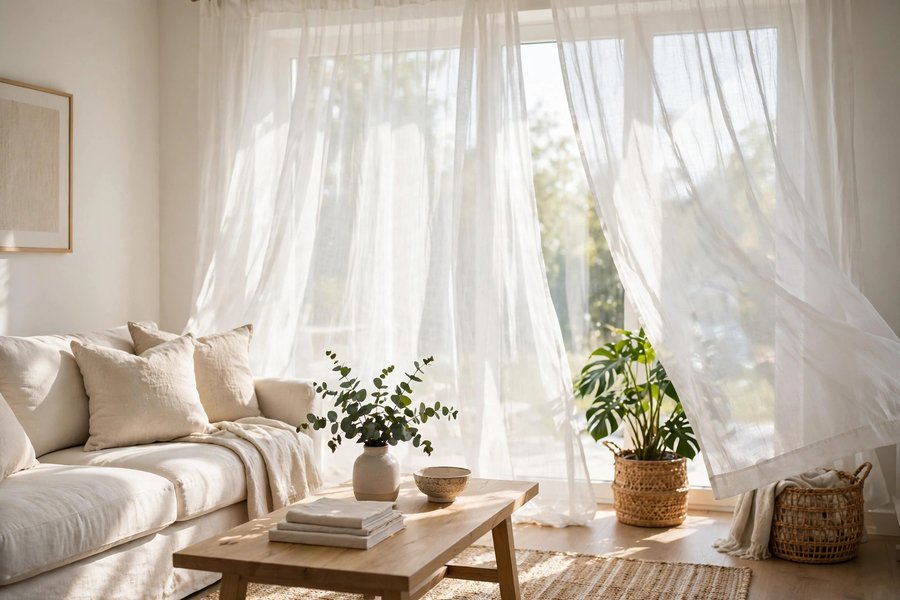
Heavy curtains in a small room are like wearing a winter coat indoors — technically functional, but why? Sheers let the light pour in while keeping things private, and if you hang them high and wide, your windows look twice as big. Costs almost nothing. Huge payoff.
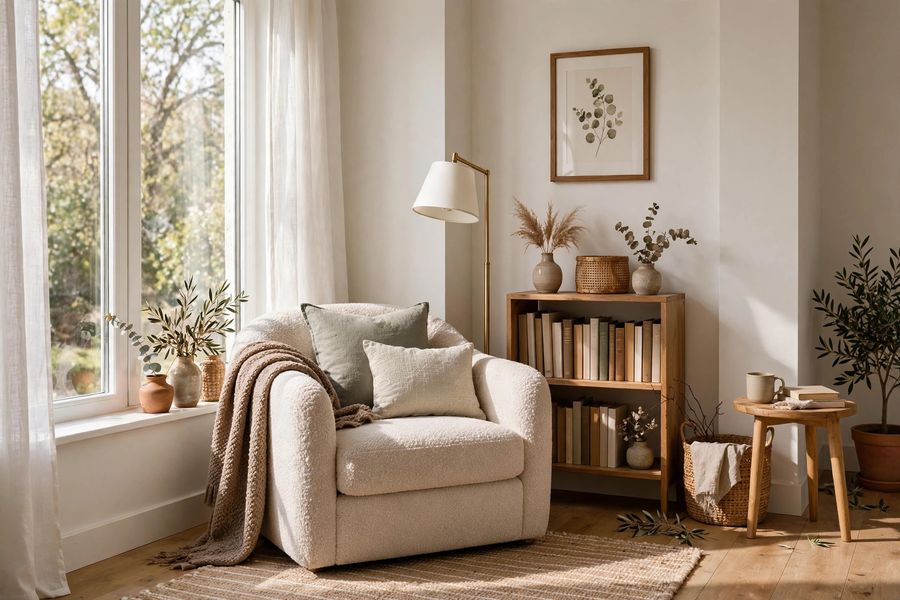
You know that awkward corner where nothing fits and dust goes to die? Put a chair there. Add a lamp and a small table. Throw a blanket over the arm. Congratulations, you now have the best seat in the house and it cost you maybe an afternoon of rearranging.
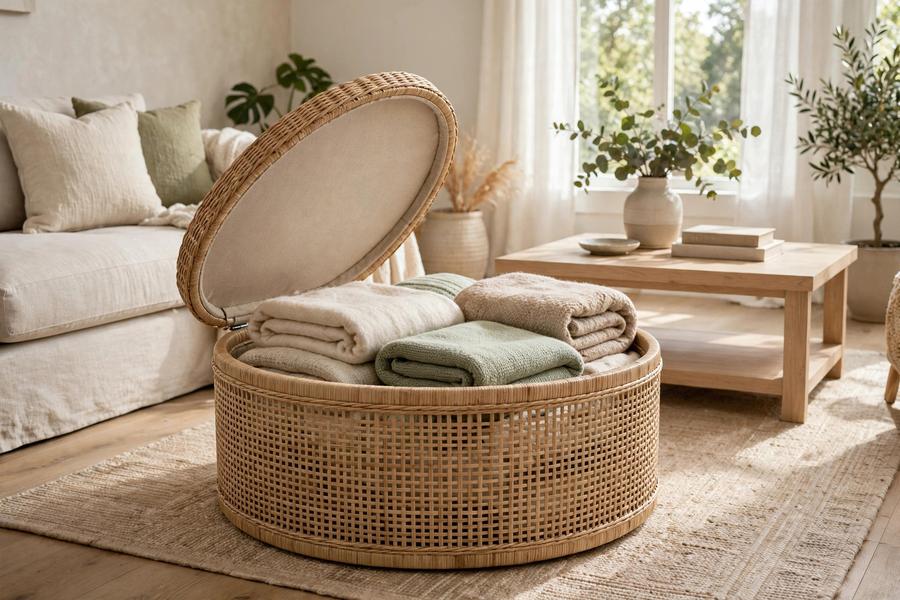
Footrest. Blanket chest. Emergency seat when six people show up and you own four chairs. The storage ottoman does all three and asks for nothing in return. Get one in a fabric that can survive real life — you’ll thank me when someone spills red wine on it.
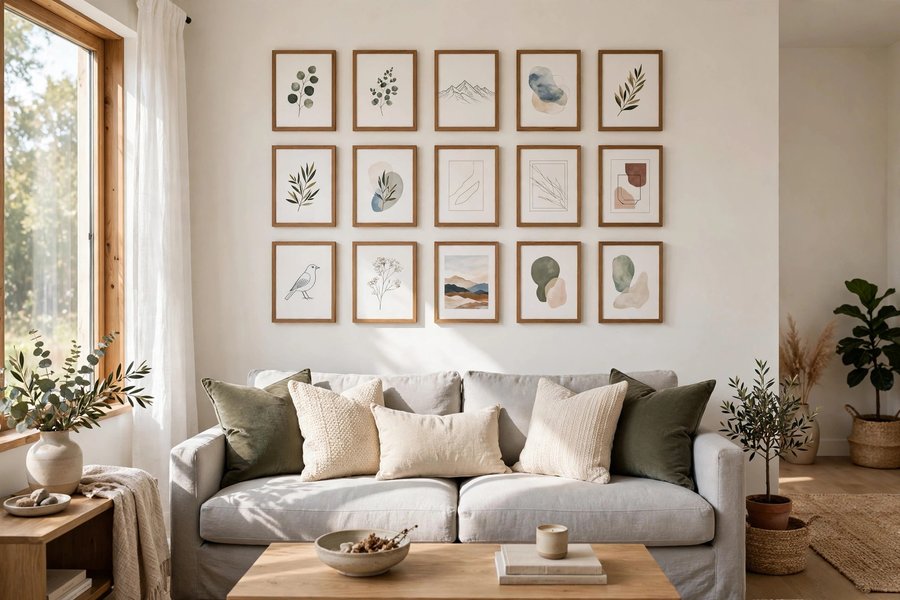
People think gallery walls need a huge empty wall. They don’t. A tight cluster of small frames above the sofa looks deliberate and artsy, not cluttered — the trick is keeping them close together. Gaps are the enemy. Fill every awkward inch.
If your sofa floats in the middle of the room, there’s this weird dead zone behind it. A slim console table fills it perfectly — barely 25cm deep, but now you’ve got a spot for a lamp, some books, a trailing plant. It also makes the whole seating area feel more “designed” and less “furniture just… ended up here.”
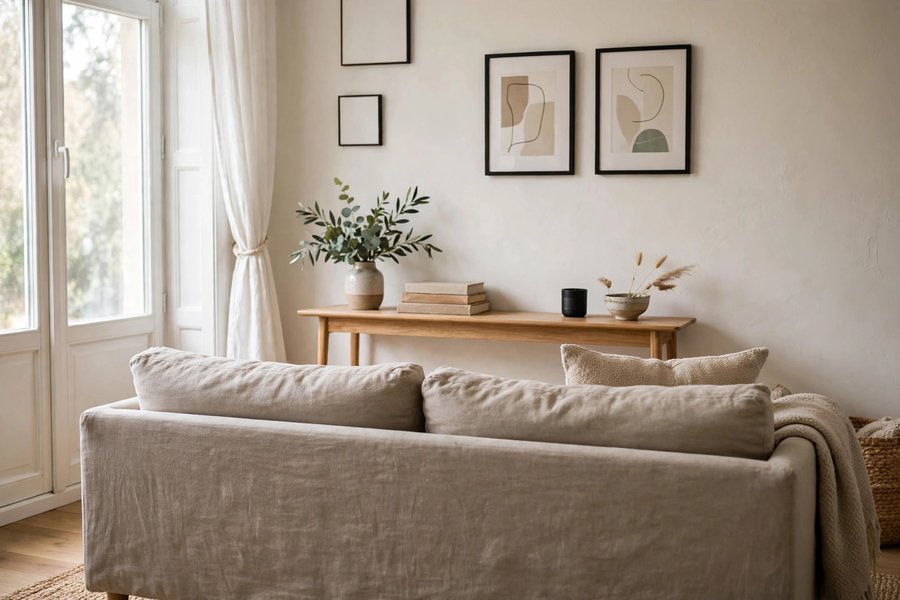
No side table? No problem. An arc lamp swoops right over your reading chair and gives you proper overhead light without needing a surface to sit on. The brass ones especially — they warm up the whole corner. Looks expensive. Isn’t, necessarily.
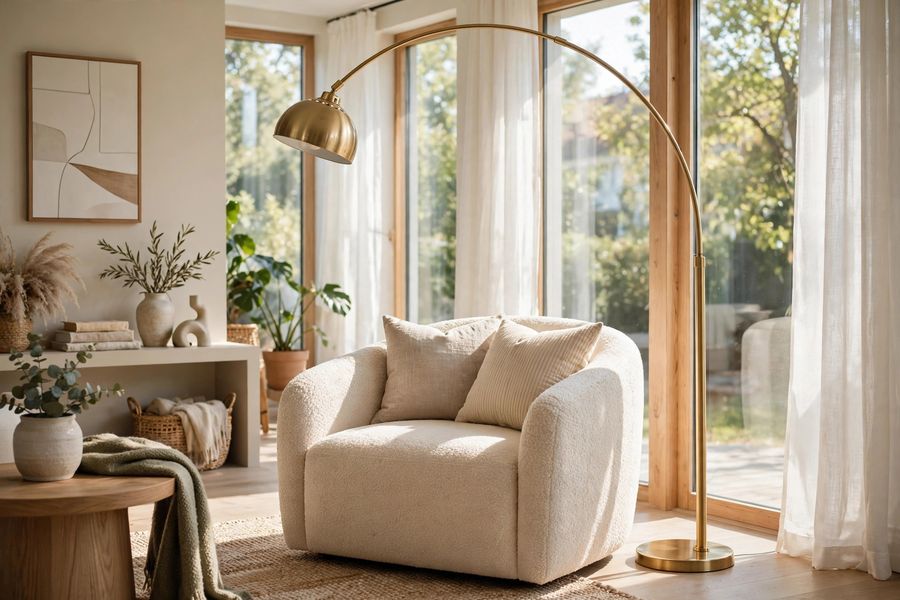
Jute is the quiet overachiever of rugs. Adds warmth and texture, doesn’t scream for attention, goes with literally everything. Your seating area suddenly looks “grounded” (designer word, but it fits). Pro tip: rug pad underneath. Non-negotiable. Your feet will know the difference.
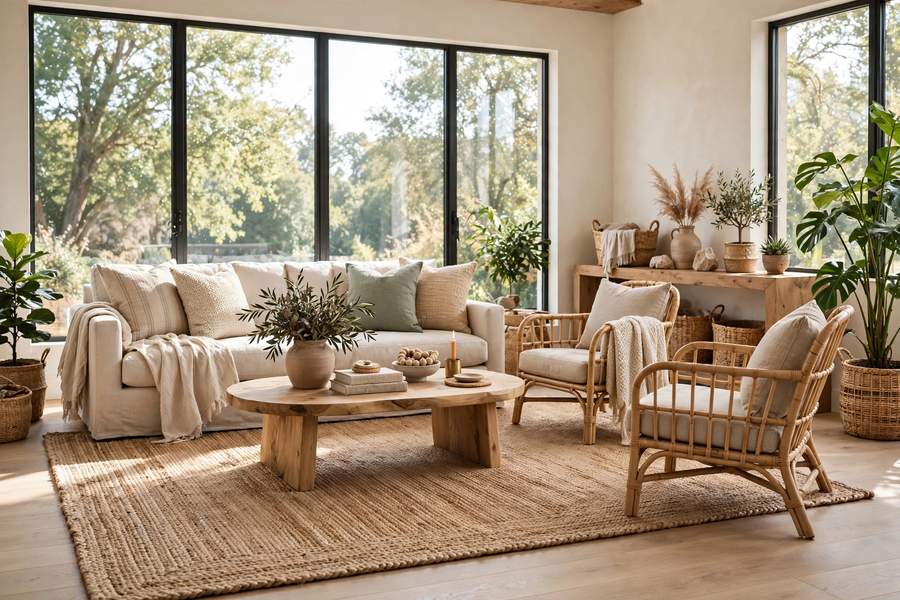
That chunky media console is stealing a good half-meter of floor space. Mount the TV on the wall — get one of those arms so you can angle it — and the space underneath is suddenly free. Run the cables through a cord cover, paint it the wall color, and the whole thing basically vanishes.
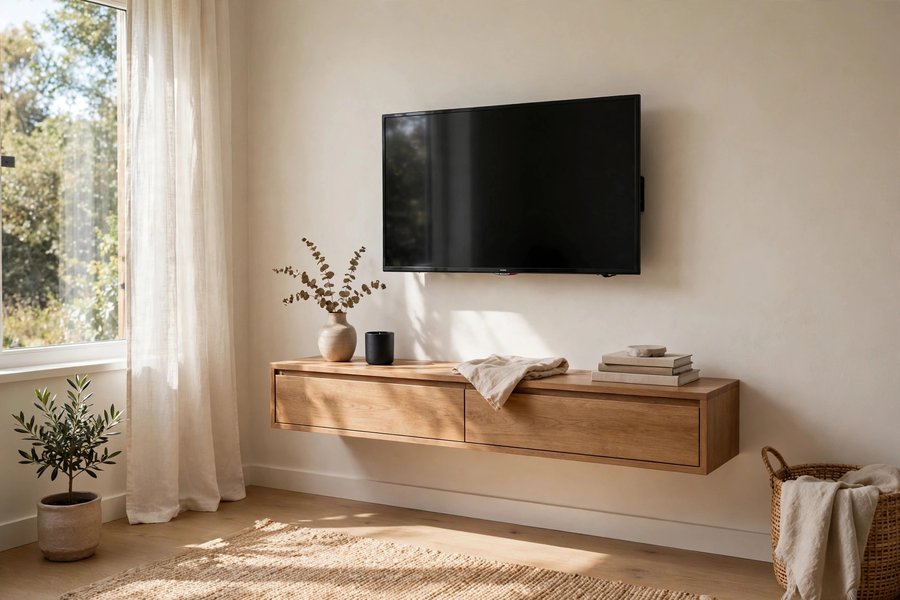
Two tables. One footprint. Pull the small one out when you need somewhere to put your tea, tuck it back when you don’t. It’s such a simple concept I can’t believe it took furniture designers this long. When nested, they take up barely more space than a dinner plate.
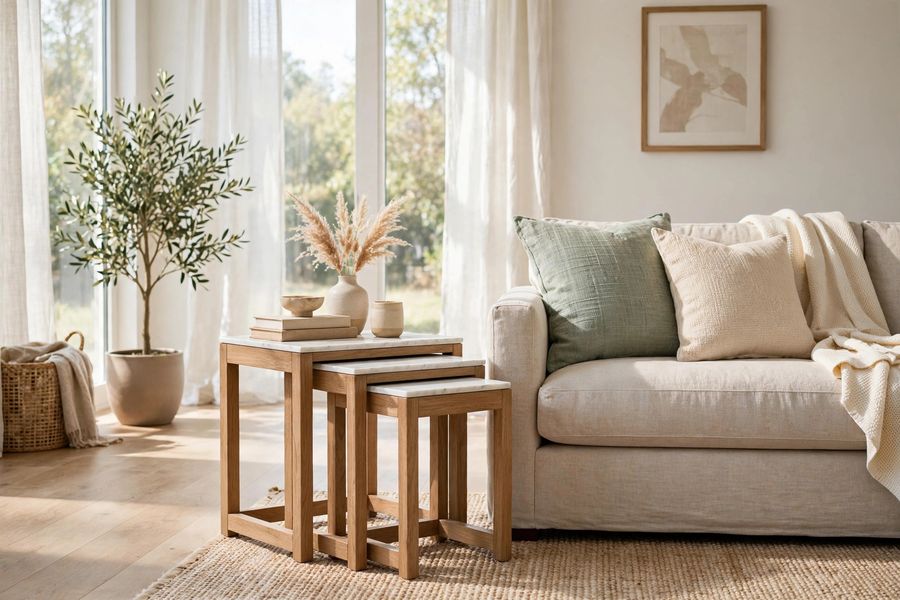
Dark heavy furniture in a small room is like wearing all black to look slimmer — except it doesn’t work here. It just makes everything feel weighed down. Light woods (ash, birch, pale oak) reflect light and keep things feeling breezy. Same function, completely different vibe.
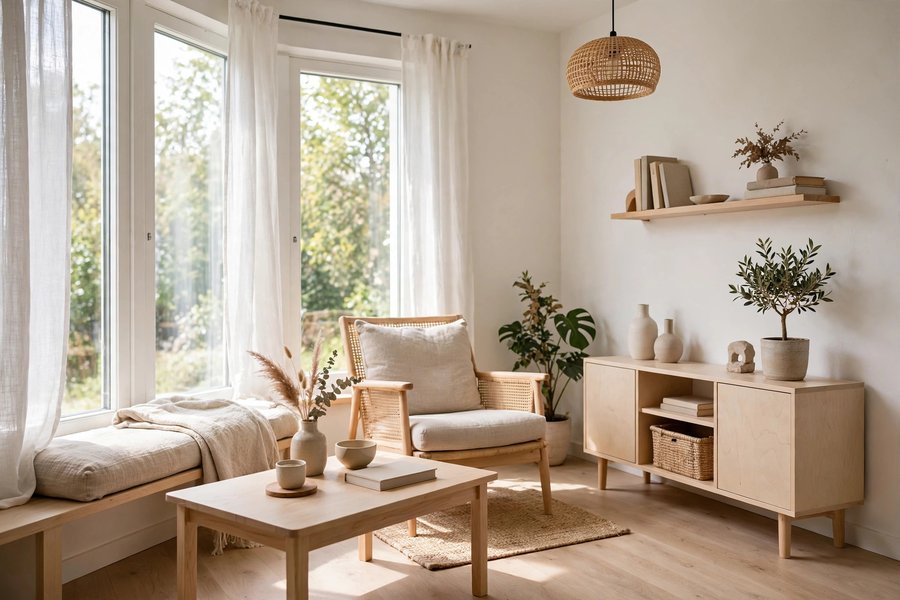
Corners in small rooms tend to just… sit there, empty and sad. A tall skinny plant fills the vertical space without eating floor area, and draws your eye up. Fiddle leaf figs are the classic choice. Fair warning: they’re dramatic. They’ll drop leaves if you look at them wrong. A good faux one? Zero judgment from me.
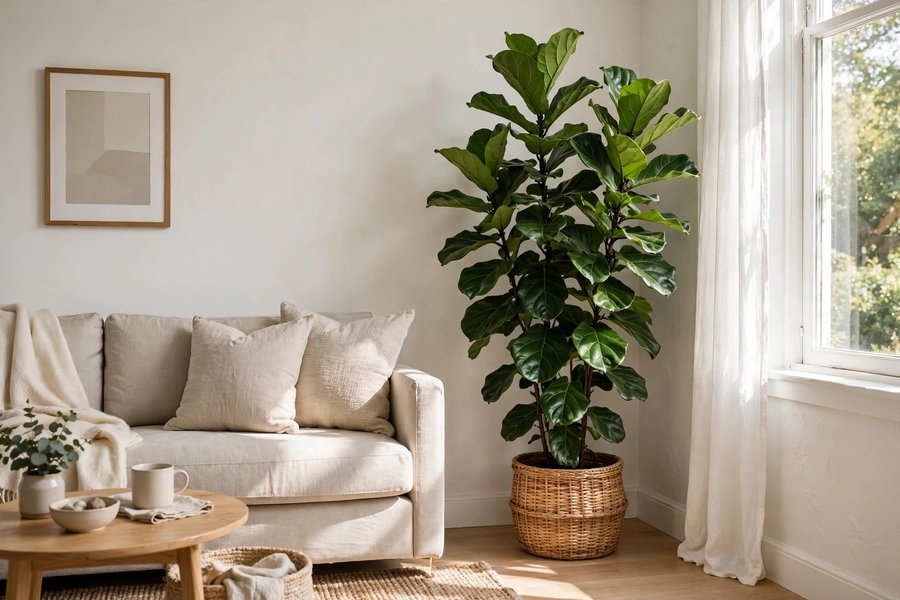
Runners aren’t just for hallways. Lay one along the length of a small living room and it visually stretches the space — same reason vertical stripes work on walls. It can also carve out a “pathway” in an open-plan layout so the room doesn’t feel like one big undefined blob.
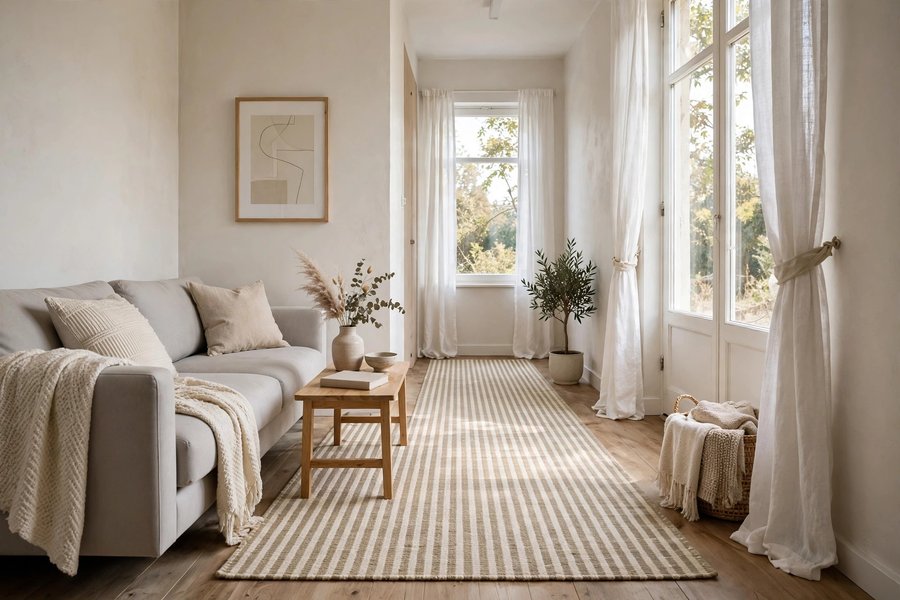
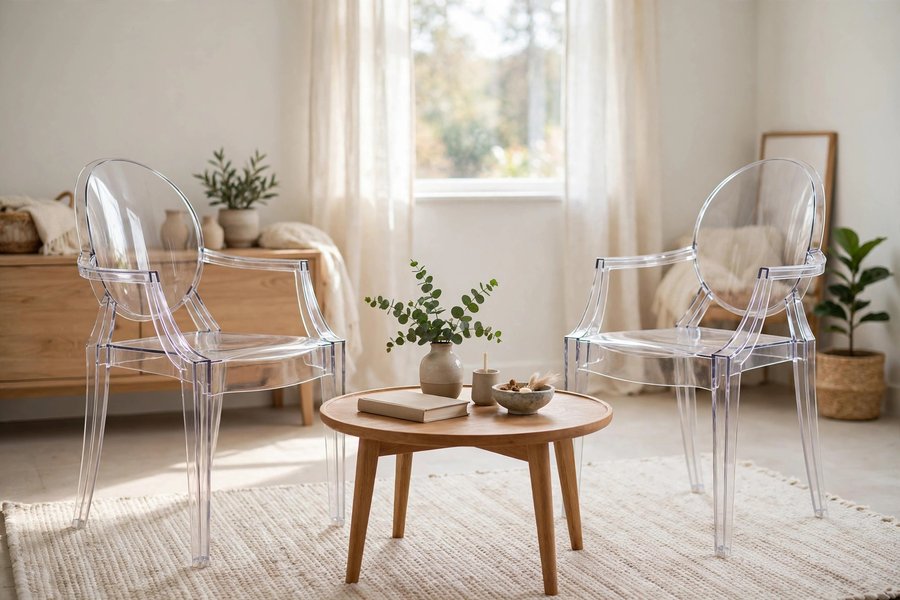
Need an extra seat but don’t want the visual clutter? Ghost chairs. They’re clear acrylic, so your eye basically skips right over them. Sounds gimmicky, works brilliantly. And they’re tougher than they look — plus you can just wipe them down when someone spills… everything.
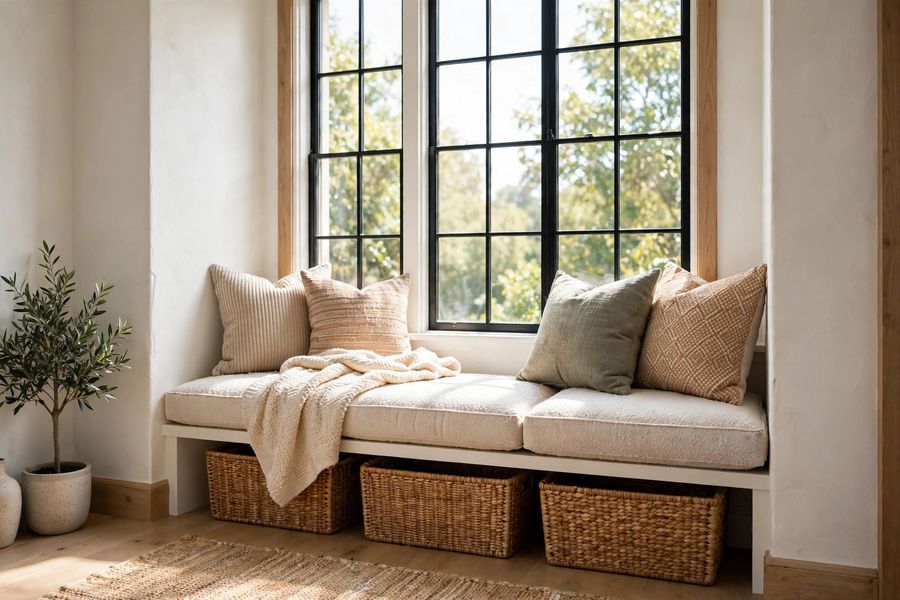
If your window sill has any depth at all, you’ve got a seat waiting to happen. Build (or buy) a bench under the window, stuff the base full of storage, throw a cushion on top. It becomes everyone’s favorite spot in about a day. There’s something about sitting in a window that just hits different.
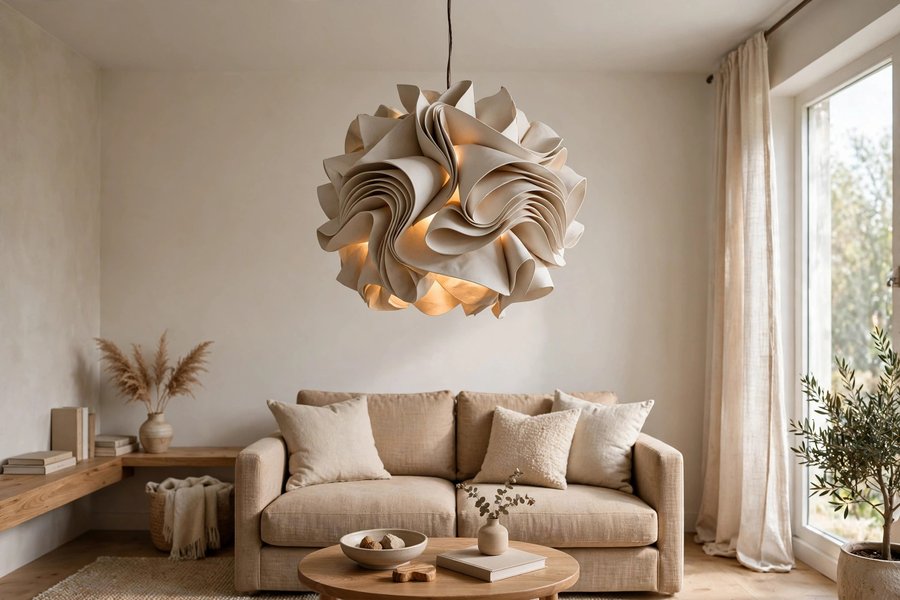
Here’s a controversial take: in a small room, go BIG with your light fixture. One bold pendant does more than five timid little lamps scattered around. It anchors the whole room, adds actual personality, and — bonus — doesn’t eat a single centimeter of table or floor space. Hang it low over the coffee table and watch the room transform.
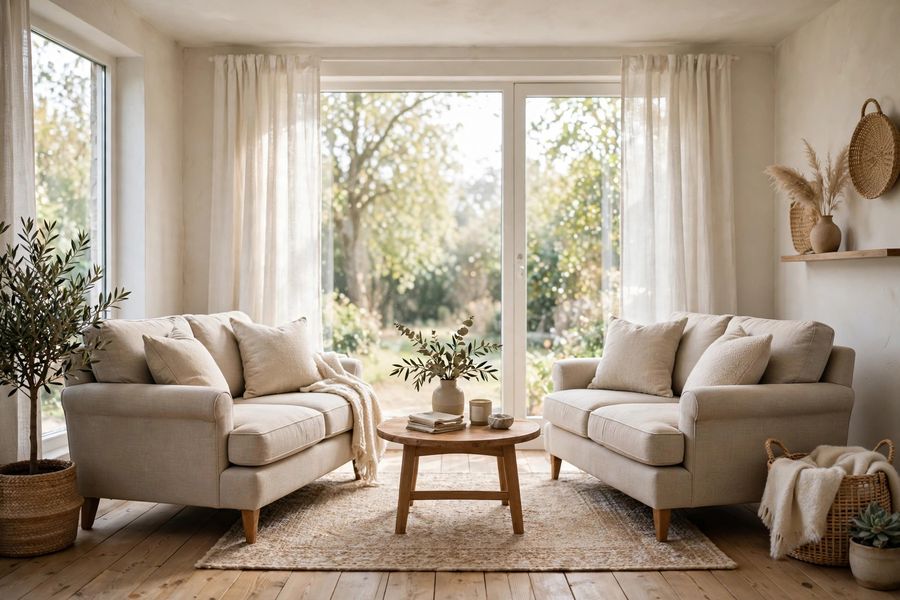
Everyone defaults to one big sofa. But two small loveseats facing each other? Way better for conversation, seats the same number of people (or more), and doesn’t visually swallow the room. Plus rearranging takes ten minutes instead of an hour and a sore back.
Nervous about committing to a bold rug? Layer a small patterned one over a big neutral one. If you hate it, you just remove the top layer — no harm done. It’s renter-friendly, cozy, and looks way more “designed” than it has any right to. Just make sure the two rugs are different enough in texture that it looks intentional, not accidental.
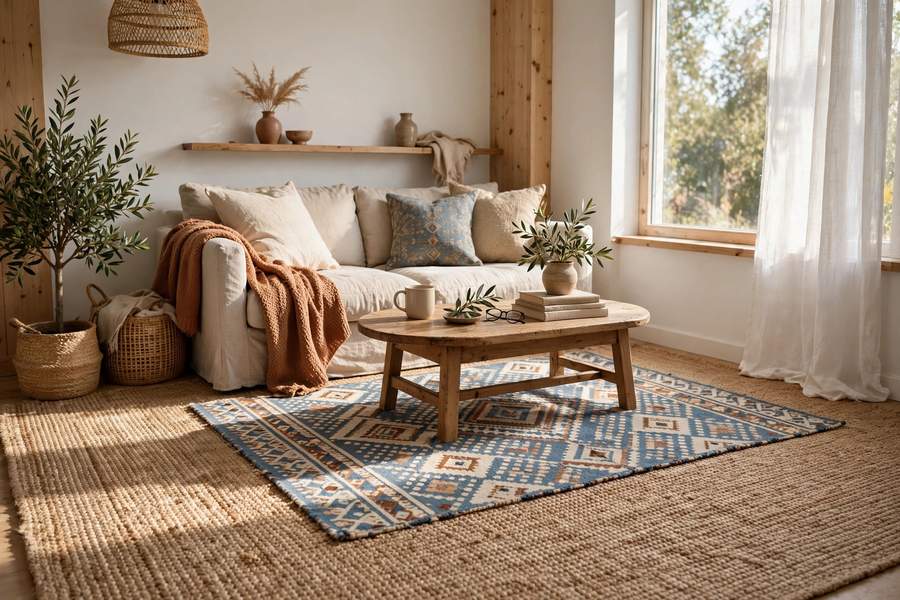
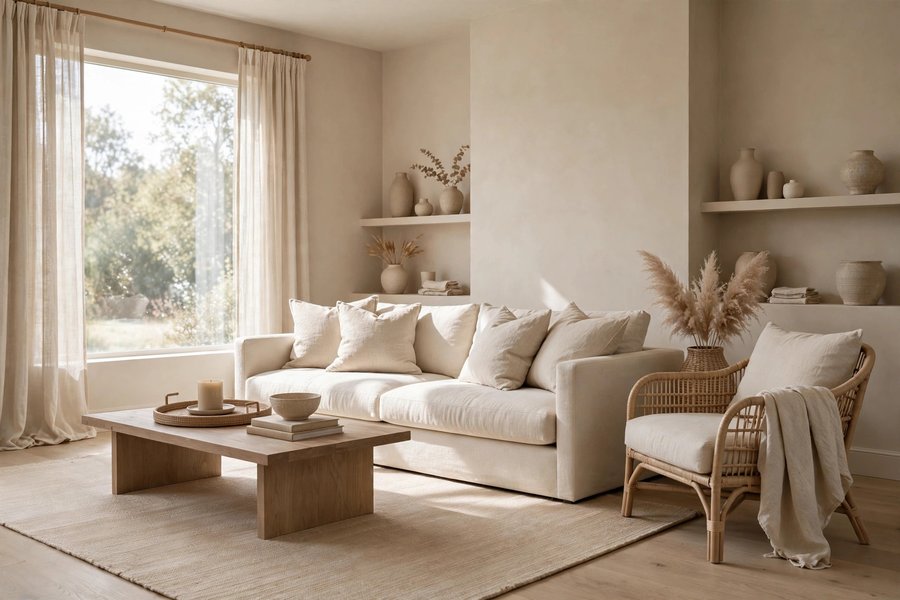
Beige gets a bad rap — “boring,” they say. But a whole room in layered beiges, from warm ivory to deep taupe? Incredibly calming. There’s no visual chopping-up of the space, so your eye just glides across and the room feels bigger. It’s the design equivalent of a deep breath.
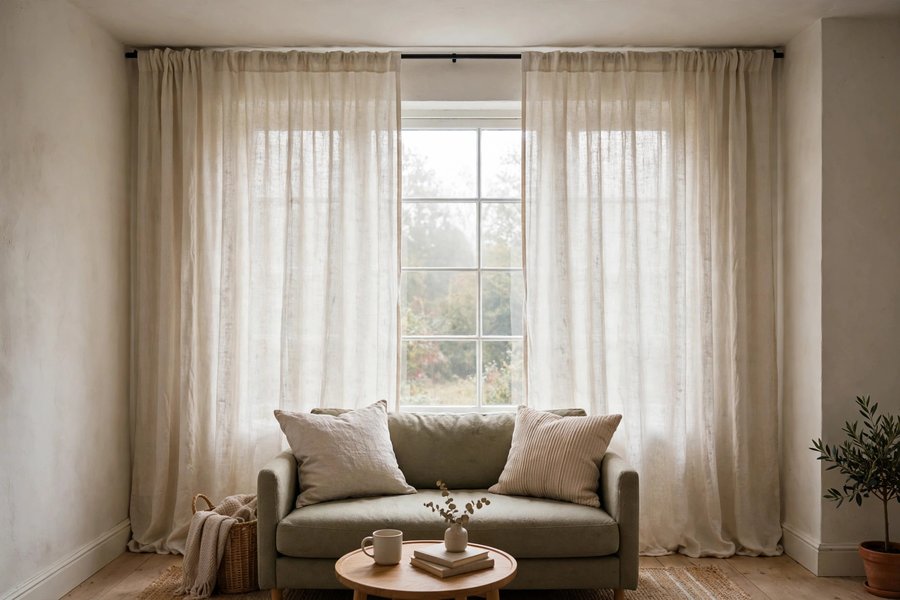
This is the one I tell literally everyone. Mount the rod as close to the ceiling as you can, let the curtains just kiss the floor. Your windows look enormous. Your ceilings look taller. It costs almost nothing and takes an afternoon. If you only try three things from this list, make this one of them.
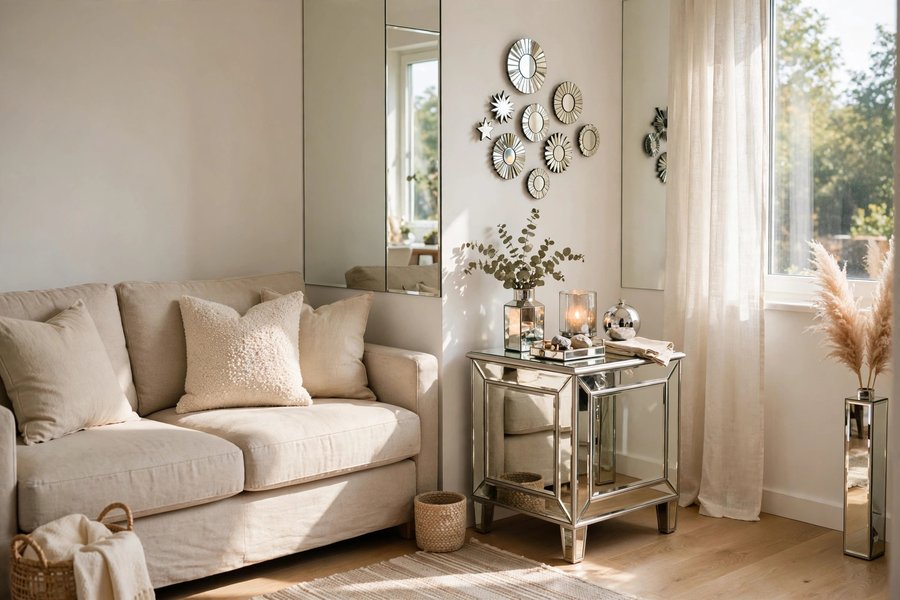
You’ve got the big mirror (idea #2, remember?). Now sprinkle in smaller reflective bits — a mirrored tray, a shiny side table, metallic frames. They bounce little pockets of light around like the room has its own lighting designer. Word of warning: restraint. Three or four touches, max. You’re going for “glam,” not “funhouse.”
Book people, I see you, and I have good news: you don’t need a hulking bookcase. A few wall-mounted shelves or one of those picture-ledge styles holds way more books than you’d think. Line the spines up for a proper library vibe, or mix in some art so it doesn’t look like a bookstore exploded. Your floor stays clear. Everybody wins.
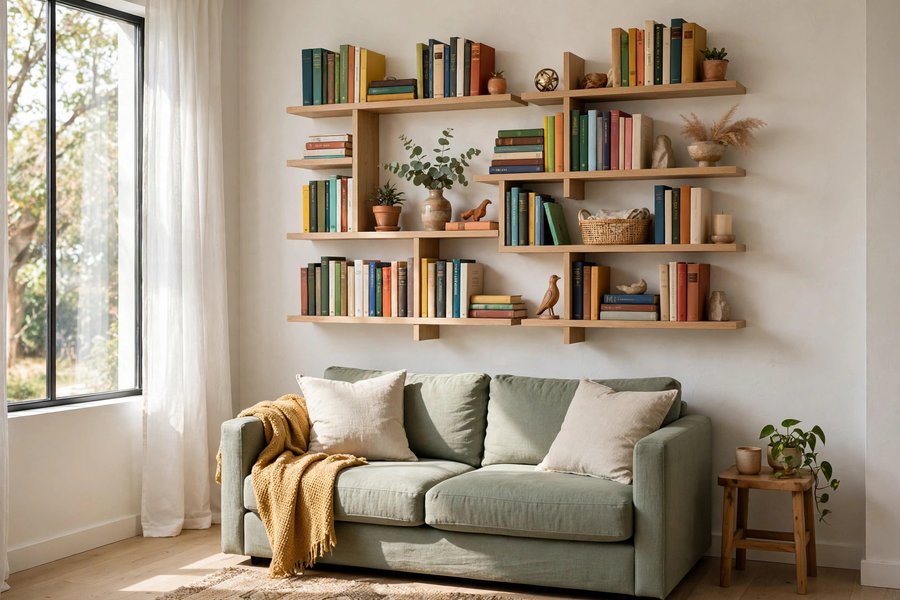
Living room pulling double duty as dining room? (Classic small-space life.) Go round. No corners to hip-check in the middle of the night, and round tables genuinely fit more people in less space. Get one with a pedestal base so you’re not playing footsie with table legs all through dinner.
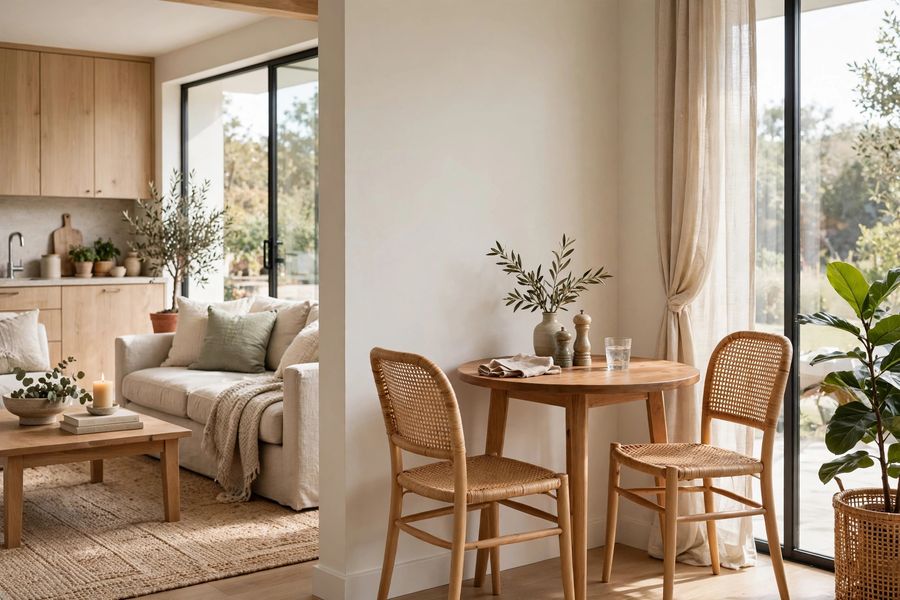
A light gray sofa is the Switzerland of furniture — neutral, inoffensive, goes with everything. But here’s the fun part: because the base is neutral, you can go wild with pillows and throws. Swap them seasonally, follow trends, get bored and change everything for under $50. Try doing that with a red velvet sofa.
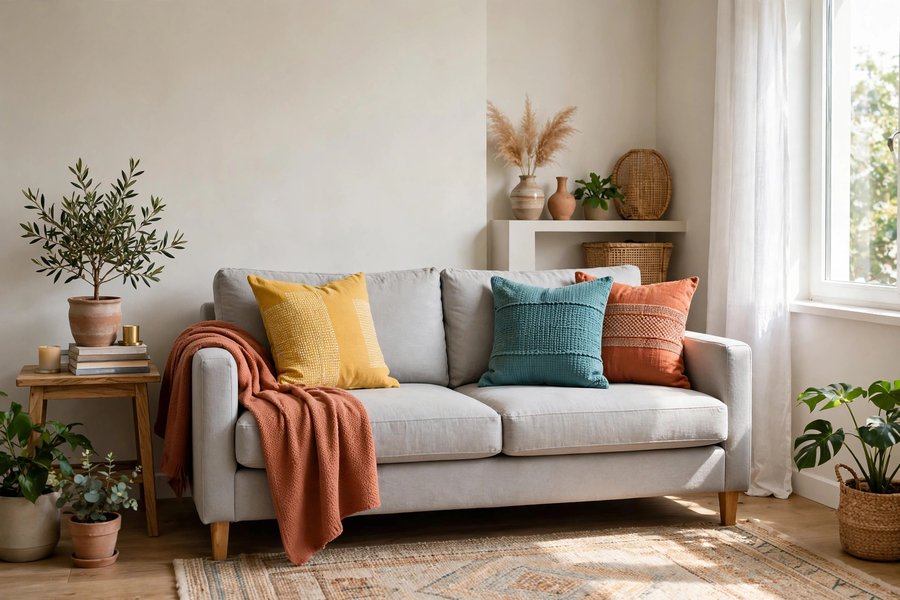
Closed cabinets in a small room can feel like the walls are closing in. Open shelves? Air flows through, light flows through, everything feels lighter. The catch — and it’s a real one — is you have to actually keep them tidy. Open shelving shows everything, including the dust. Edit ruthlessly. If you don’t love it, it doesn’t earn shelf space.
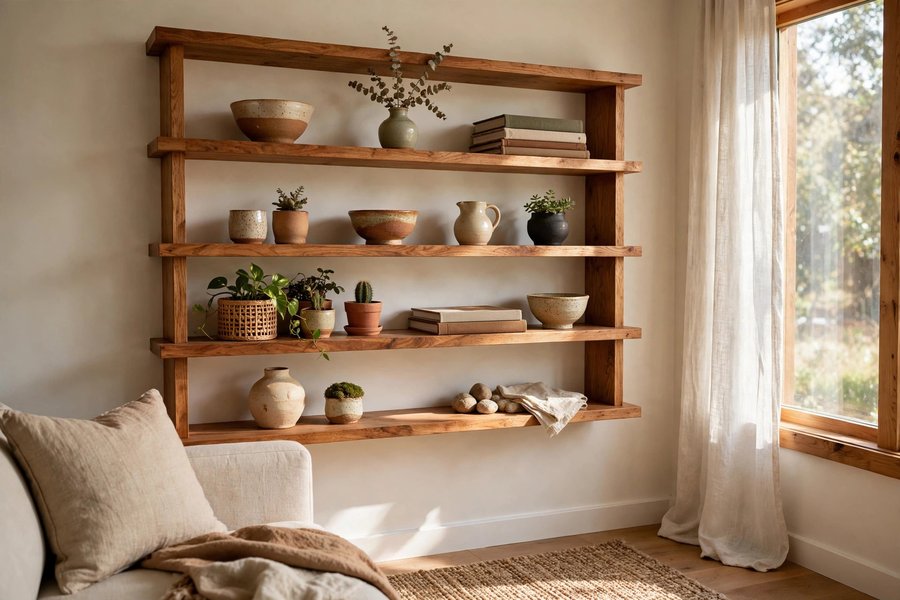
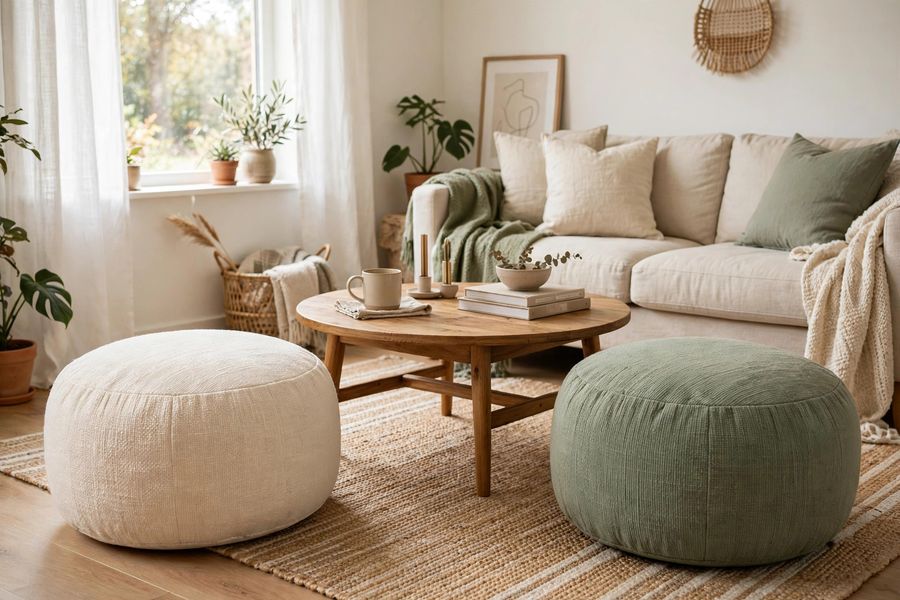
Seat? Footrest? Side table (just add a tray)? Poufs do all three and then get kicked into a corner when you need the space. Their round softness also breaks up all the hard rectangles in a typical living room. Honestly, every small living room should have at least one. They’re the sweatpants of furniture — comfortable, versatile, zero pretension.
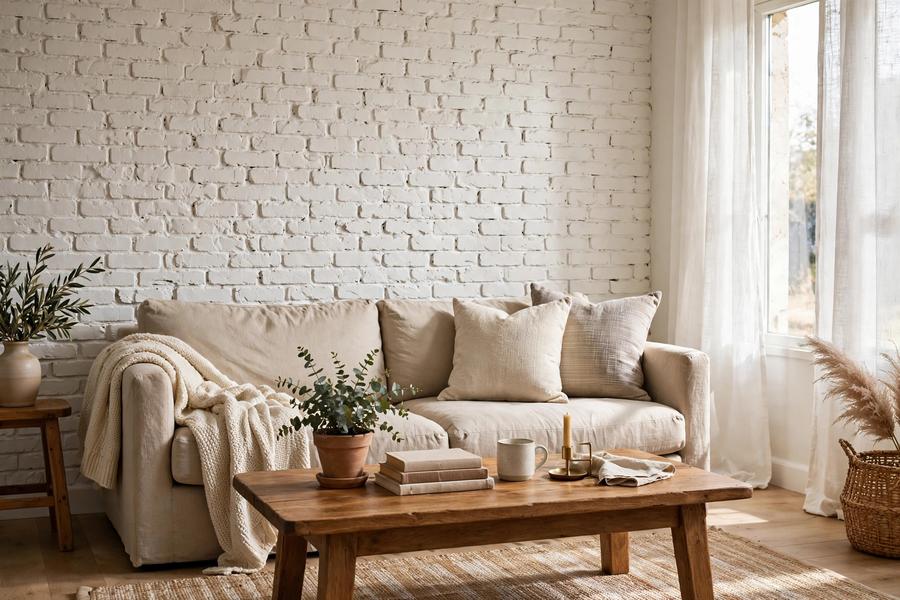
Real brick is gorgeous but heavy — visually AND literally. White-painted brick gives you all that texture and loft-apartment character while keeping things bright. No actual brick? The faux panels and wallpapers these days are shockingly convincing. For more texture ideas, check out our bathroom accent wall ideas — a lot of those finishes work just as well in living rooms.
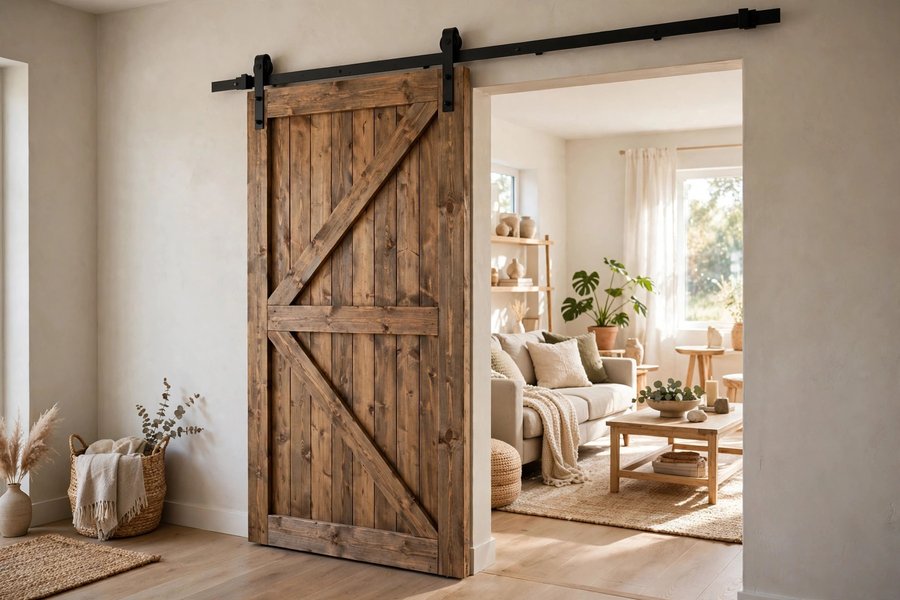
A regular door needs about a square meter of clearance to swing open. In a small living room, that’s space you don’t have. A sliding barn door on a rail needs zero. It just glides. Plus it looks cool — rustic-modern, very now. Use it for a closet, or to close off the living area in a studio. Just make sure your wall can handle the rail.
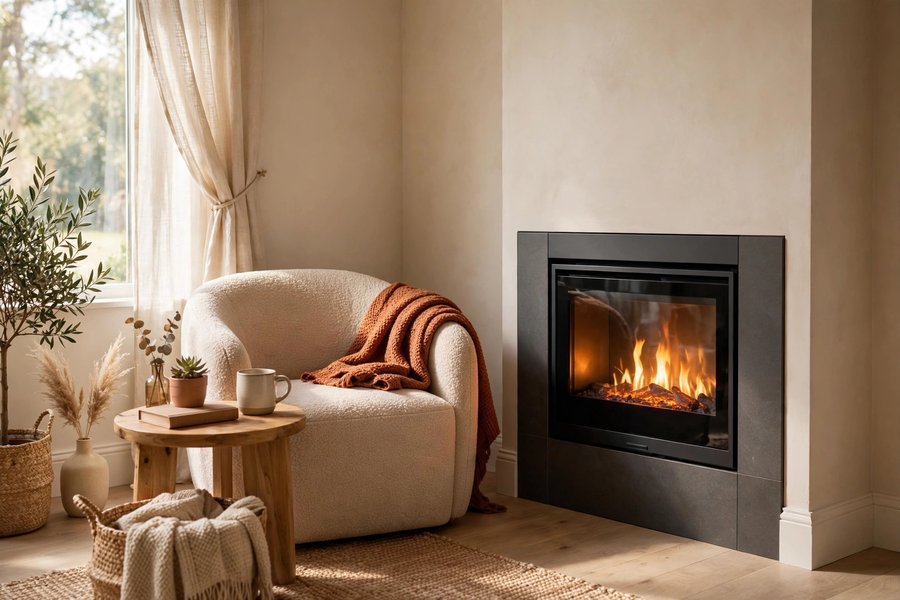
I know, I know — “electric fireplace” sounds like something from a sad motel. But the slim modern ones? Actually gorgeous. They throw real warmth, they become an instant focal point, and the wall-mountable ones take up zero floor space. There’s something primal about a fireplace. Even a fake one makes a room feel like home.
A daybed is the introvert of sofas — quiet, unassuming, secretly doing two jobs. By day it’s a deep lounge-y sofa buried in pillows. By night, a legit bed for guests. It looks lighter and more intentional than a sofa bed, less “I gave up” and more “I planned this.” Because you did.
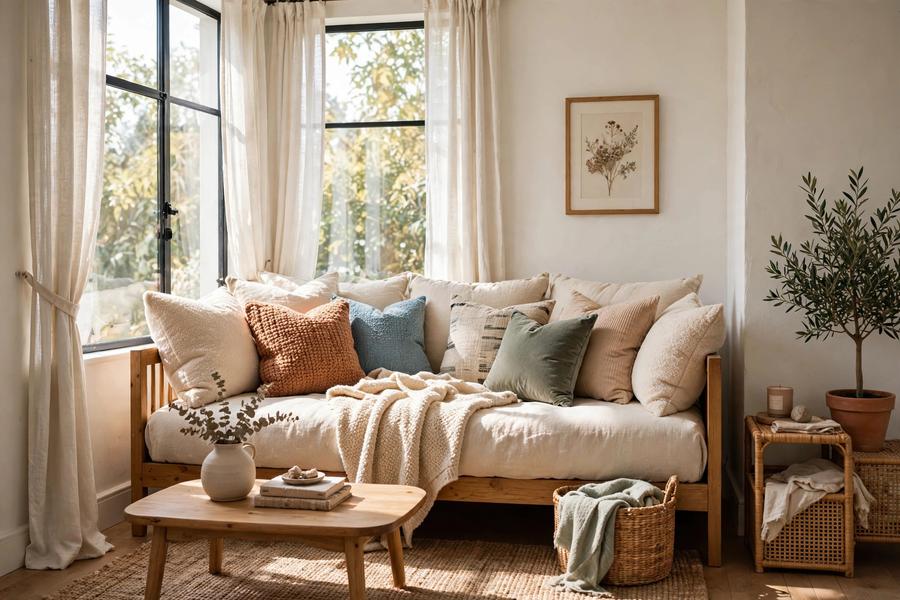
Studio life? Open plan? Sometimes you just want the living room to feel like its own zone. A ceiling-mounted sheer curtain does that without a single wall being built. Pull it closed for coziness, sweep it back when you want open space. Renters, this one’s for you — no drilling, no damage, no landlord drama.
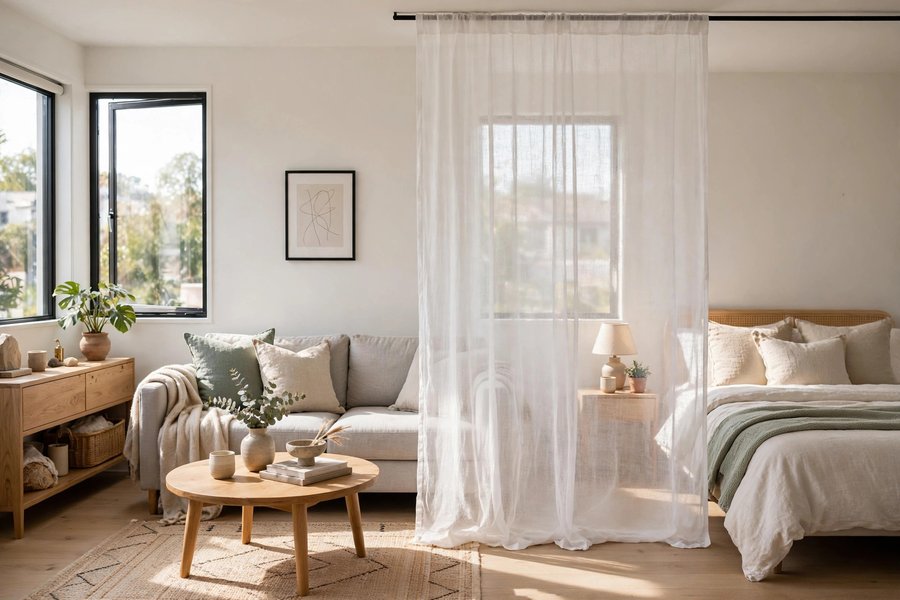
Scale is EVERYTHING in a small room. A full-size armchair made for a suburban living room will look absurd in your space — like a grown-up sitting in a kid’s chair, but backwards. Apartment-size chairs give you real comfort in a footprint that actually fits. Look for raised legs so you can see floor underneath. That little glimpse of floor is doing heavy lifting, visually.
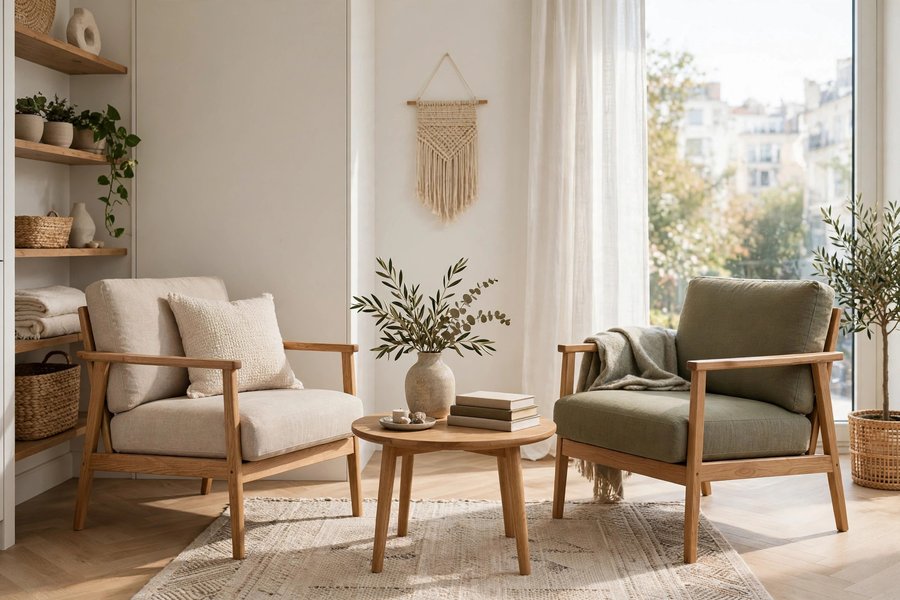
One plant is nice. A whole wall of them is a statement. Even a simple grid of wall-mounted planters turns greenery into actual art — and it costs you zero floor space. Fair warning: start small. I went overboard once and my wall looked less “botanical garden” and more “abandoned greenhouse.” Three to five planters is the sweet spot.
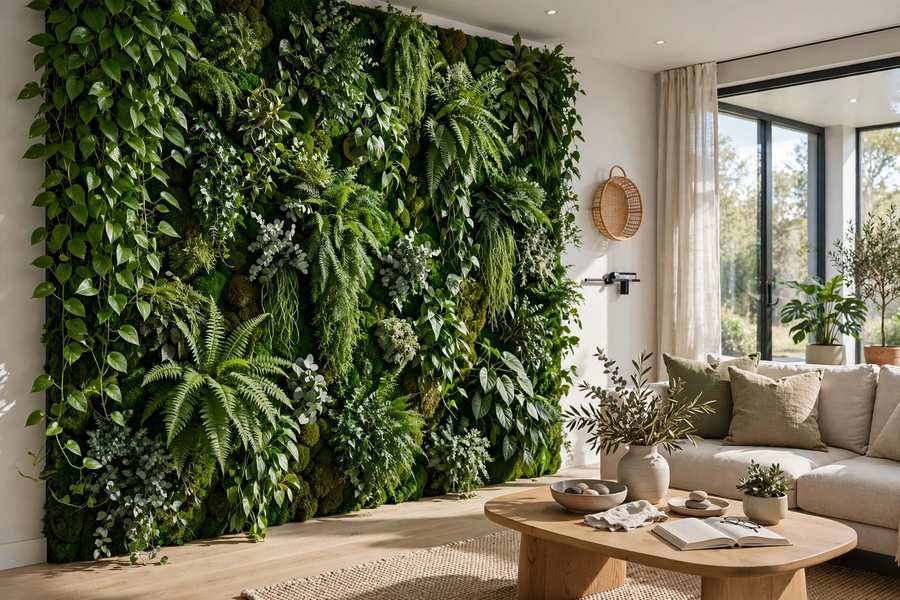
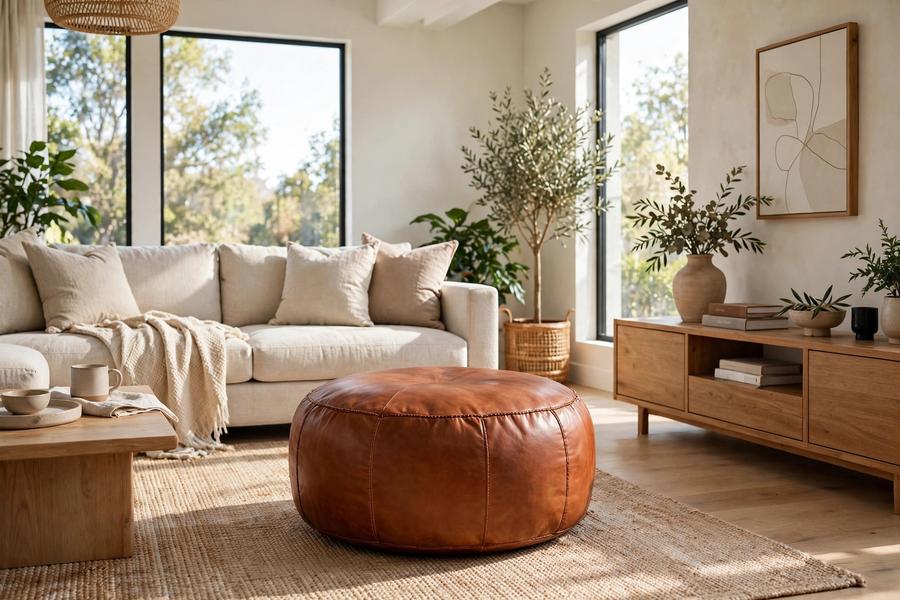
Leather just gets better with age — the scratches, the patina, all of it. A round leather pouf in cognac or tan adds this rich warmth that instantly makes a small room feel more expensive. And unlike fabric? Wipes clean. Spill whatever you want on it. It’ll be fine.
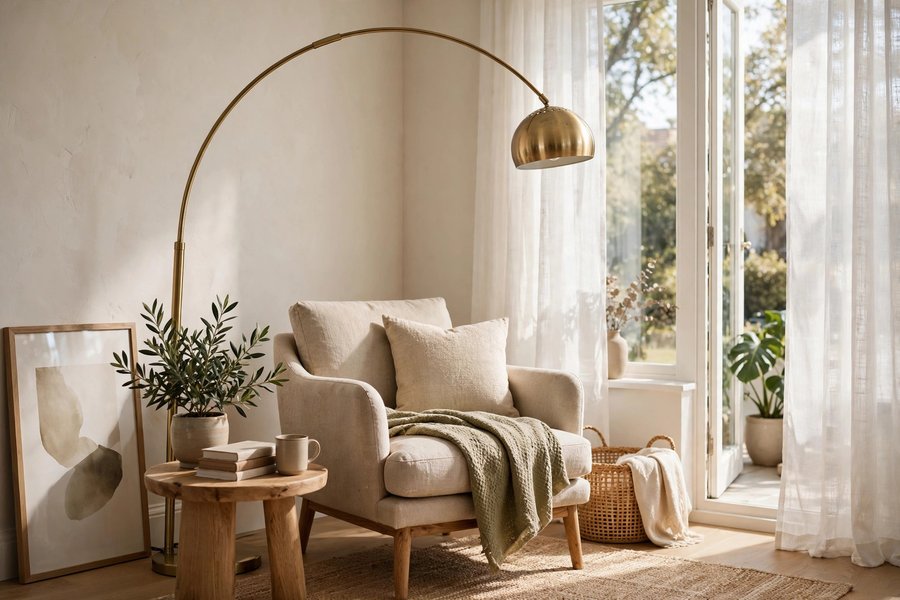
Yes, I already mentioned arc lamps (#14). But the brass ones hit different. Even with the light off, that warm metallic curve is basically sculpture. Over a reading chair, it creates this perfect pool of golden light that makes 9pm feel like the best part of the day.
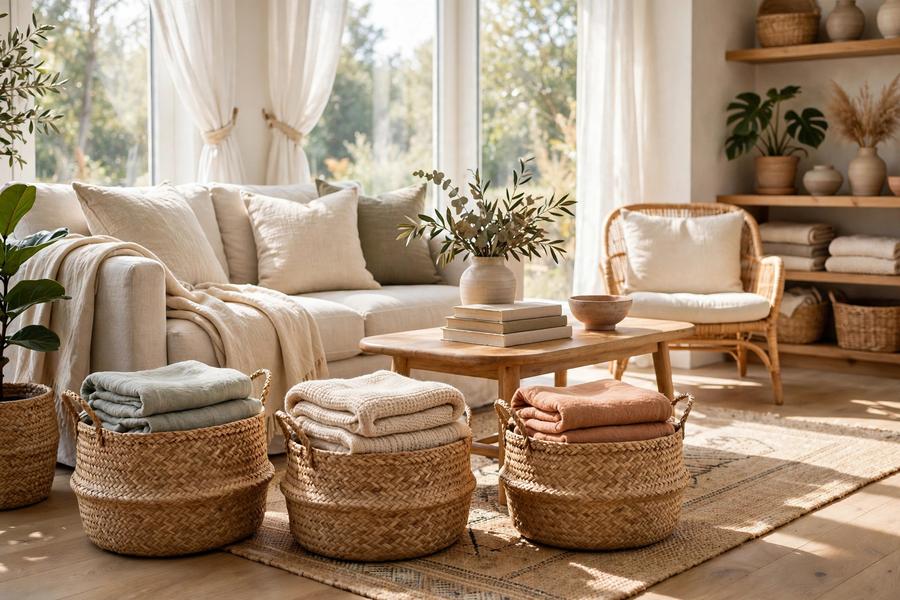
Let’s be real: blankets multiply. You buy two, suddenly there are seven draped over everything. A big woven basket next to the sofa contains the chaos — and somehow makes a pile of throws look like a styling choice instead of a mess. One of those rare wins where organizing actually looks good.
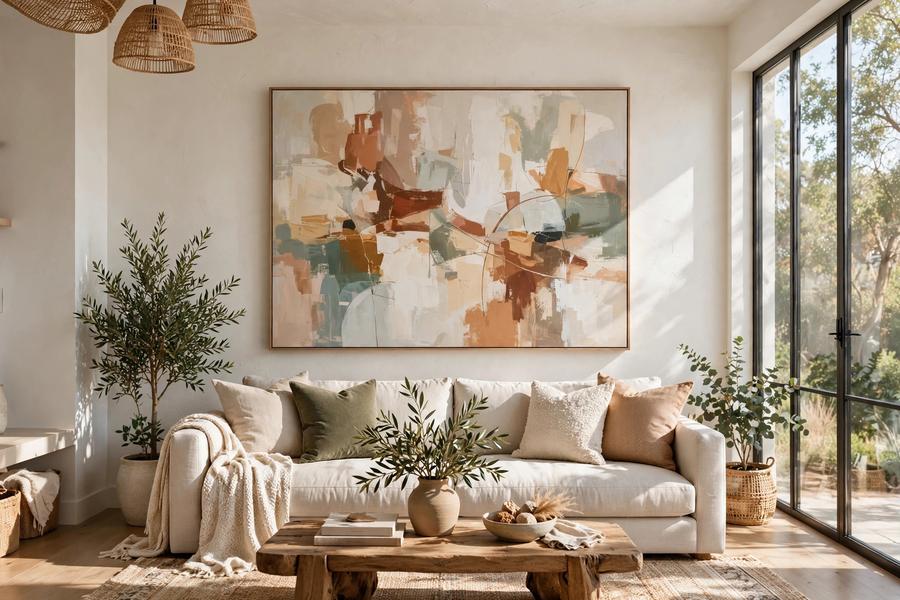
This feels wrong until you try it: ONE huge piece of art makes a small room feel bigger than ten small ones. A cluster of tiny frames creates visual chatter — your eye bounces everywhere. One big bold piece? Single focal point. Calm. Go abstract so it adds color without bossing the whole room around.
Light oak is everywhere right now and honestly? It earned it. Pale, warm, goes with everything from Scandinavian to boho to “I don’t know what my style is.” Keep the shape simple — rectangle or soft oval — and it’ll quietly do its job for years without ever looking dated.
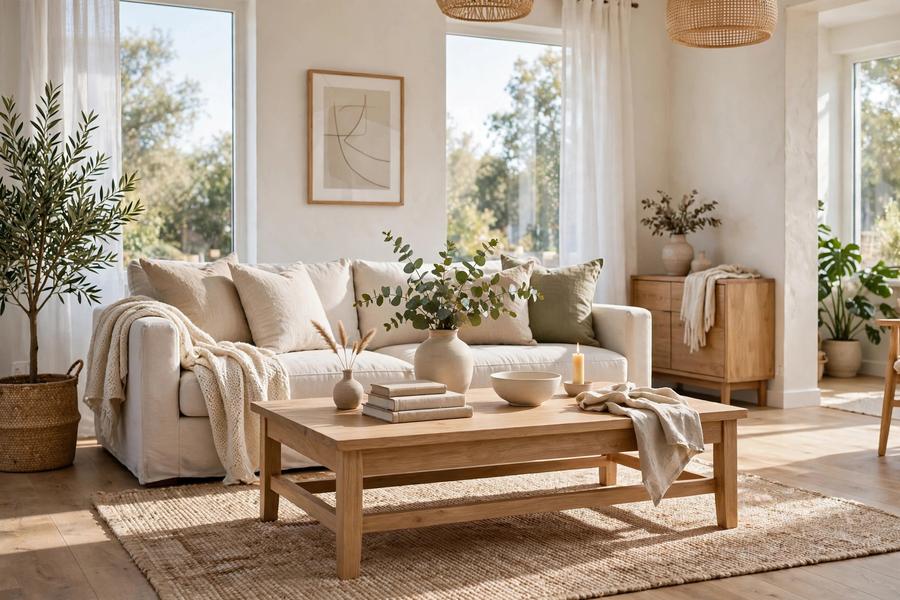
Every beige room needs one moment of “oh WOW.” An emerald velvet chair is that moment. The green is deep enough to almost read as neutral, but the velvet catches light in a way that makes people go touch it. (They will. Everyone does.) One is plenty — let it be the star, don’t make it compete.
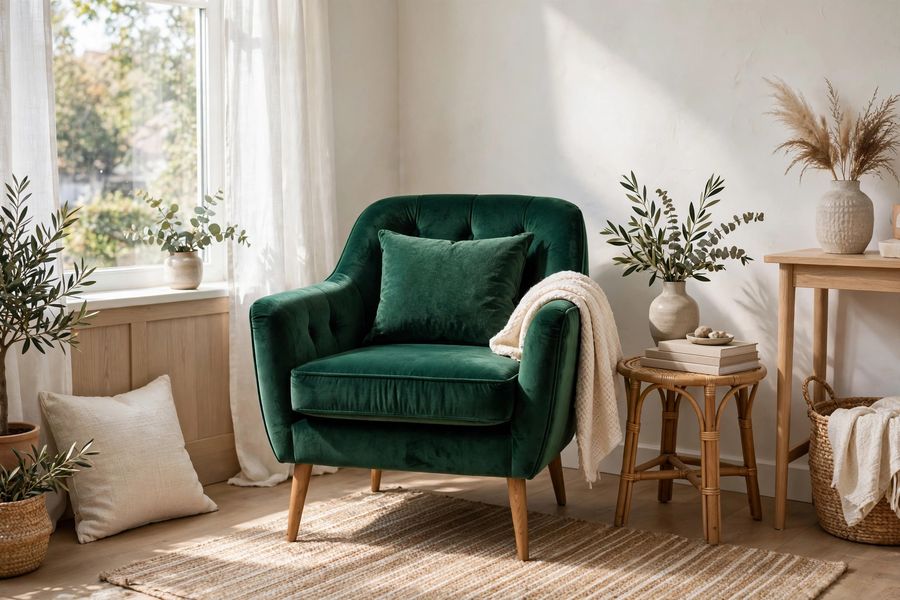
Big blank wall, no budget, no drilling skills? Macrame. It fills visual space, adds handmade texture, costs very little, and hangs on a single nail. Is it a little 2016? Maybe. Do I care? Not even slightly. It works.
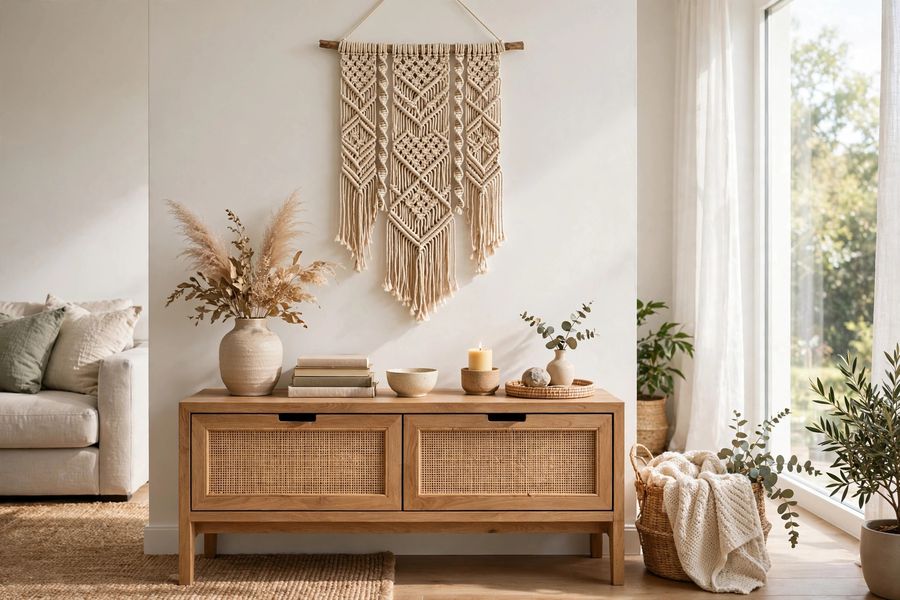
If your vibe is more “Brooklyn loft” than “cozy cottage,” pipe shelving is your answer. Raw metal pipes + warm wood shelves = storage that looks like decor. It’s sturdy enough for actual books (not just the decorative ones), and the open design keeps everything feeling airy. Fairly easy DIY if you’re handy. If you’re not handy… maybe buy it pre-made.
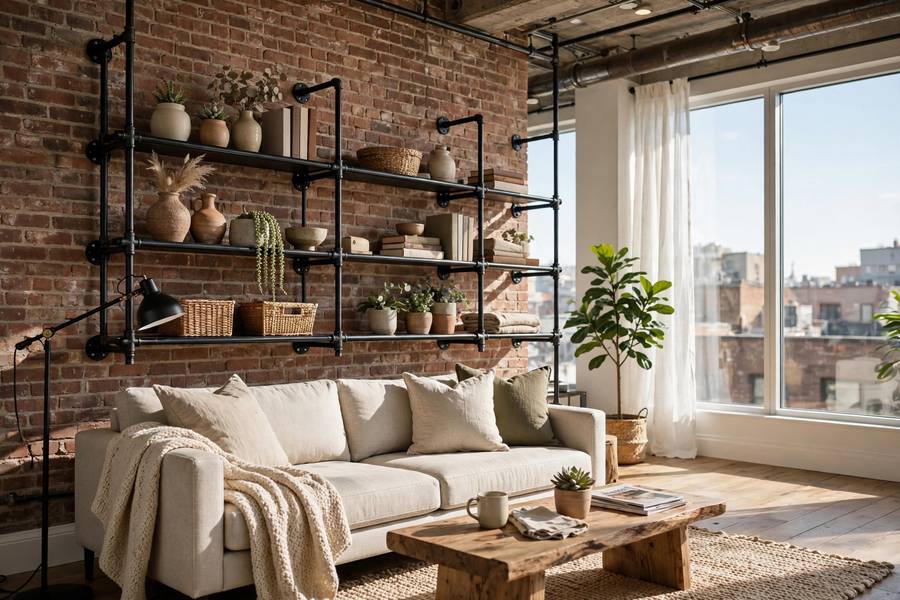
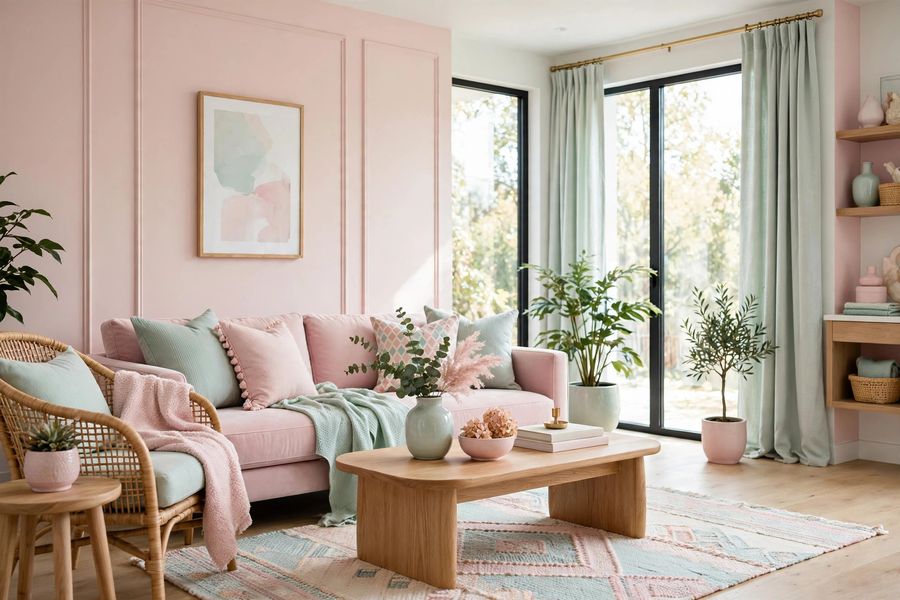
Pastels in a small room are like turning the brightness up — soft blush, mint, powder blue, lavender. Everything reflects light, everything feels dreamy. The key is restraint: pick two or three pastels, anchor with plenty of white, and don’t let any one color take over. Done right, it’s serene. Done wrong, it’s an Easter egg. You’ve been warned.
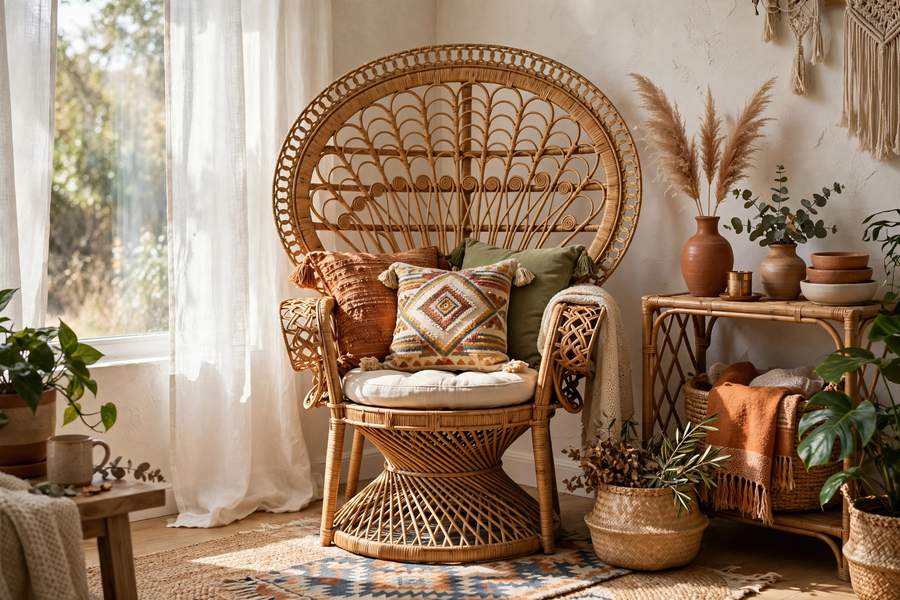
This chair is a whole personality. Dramatic, photogenic, slightly extra — and somehow it works in small spaces because the open weave keeps it visually light. Stick it in a sad empty corner and suddenly that corner is the most interesting part of the room. It also photographs ridiculously well, if you’re into that.
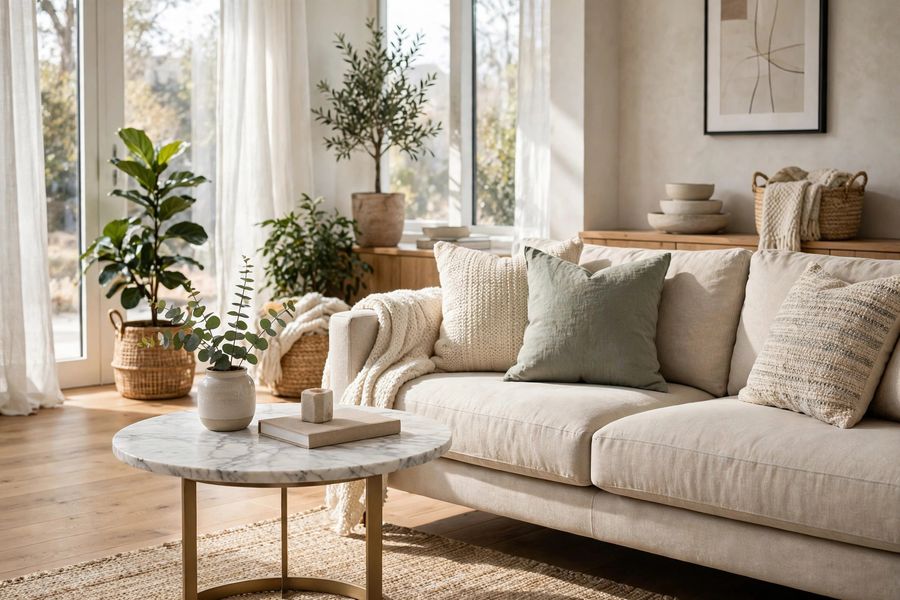
You don’t need a marble kitchen island to get that luxe stone feeling. A small marble side table — even faux marble, no one’s checking — brings this cool, elegant contrast next to all your soft textiles. Tuck it beside an armchair. Instant upgrade. People will assume it cost more than it did.
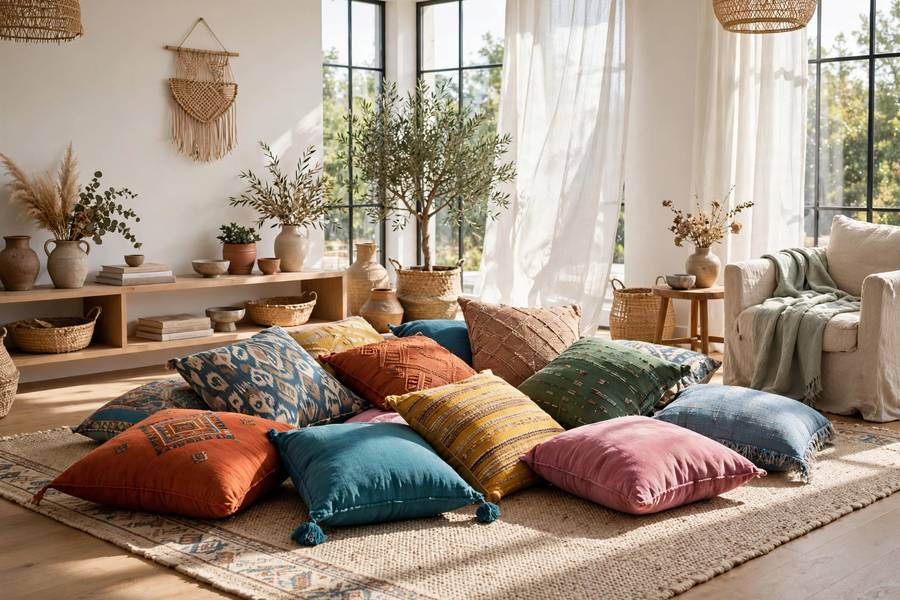
Movie night for six in a room that seats four? Floor cushions. Kids need somewhere to sprawl? Floor cushions. They stack in a corner when you’re done, they cost almost nothing, and there’s something deeply cozy about sitting on the floor as an adult. It’s like a sleepover, but you own the house.
Shiplap makes any flat boring wall look like it has architecture. Painted white, the horizontal lines subtly widen the room, and the whole thing reads as “custom” and “expensive.” Plot twist: it’s one of the most DIY-friendly wall treatments out there. Weekend project, massive payoff.
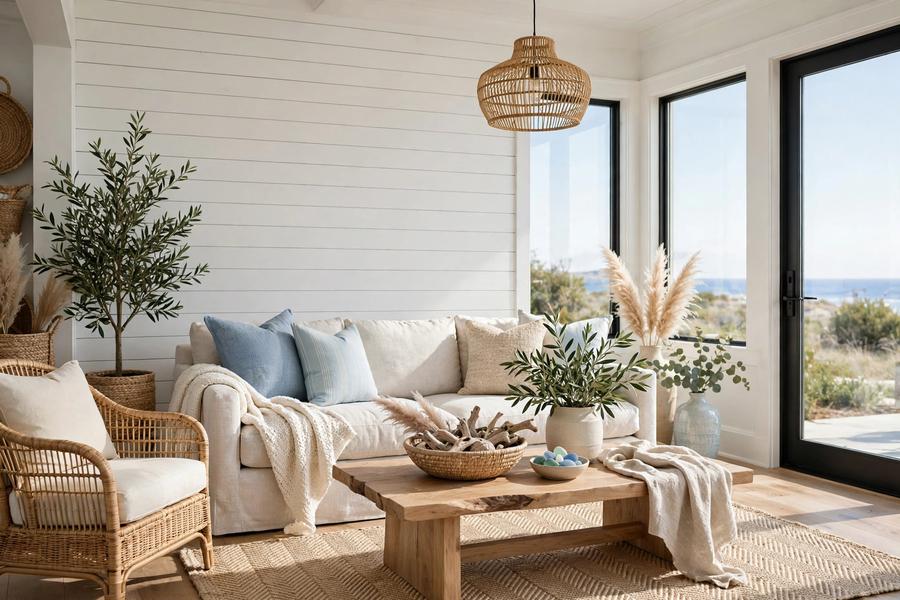
There’s a reason every plant photo on the internet uses terracotta. That warm orangey clay makes green leaves pop like nothing else. Group a few different sizes on a windowsill and you’ve got a styled vignette in about four minutes. Cheap, cheerful, impossible to mess up.
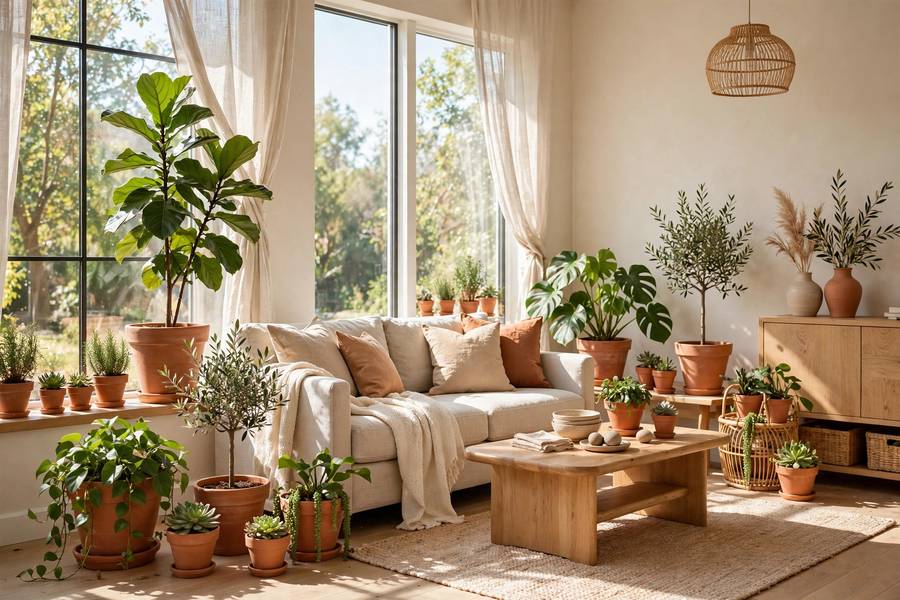
A mirror with a gold frame is doing double duty: bouncing light around AND adding a little glamour. Lean one on a console, hang one over the mantel, prop one on a shelf. In a small space, that hint of gold goes a long way — it’s jewelry for your walls.
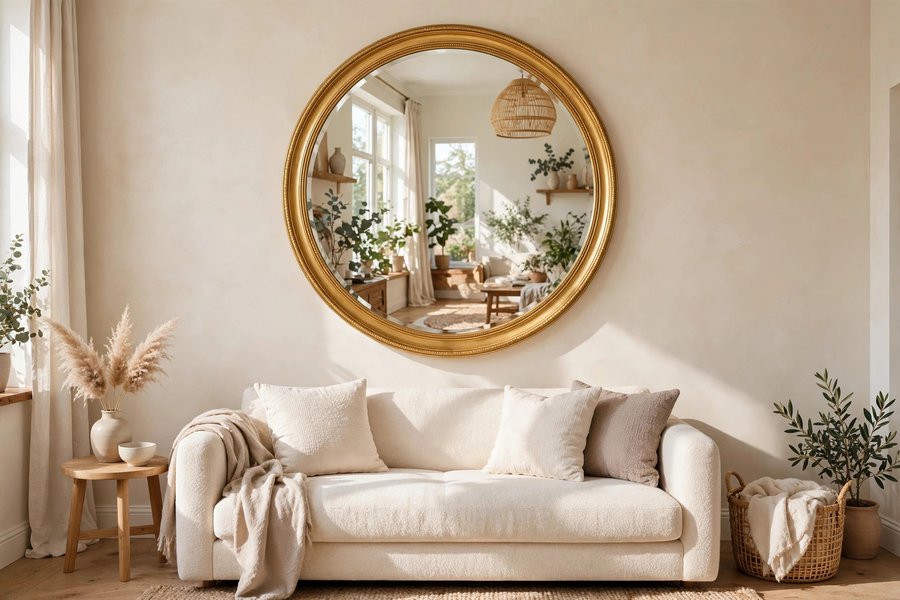
Boucle is that nubby, textured fabric all over Instagram right now. A cream boucle chair is basically an invitation to curl up — it looks soft, it IS soft, and the light color keeps your small room feeling open. It’s trendy, sure, but it’s also just genuinely comfortable. Sometimes trends are right.
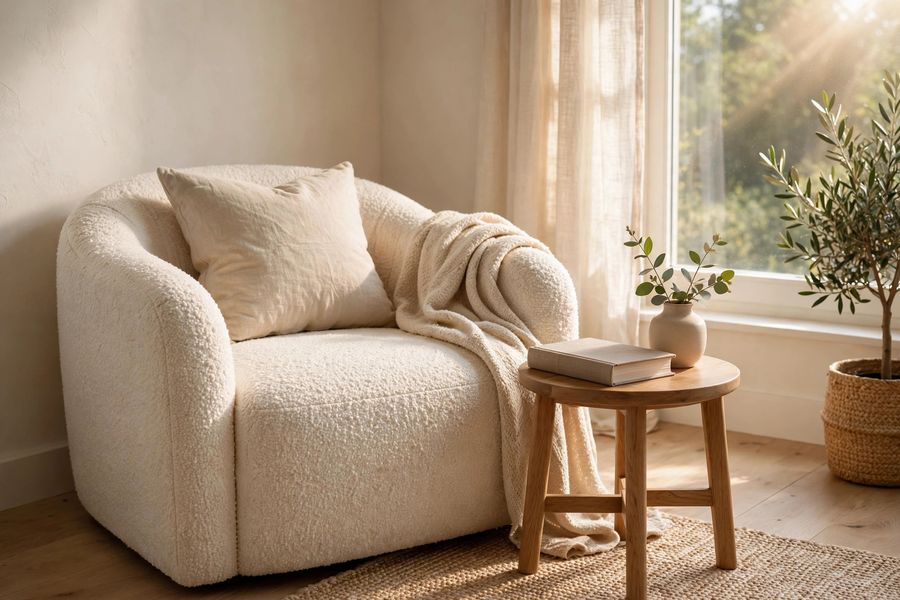
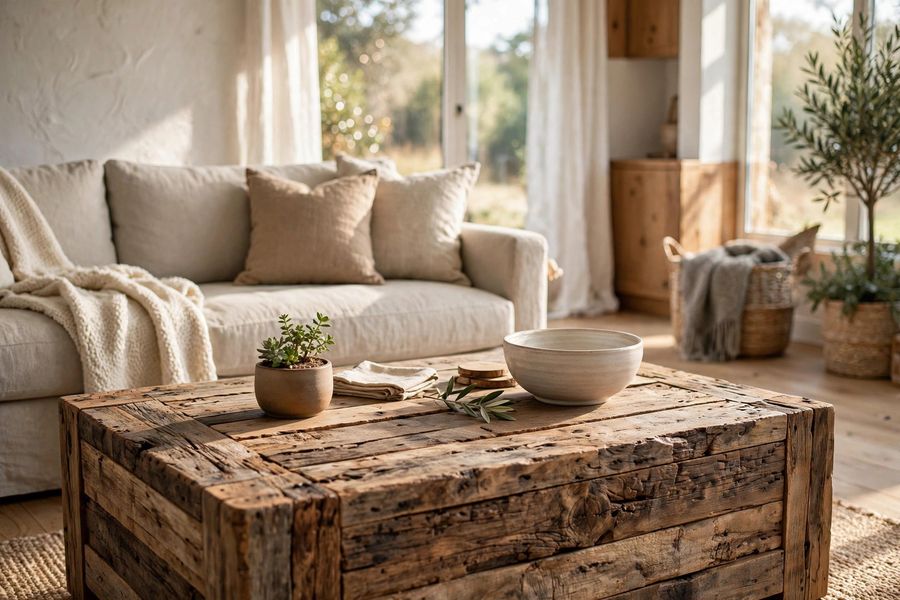
New furniture can sometimes feel a bit… sterile. Reclaimed wood has character — the dents, the weathering, the story. It makes a small room feel collected over time rather than bought in a weekend. Keep the shape low and simple so the wood itself is the star, not some fussy design.
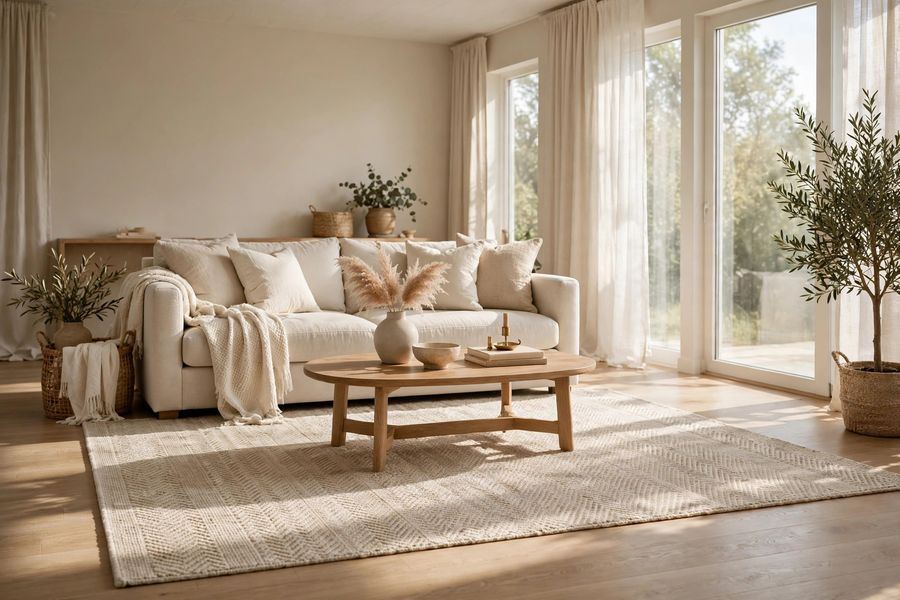
Want visual interest without committing to a pattern you’ll hate in six months? Texture. A nubby, ribbed, or high-low rug in ivory or sand adds all this dimension underfoot while staying completely neutral. It’s the safe choice that doesn’t look safe. My favorite kind of design decision.
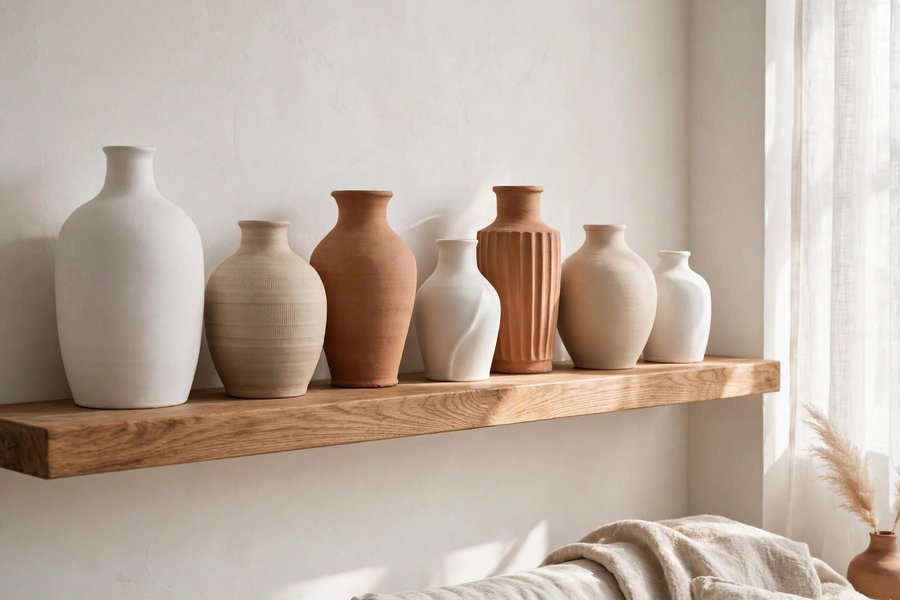
Empty shelf looking sad? Cluster of ceramic vases. Different heights, same color family (whites, creams, soft grays), done. They look sculptural even empty — which is good, because let’s be honest, most of us aren’t buying fresh flowers weekly. It’s styling that maintains itself.
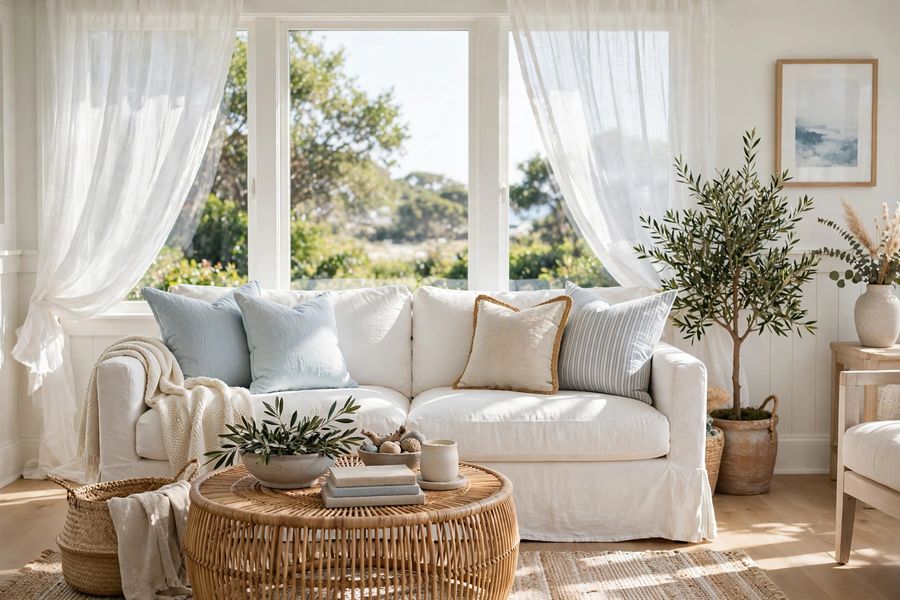
Kids? Pets? Clumsy friends? A linen slipcovered sofa is your answer. The cover comes off, goes in the wash, and the whole “relaxed rumpled” look means it never has to be perfect. It’s the only sofa that looks BETTER slightly messy. Choose a light natural tone and your small room stays bright and breezy.
Bored of your sofa but can’t afford a new one? Pillows. Specifically, geometric ones — they add energy and a modern edge for almost no money. Keep your base neutral, let the pillows do all the talking, and swap them out whenever you get bored. It’s the cheapest room refresh that exists.
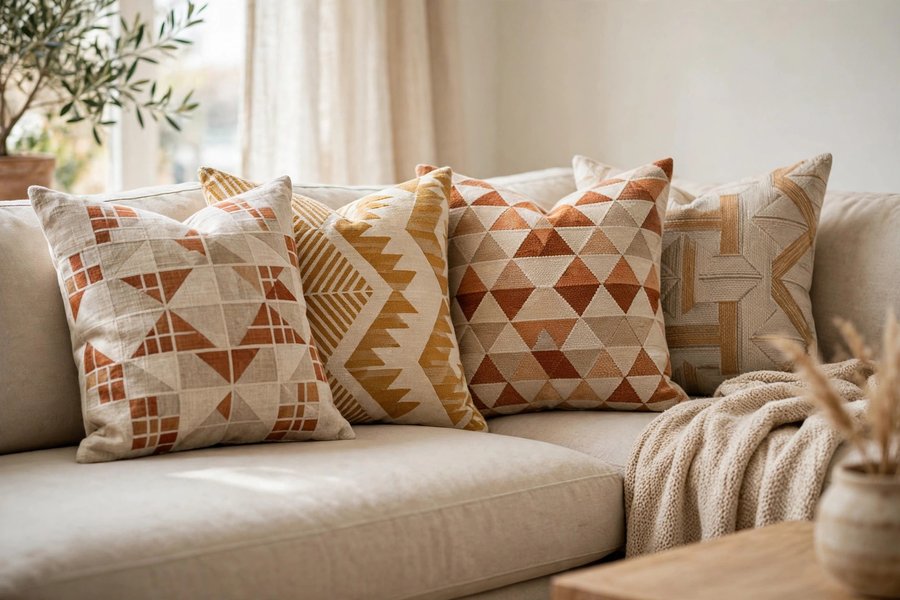
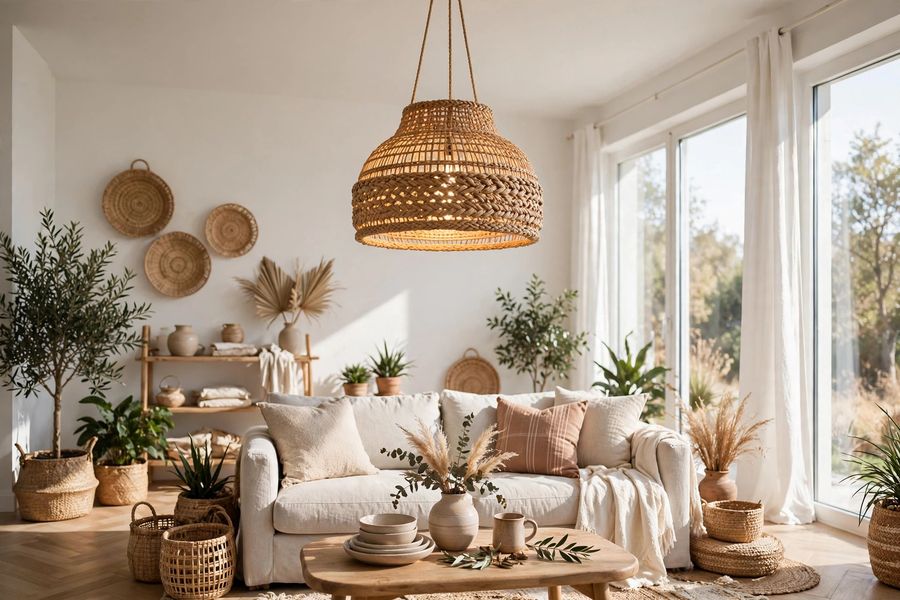
That sad flush-mount ceiling light your landlord installed? Replace it with a woven rattan pendant. Takes an afternoon, costs less than dinner out, and completely changes the room’s warmth. In the evening it casts these gorgeous patterned shadows. It’s the highest-impact-per-dollar lighting swap I know.
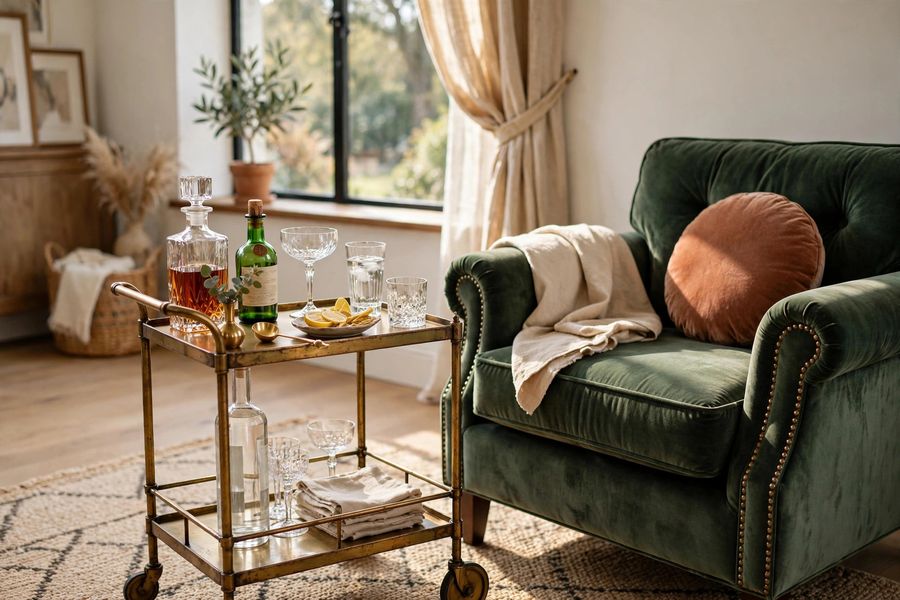
A bar cart as a side table is small-space genius and I will not be taking questions. Drinks, books, a plant — it holds everything, looks glamorous doing it, and then WHEELS AWAY when you need floor space. Try getting your regular side table to do that.
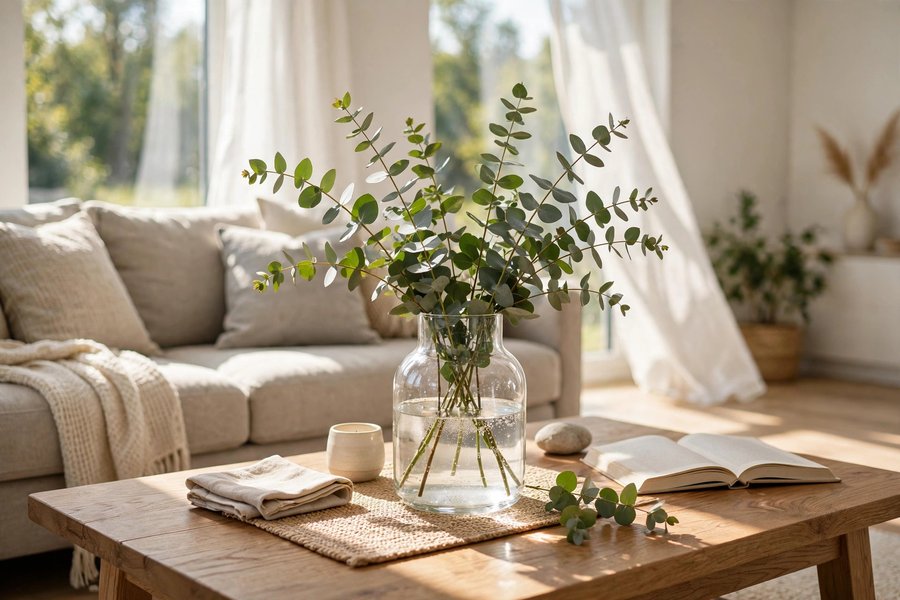
Fresh flowers die in a week and cost a fortune. Eucalyptus? Lasts for weeks, smells incredible, and that silvery-green color goes with everything. Stick a bunch in any vase you own and suddenly your room looks “styled.” It’s the lowest-effort flex in home decor.
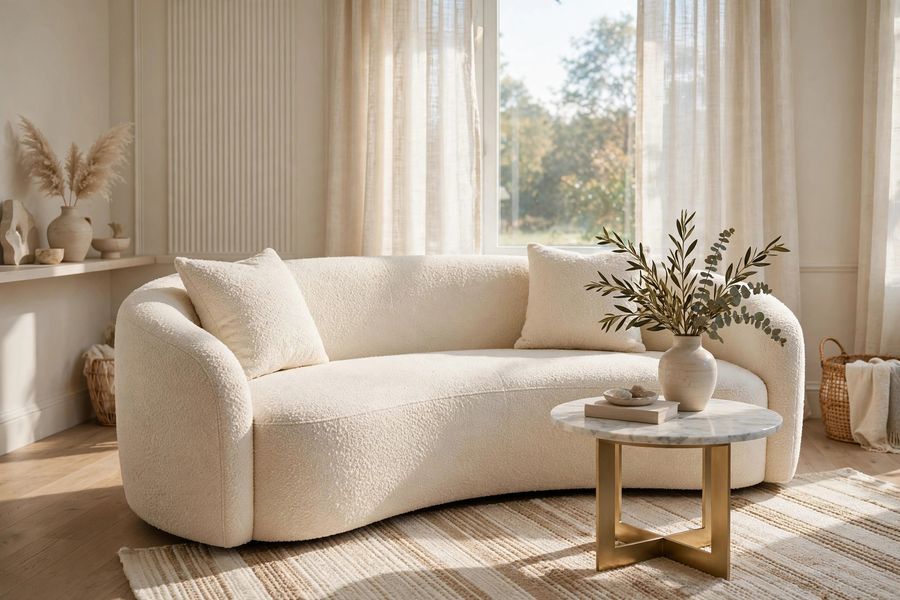
Straight lines everywhere gets boring. A curved sofa softens the whole room — no sharp corners to navigate around, better flow, and that boucletexture is dangerously touchable. It’s a statement piece, sure, but one that actually earns the space it takes up. Your guests will fight over who sits in the curve.
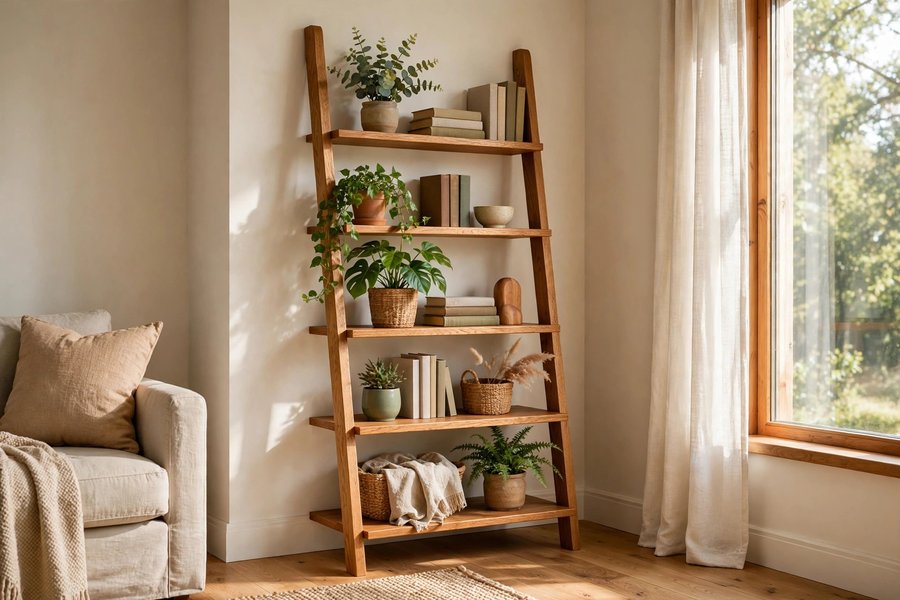
A ladder shelf leans against the wall and takes up almost zero floor space — we’re talking 30cm deep, max. Books on the bottom shelves, plants and pretty things up top. In light oak it practically melts into a pale wall. It’s storage that doesn’t look like storage, which is exactly what small rooms need.
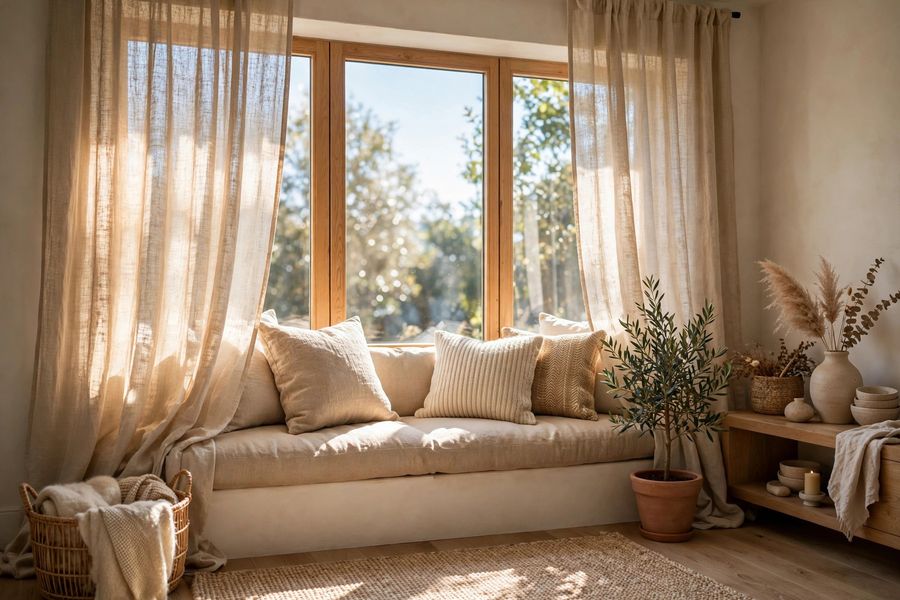
Linen doesn’t hang perfectly straight, and that’s the whole point. That slightly rumpled, imperfect drape is what makes a room feel effortlessly elegant instead of trying-too-hard. The natural fibers filter light into this gorgeous soft glow. In a small room, they keep windows feeling light and airy instead of weighed down.
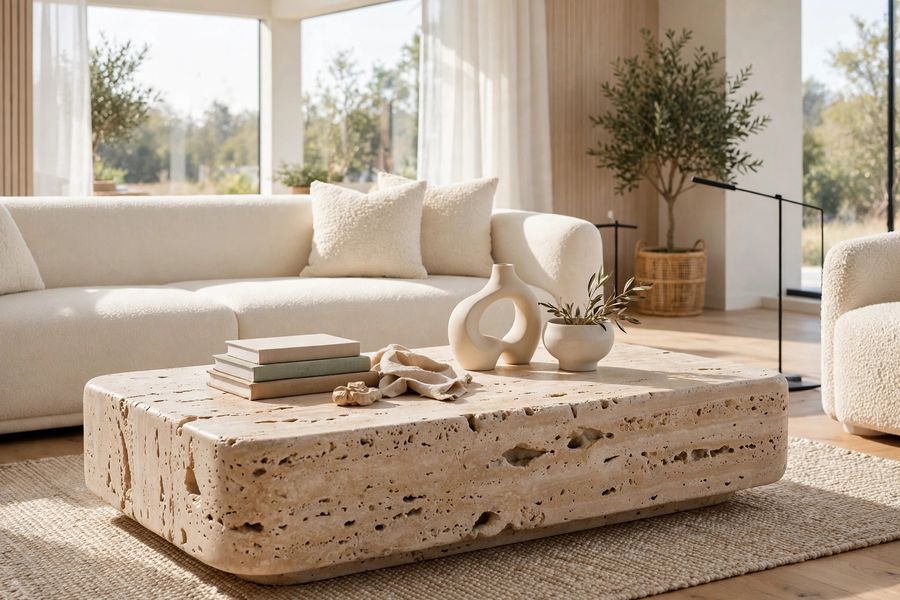
Travertine is having a moment, and I get it — that pitted, organic stone surface has more character than any flat manufactured material. A compact travertine coffee table becomes this quiet luxury anchor in the room. It doesn’t shout. It just sits there looking expensive while you put your feet up.
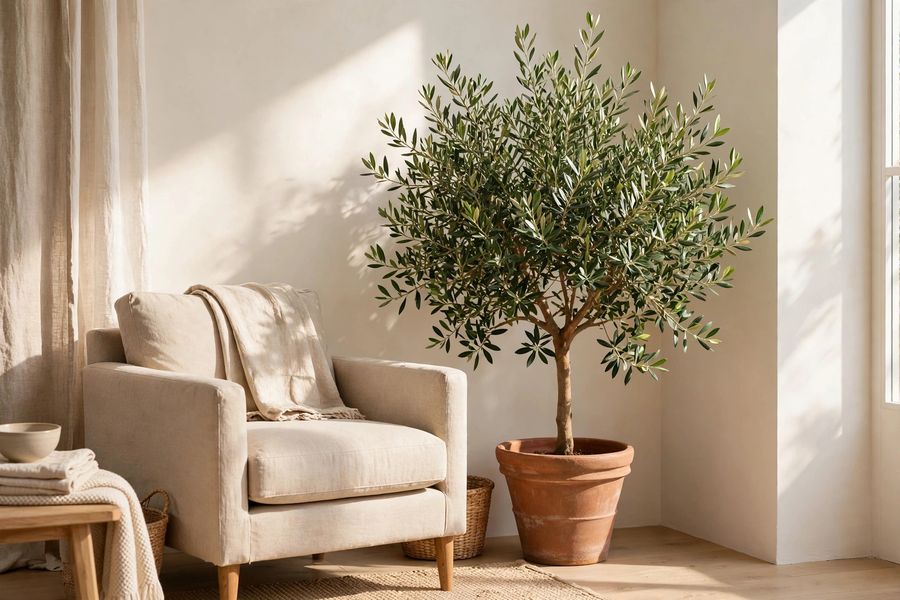
An olive tree isn’t just a plant — it’s practically furniture. Those silvery leaves and sculptural branches have this Mediterranean calm that makes any corner feel intentional. It’s more architectural than your average houseplant, so it reads as decor first, greenery second. That empty corner you’ve been ignoring? Problem solved.
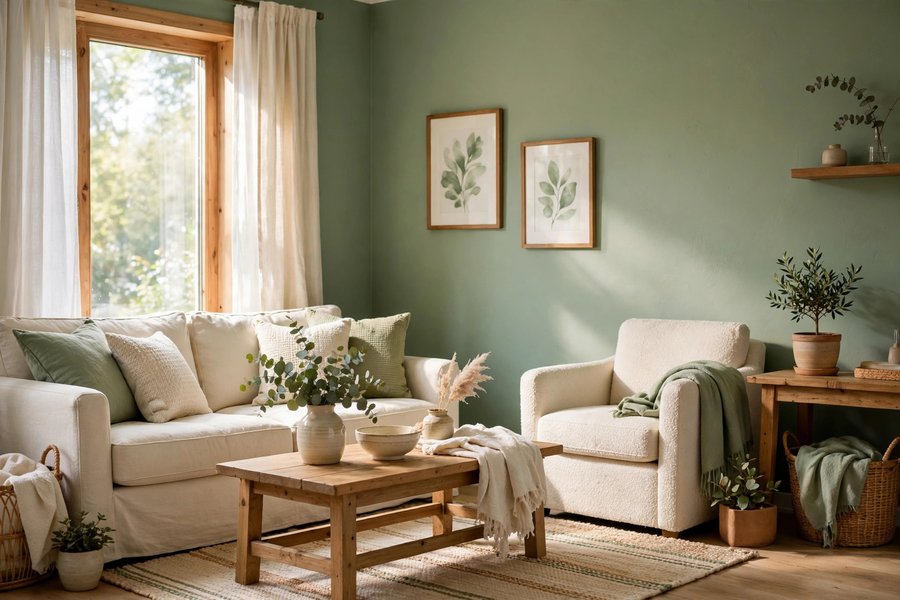
If I had to pick ONE wall color for small spaces, it’s sage green. Not too dark, not too stark — just right. It’s calming without being boring, works with everything from rattan to brass to black accents, and adds actual personality without closing the room in. I’ve recommended this color more times than I can count. It never disappoints.
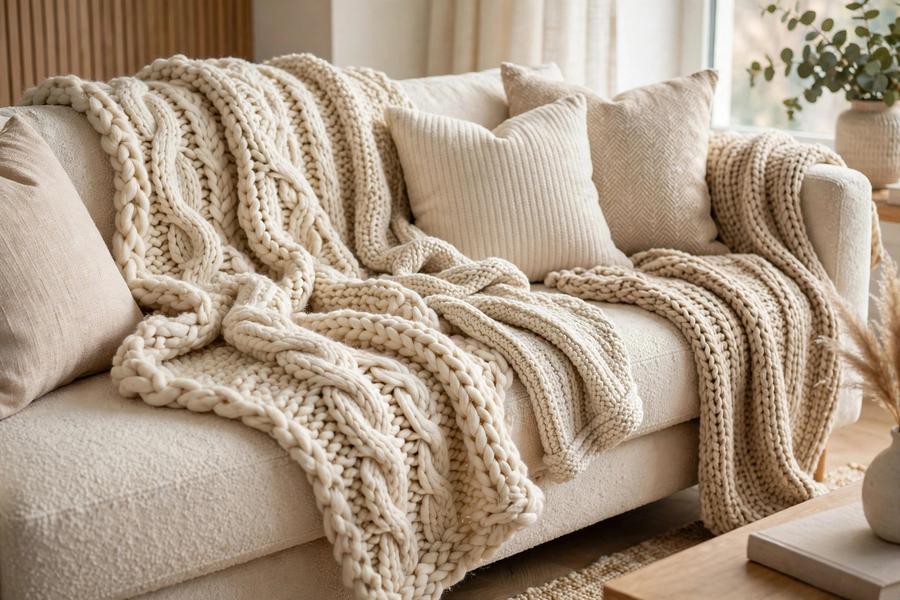
Last one, and it’s the easiest: a chunky knit throw draped over your sofa arm. That’s it. That’s the idea. But it adds texture, warmth, color, and this irresistible “come sit here” energy. Go for warm neutrals, go chunky, and don’t overthink the drape — the messier it looks, the cozier it feels. Hygge in throw form.
Honestly? Light walls, one big mirror, furniture you can see the floor under, and less stuff. That’s 80% of it right there. The other 20%: hang curtains near the ceiling, go vertical with storage, and stop buying things “just in case.” Every item should earn its spot.
Aim for 72 to 84 inches wide — that’s the “apartment size” sweet spot. And leave at least 30 inches of walkway around your main path, or you’ll be doing that sideways shuffle every time someone needs the bathroom. Super narrow room? Two small loveseats facing each other beats one cramped sofa every time. Oh, and if you’re tempted by dark upholstery, our black sectional sofa living room ideas prove it can absolutely work in a small space.
Light warm neutrals — cream, soft beige, light gray, sage. They reflect light and make everything feel seamless. But please don’t think that means “no color allowed.” Just put the color where it’s easy to change: pillows, throws, art. Paint the walls neutral, go wild with the accessories. Best of both worlds.
Two words: vertical and hidden. Wall shelves, storage ottomans, baskets under the sofa, furniture with secret compartments. My rule: every storage piece should either blend into the room (paint it the wall color) or look like decor (pretty baskets, nice boxes). If it looks like “storage,” you’re doing it wrong.
Are you kidding? Small rooms are NATURALLY cozier than big ones — that’s physics. Or psychology. Either way, it’s true. Layer up textures (throws, cushions, rugs), get your lighting from multiple warm sources instead of one harsh ceiling light, and add your personal stuff. Coziness comes from layers, not square footage.
You can — just don’t paint ALL the walls dark and then wonder why it feels like a cave. One dark accent wall in navy or forest green actually adds depth and makes the room feel intimate, not cramped. The trick is balance: dark wall + light furniture + good lighting + a big mirror. Get that formula right and it’s gorgeous.
So there you have it — 71 small living room ideas, and not a single one requires knocking down walls or winning the lottery.
Here’s my honest advice: don’t try to do everything. Pick three or four ideas that made you go “oh, that’s smart” and start there. Hang the curtains higher this weekend. Order the storage ottoman. Move that mirror opposite the window and watch what happens.
Small rooms reward bold, intentional choices. So go for the emerald chair. Hang the oversized art. Your tiny living room is about to become the room everyone wants to hang out in — I promise.