Physical Address
304 North Cardinal St.
Dorchester Center, MA 02124
Physical Address
304 North Cardinal St.
Dorchester Center, MA 02124

Choosing a home décor look can feel overwhelming. There are so many options out there. That’s why understanding the best interior design styles helps you make smart choices. Once you know the best interior design styles, you can create a space that feels truly yours.
This guide breaks down every major style in detail. You’ll learn what makes each one unique. You’ll also find practical tips to help you pick the right fit for your home, your budget, and your lifestyle.
An interior design style is a set look and feel. It includes colors, furniture, textures, and layout choices. Each style has its own personality and history. Some styles feel warm and cozy. Others feel sleek and modern. Knowing these differences helps you shop smarter. It also saves you time and money on furniture you may not love later. Your home should reflect who you are. So, picking a clear design direction matters a lot. It becomes the foundation for every future decision, from paint color to lighting fixtures.
A clear style gives your home structure. Without one, rooms can feel messy or mismatched. This happens even with expensive furniture. The right style also boosts comfort. It makes daily life feel calmer and more organized. Additionally, it can increase your home’s resale value. Buyers often respond well to cohesive spaces. Therefore, a defined style is a smart long-term investment. It also reduces decision fatigue when shopping for new items. A strong design direction saves money too. You stop buying random pieces that don’t match. Instead, every purchase supports one clear vision.
Let’s explore the most loved home décor themes today. Each one offers something different in terms of mood, materials, and layout.
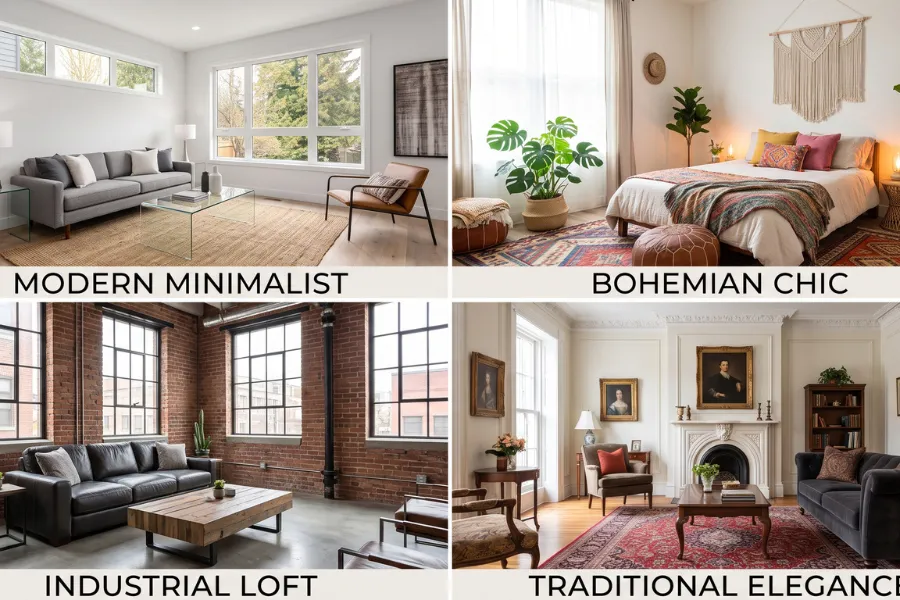
Modern style focuses on clean lines. It uses neutral colors like white, black, and gray. Clutter is kept to a minimum throughout the space. Furniture often has simple, geometric shapes. Materials like glass, metal, and steel are common. This style suits people who love order and simplicity. Modern design also favors open floor plans. Walls are often removed to create flow between rooms. Natural light is treated as a key design element, not an afterthought.
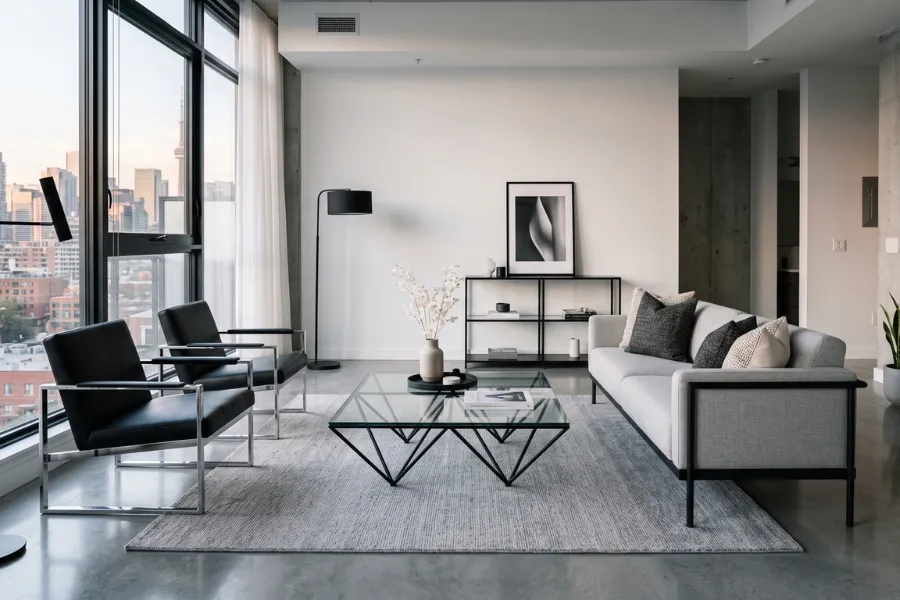
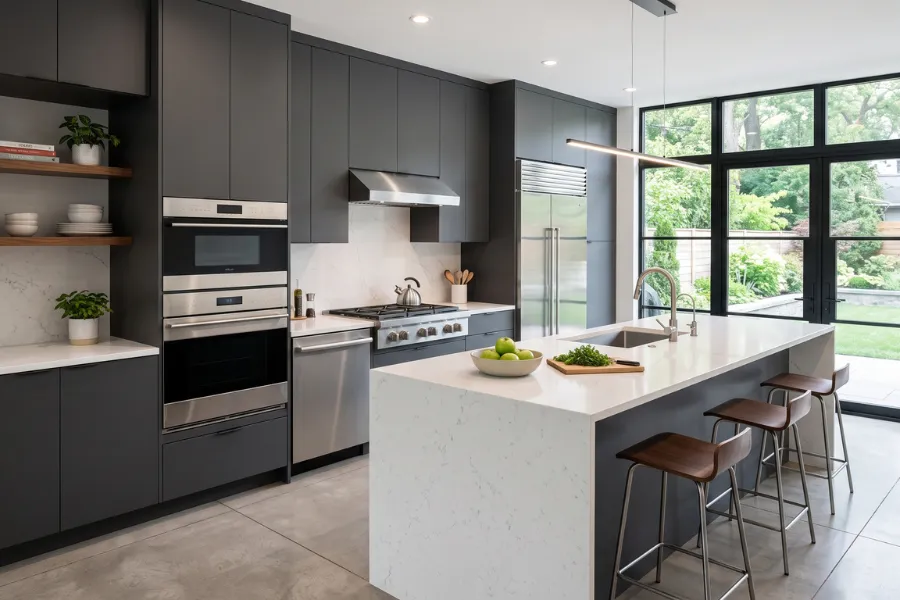
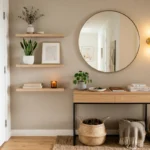
Minimalism takes “less is more” seriously. Every item in the room has a purpose. Nothing is added just for decoration. Colors stay soft and muted. Storage is smart and hidden. This style works well in small apartments too. Minimalist homes often use a limited color palette. This creates visual calm and reduces mental clutter. Many people choose this style for its stress-free, peaceful feel.
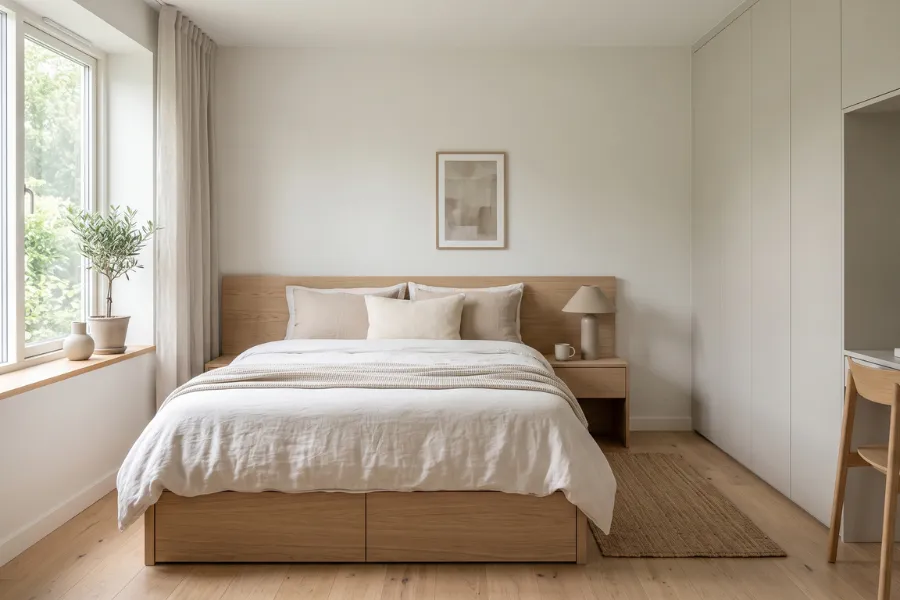
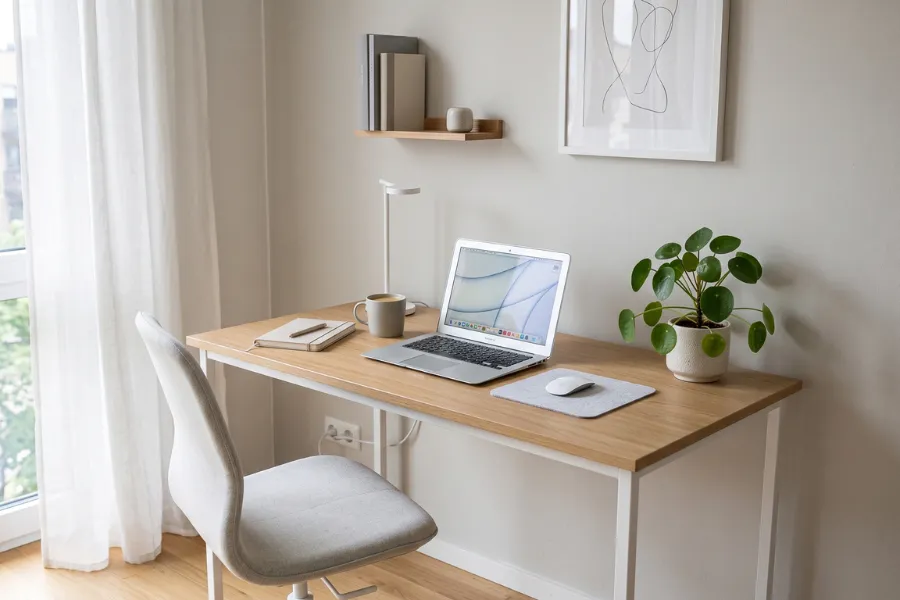
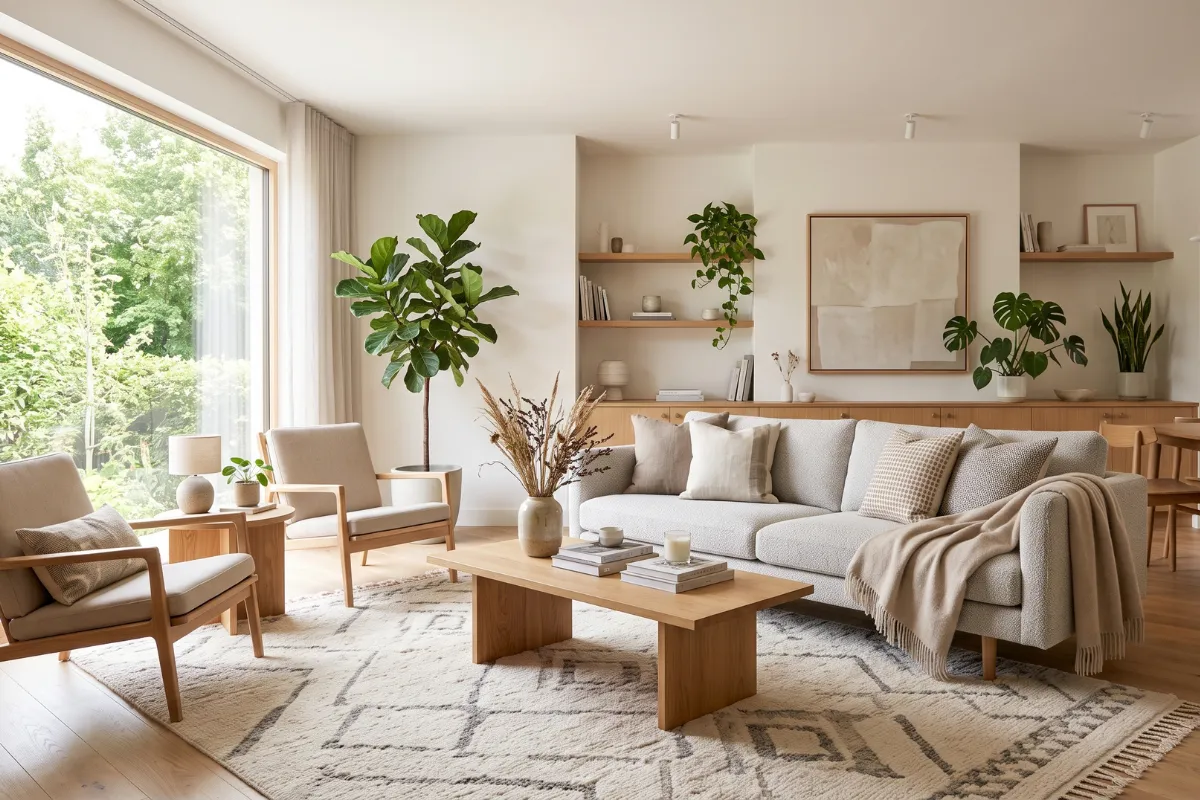
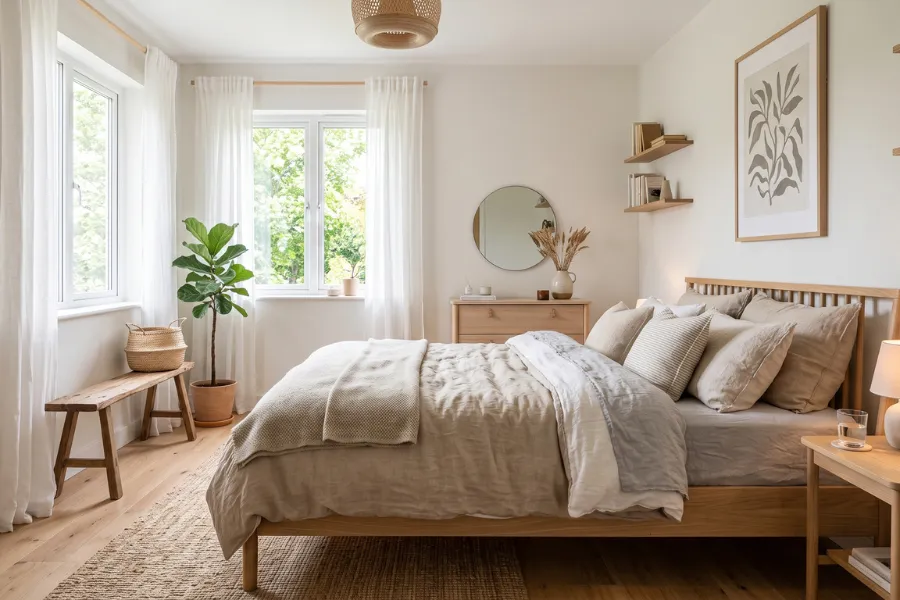
This look blends function with warmth. It uses light wood, white walls, and soft textiles. Comfort is just as important as looks here. Natural light plays a big role. Plants and cozy textures add life to the space. It’s perfect for cold climates and bright, airy homes. Scandinavian design also values sustainability. Furniture is often made from renewable materials. This style has grown popular worldwide for its balance of beauty and practicality.
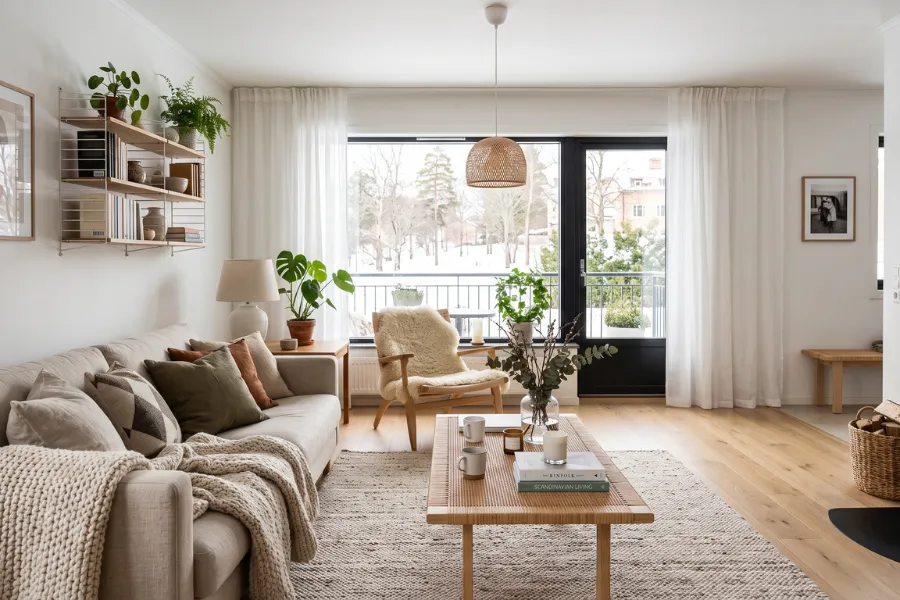
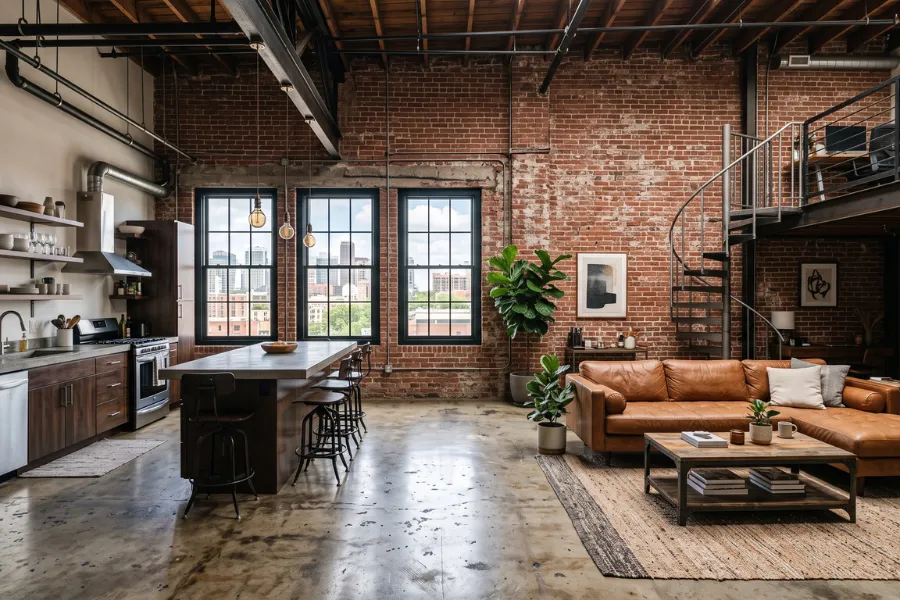
Industrial design borrows from old factories and lofts. Exposed brick, metal pipes, and concrete floors are common. The look feels raw and unfinished on purpose. Furniture is often sturdy and vintage. Dark colors like black and brown dominate. This style suits urban lofts and open-plan spaces. Lighting in industrial homes tends to be bold. Exposed bulbs and metal fixtures are common choices. This adds an edgy, workshop-inspired feel to any room.
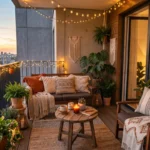
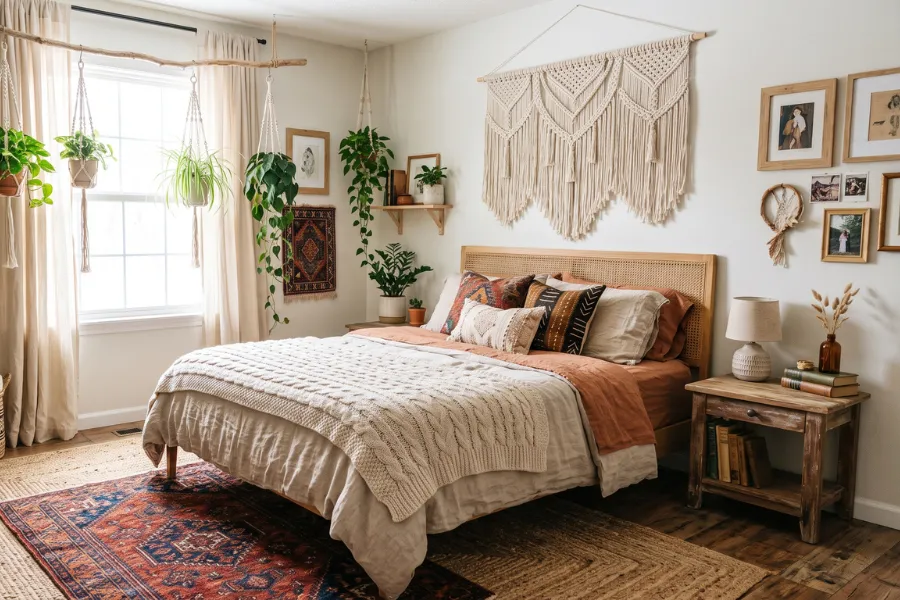
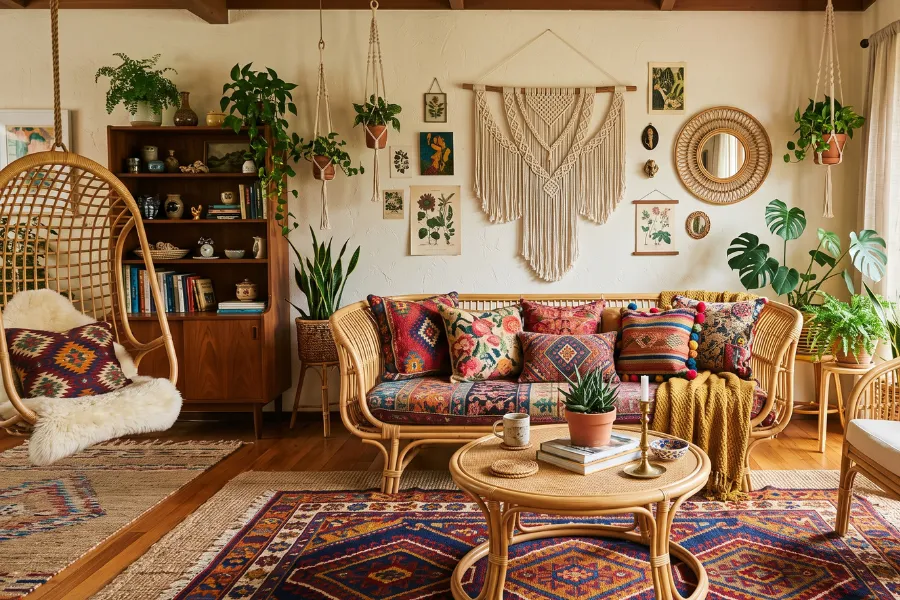
Boho style is bold, colorful, and free-spirited. It mixes patterns, textures, and cultures freely. There are no strict rules here. Layered rugs and hanging plants are common features. Furniture often looks collected over time. This style suits creative, relaxed personalities. Boho spaces often include handmade or thrifted items. Global influences, like Moroccan rugs or Indian textiles, add character. This style celebrates individuality over strict rules.
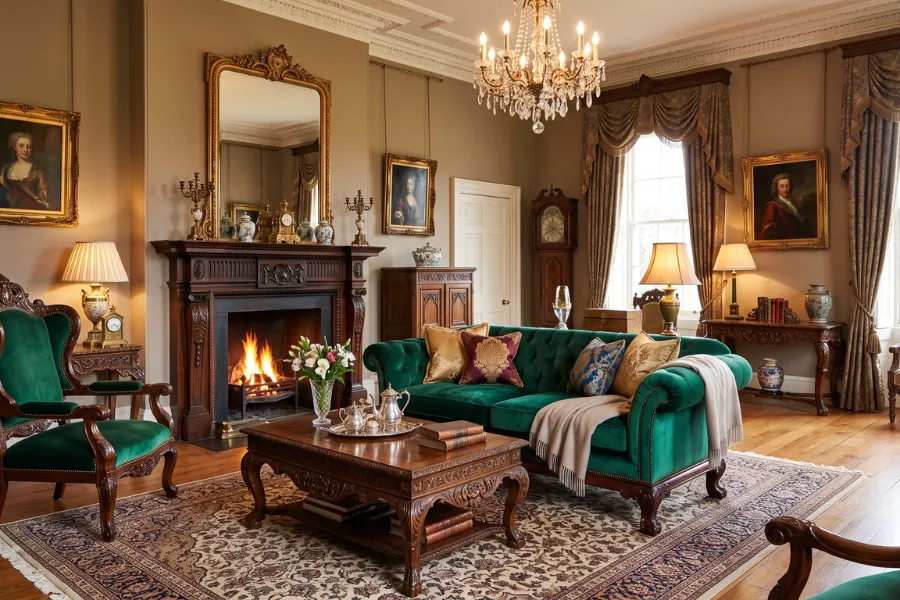
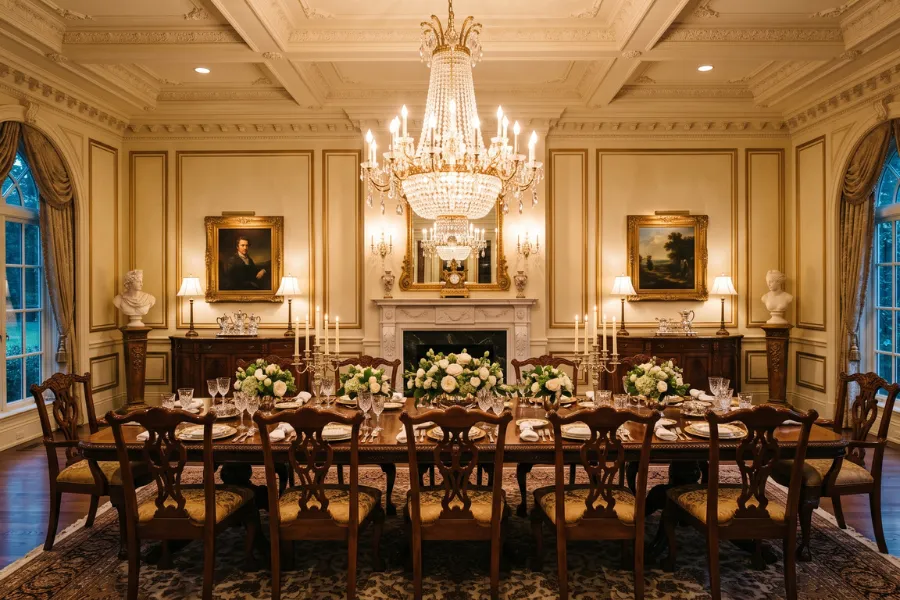
Traditional design draws from classic European decor. Rich wood tones and detailed furniture stand out. Symmetry plays a key role in room layout. Fabrics like velvet and silk add elegance. Colors tend to be deep and warm. This style suits formal, timeless homes. Traditional interiors often feature ornate details. Crown molding, carved furniture, and classic patterns are common. This style works well for those who love heritage and history.
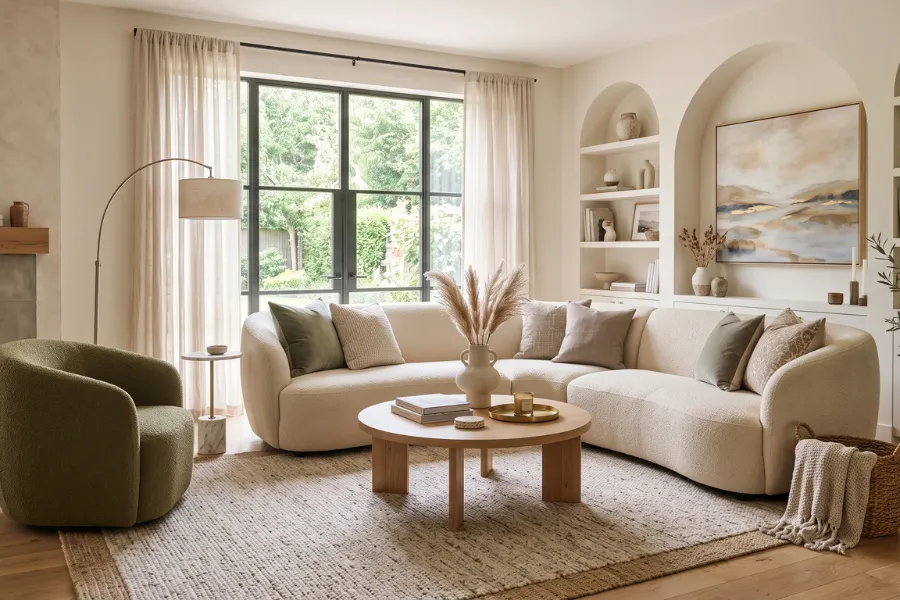
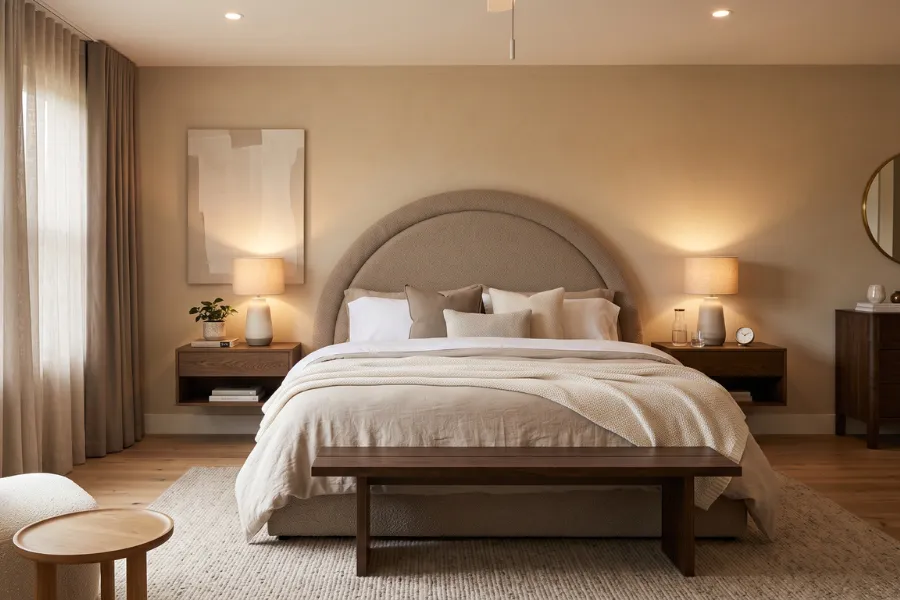
Contemporary design changes with current trends. It borrows ideas from many styles at once. Right now, it favors curved furniture and soft tones. Unlike modern style, it’s less fixed in structure. It evolves as tastes shift over time. This makes it flexible and always fresh. Contemporary spaces often mix textures boldly. A sleek sofa might sit next to a woven rug. This blend keeps the space feeling current and dynamic.
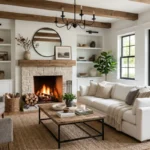
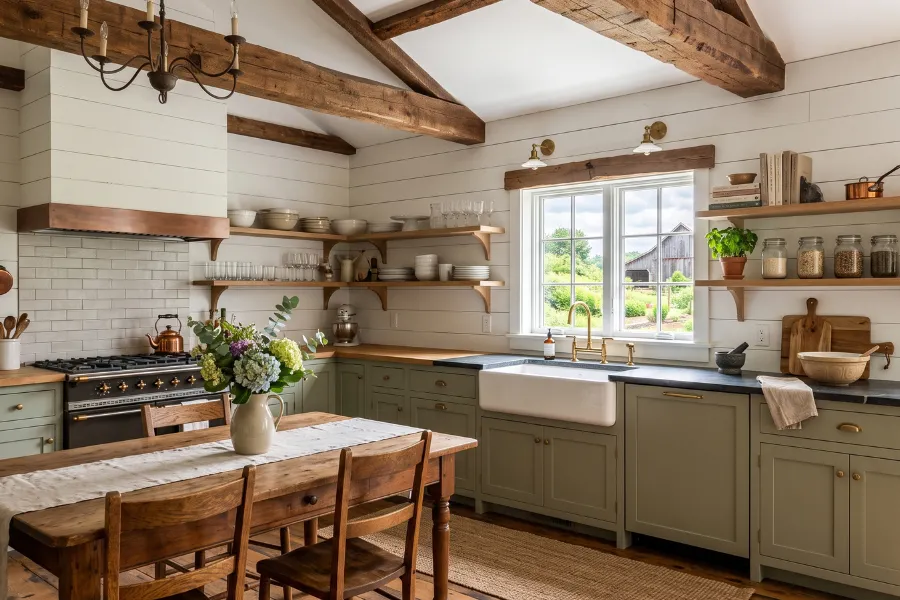
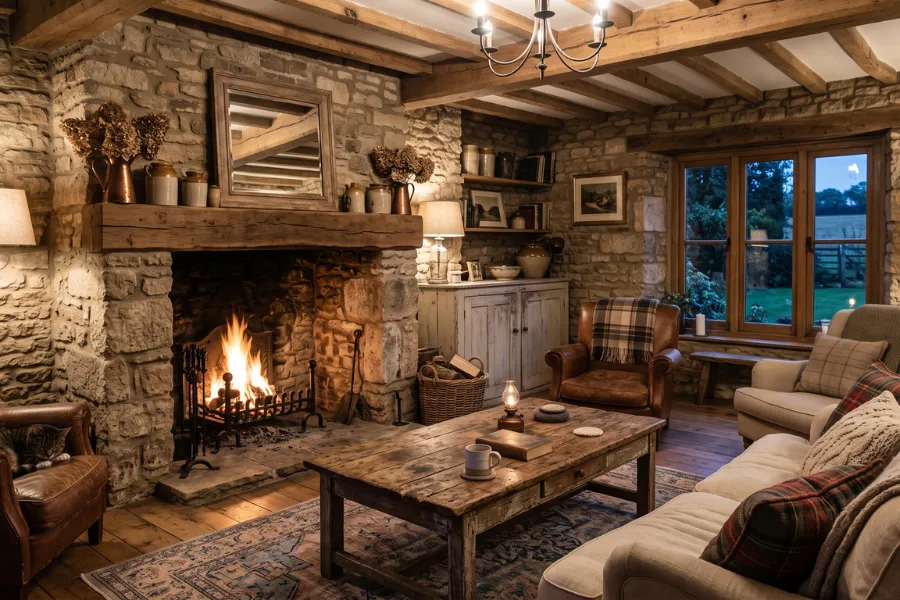
Farmhouse style feels cozy and countryside-inspired. It uses natural wood, stone, and neutral colors. Vintage touches add character throughout. Shiplap walls and open shelving are common. Furniture often looks handmade or aged. This style suits homes that want warmth and simplicity. Farmhouse interiors also embrace imperfection. Distressed wood and worn textures are welcomed, not hidden. This creates a lived-in, welcoming atmosphere.
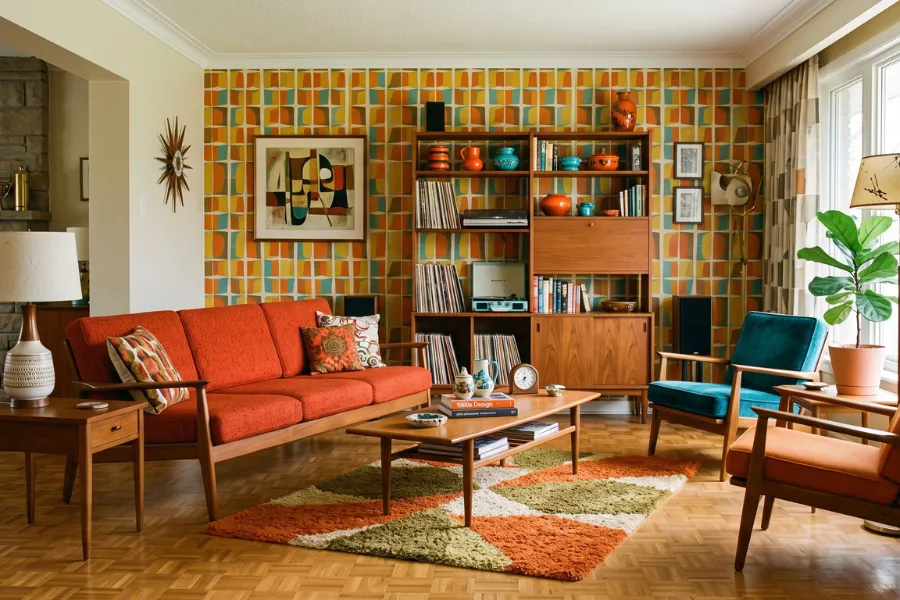
This style comes from the 1950s and 60s design era. It features clean lines, organic curves, and bold accent colors. Wood tones like teak and walnut are popular choices. Furniture legs are often tapered and thin. Function meets art in every piece. This style remains popular for its timeless, retro charm.
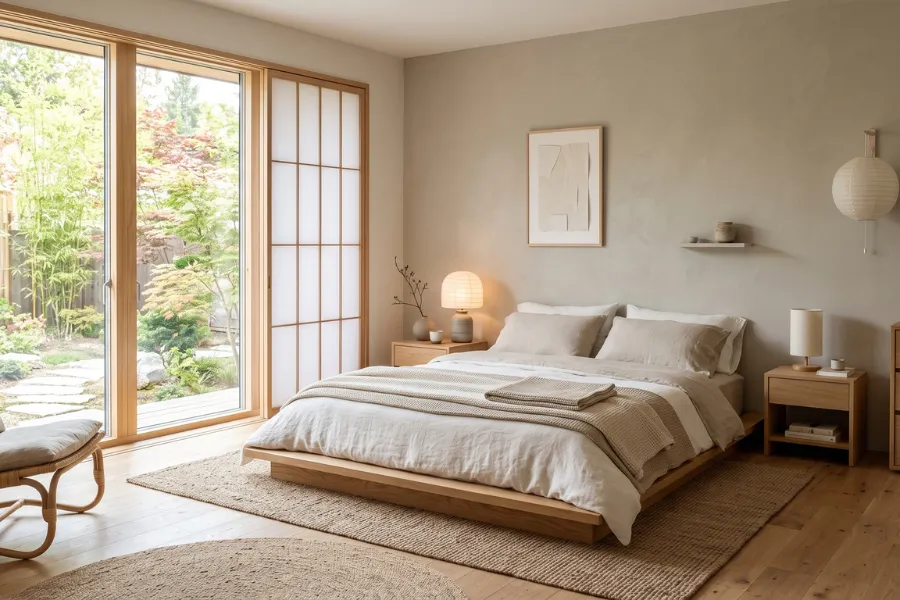
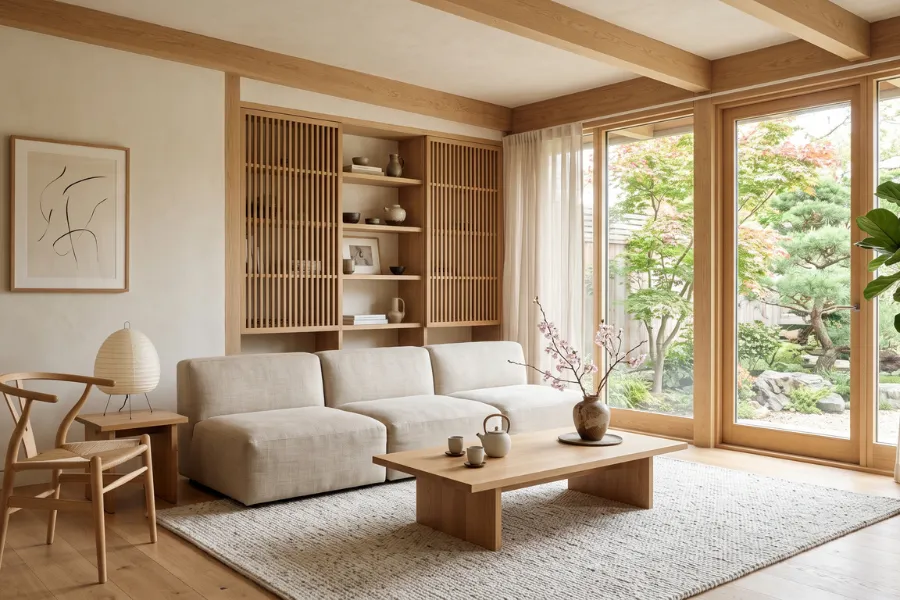
Japandi blends Japanese minimalism with Scandinavian warmth. It uses natural materials and a calm, neutral palette. Function and simplicity guide every design choice. This style avoids clutter completely. Furniture is low, simple, and often handcrafted. Japandi homes feel peaceful, balanced, and intentional.
Start by thinking about your daily lifestyle. Do you love hosting guests, or prefer quiet evenings? Your habits should guide your décor choices. Next, consider your home’s natural light and layout. Small spaces often work better with minimalist or Scandinavian looks. Larger homes can handle bolder, traditional themes. Also, think about long-term appeal. Trends change, but your comfort shouldn’t. Pick elements that still feel right five years from now.
Finally, set a realistic budget. Some styles, like industrial, use affordable raw materials. Others, like traditional design, may cost more upfront. You can also create mood boards before deciding. Collect images, fabric swatches, and paint samples. This helps visualize how a style will feel in real life. Don’t forget to consider your climate too. Warm, sunny regions often suit lighter, airy styles. Cooler climates may benefit from cozier, textured looks.
Color palette plays a huge role in any style. Neutral tones suit modern and minimalist spaces well. Warm, earthy tones fit rustic and bohemian interiors better. Materials also define the mood of a room. Wood adds warmth, while metal adds an edge. Combining a few key materials creates balance without visual chaos. Texture matters just as much as color. Soft textiles, like wool or linen, add comfort. Hard surfaces, like stone or concrete, add structure and contrast.
Not every room needs the exact same style. Living rooms often set the overall tone. Bedrooms can feel softer and more personal. Kitchens usually benefit from practical, durable designs. Industrial or farmhouse styles work well here. Bathrooms can experiment with bolder tiles or fixtures. Home offices often suit minimalist or Scandinavian looks. These styles reduce distractions and support focus. Choosing wisely for each room keeps your whole home cohesive.
Many homeowners mix too many styles at once. This creates a confusing, unbalanced look. Instead, pick one main style and blend in small accents. Another mistake is ignoring room function. A stylish chair means little if it’s uncomfortable. Always balance beauty with everyday use.
People also forget about lighting. Even great furniture looks dull under poor lighting. Natural and layered lighting can transform any room instantly. Lastly, avoid copying trends blindly. Choose pieces that reflect your personality. Your home should feel authentic, not staged. Overspending early is another common trap. Start with a few key pieces first. Build the rest of the room gradually over time.
Sustainable materials are gaining popularity worldwide. Homeowners now prefer eco-friendly wood, bamboo, and recycled fabrics. This shift supports both style and the environment. Curved furniture is also trending in contemporary spaces. Soft edges feel more welcoming than sharp corners. This trend pairs well with warm, earthy tones. Smart home technology continues to blend into design. Lighting, temperature, and security systems now look seamless. This makes homes both stylish and functional.
Biophilic design, which brings nature indoors, is rising too. Indoor plants, natural light, and organic textures support wellbeing. This approach connects design with mental health benefits. Multi-functional furniture is also on the rise. Small spaces now demand smarter, flexible solutions. This trend supports modern, compact urban living.
Understanding the best interior design styles helps you build a home you truly love. From minimalist calm to bohemian energy, there’s a style for every personality. The key is choosing one that matches your lifestyle and space. Take your time exploring these options. Mix in personal touches along the way. With the right approach, your home can feel both beautiful and authentic for years to come.
Q1: What is the most popular interior design style right now?
Modern and Scandinavian styles remain highly popular. Both offer clean, functional, and calming spaces.
Q2: Can I mix two interior design styles together?
Yes, but choose one dominant style first. Then add small accents from a second style for balance.
Q3: Which design style works best for small homes?
Minimalist and Scandinavian styles work well in small spaces. They reduce clutter and use light colors to open up rooms.
Q4: Is industrial style expensive to achieve?
Not necessarily. Many industrial elements use raw, affordable materials. Thrifted or vintage furniture also fits this look well.
Q5: How do I know which style suits my personality?
Think about colors and textures you’re naturally drawn to. Your existing wardrobe or favorite spaces often reveal your true style preference.
Q6: What is Japandi style?
Japandi combines Japanese minimalism with Scandinavian coziness. It focuses on natural materials, calm tones, and simple, functional furniture.